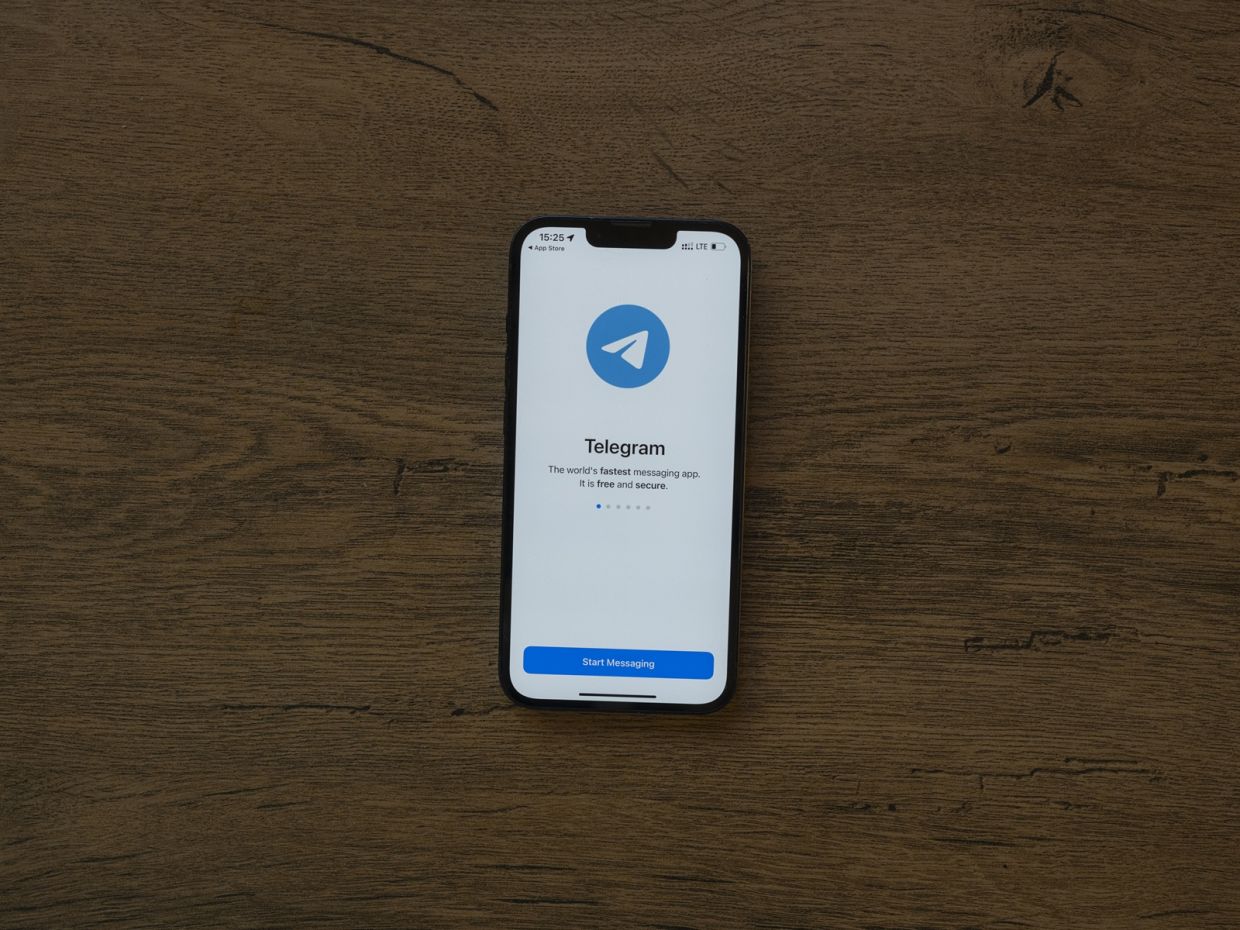
Telegram has emerged as one of the most contentious digital platforms of our era, caught between its reputation as a refuge for political activists and persecuted minorities, and mounting accusations that it has become a haven for criminals, extremists, and fraudsters. This week, India temporarily banned the app until June 22 after discovering that Telegram channels had been peddling fraudulent copies of leaked medical entrance exam questions to desperate candidates preparing for the National Medical College Entrance Test. The latest action underscores a broader pattern: governments worldwide are increasingly willing to take drastic measures against a platform that once symbolised digital freedom, viewing it instead as a threat to public order and national security.
India's decision carries particular weight given that the country represents one of Telegram's most significant markets, with more than 150 million active users navigating the app's encrypted channels daily. The controversy erupted after millions of medical college applicants sat for their entrance examination in May, only to learn that many had been defrauded by scammers operating openly on Telegram. The National Testing Agency determined that fake exam questions had been sold to candidates and their families through dedicated channels, prompting authorities to invalidate all May scores and order a complete retest scheduled for Sunday. The decision has triggered substantial backlash from India's student community, with young people increasingly distrustful of government management of one of the nation's most high-stakes competitive exams. Pavel Durov, Telegram's founder, responded to the ban by arguing on platform X that such actions punish ordinary users while leaving the actual fraudsters unpunished. He pointed out that Telegram had proactively removed hundreds of channels related to exam materials and associated scams operating within India.
The India situation merely represents the latest chapter in Telegram's troubled relationship with global regulators. Russia, Durov's birthplace, provides an instructive historical example of how this confrontation has evolved. In 2018, Russian courts moved to block Telegram after the app refused to grant Russia's security services access to users' encrypted communications—a fundamental incompatibility between Durov's privacy-first architecture and the Kremlin's surveillance imperatives. Durov had already departed Russia in 2014, and he maintained that Telegram's encryption infrastructure rendered compliance technically impossible. The initial ban encountered significant implementation obstacles and created an embarrassing situation for Moscow, which relied extensively on Telegram for internal government communications. By 2020, Russia quietly lifted the prohibition after Telegram allegedly committed to intensifying efforts against extremist content. However, this apparent détente proved illusory. As Russia's invasion of Ukraine escalated, Moscow renewed its assault on Telegram, with state communications regulators accusing the platform of inadequately combating fraud, protecting personal data, and preventing terrorist and criminal usage. The app is now effectively inaccessible throughout much of Russia, though not before Durov charged that the government was deliberately throttling Telegram to force citizens toward domestic alternatives he characterised as inherently designed for surveillance and political suppression.
The Ukrainian context reveals Telegram's paradoxical role in the ongoing conflict. The platform has functioned as an essential information lifeline for millions of Ukrainians, enabling rapid warnings about impending Russian aerial attacks and facilitating the coordination of humanitarian assistance networks. Yet Ukrainian authorities grew increasingly anxious about Telegram serving simultaneously as a vector for Russian disinformation and espionage operations. In response, Ukrainian officials in 2024 imposed restrictions prohibiting military personnel, government administrators, and workers in essential infrastructure from accessing Telegram on government-issued devices. Some policymakers proposed more ambitious regulatory frameworks that would mandate Telegram to identify the individuals behind large anonymous channels—a requirement that directly contradicts the platform's foundational design philosophy.
Europe has adopted similarly stringent approaches. Norway's justice ministry issued formal guidance in 2023 instructing state officials to eliminate Telegram and TikTok from their work devices, characterising both applications as potential national security vulnerabilities. France pursued more aggressive enforcement mechanisms, with authorities arresting Durov upon his arrival at a Paris airport in 2024 and filing charges encompassing a sweeping array of criminal failures to prevent wrongdoing on the platform. The charges connected Telegram to multiple serious French criminal investigations involving child sexual exploitation, narcotics trafficking, and online hate crimes. Travel restrictions were initially imposed on Durov, confining him to France, though he subsequently obtained temporary permission to depart and has since established residence in Dubai. Telegram's corporate response maintained that the company operates consistently with European Union legislation and that attributing platform abuse to either the platform itself or its ownership represents a logical and legal absurdity.
Brazil provides another instructive precedent demonstrating how judicial systems have weaponised platform restrictions. In 2022, Brazil's Supreme Court imposed a nationwide Telegram prohibition immediately preceding a presidential election, justifying the action on grounds that Telegram had failed to execute court orders against accounts operated by a Jair Bolsonaro supporter under investigation for distributing electoral disinformation and issuing threats against justices. Durov subsequently apologised, attributing Telegram's non-compliance to the company's failure to receive court communications through email channels. The ban remained in force only until Telegram demonstrated compliance with judicial directives. However, another Brazilian jurist in 2023 mandated a second nationwide block after Telegram allegedly declined to comply with orders demanding complete user data originating from neo-Nazi group chats. Telegram informed police that the offending groups had already been eliminated and that data recovery proved technically infeasible. An appeals tribunal subsequently suspended that second ban but upheld substantial financial penalties against the company.
These accumulating restrictions reflect a fundamental collision between Telegram's technical architecture and the regulatory expectations of increasingly interventionist governments. The platform's uncompromising encryption systems prevent Telegram from accessing user communications, fundamentally constraining the company's ability to comply with surveillance demands or investigate suspected criminal activity. For governments accustomed to compelling technology companies to provide backdoor access to user data, this architectural immutability represents intolerable defiance. For privacy advocates and persecuted individuals, it represents essential protection against authoritarian overreach. Neither constituency shows signs of compromise.
The timing of India's ban carries significance beyond the immediate medical exam controversy. It signals that even democracies experiencing robust technology sectors increasingly view Telegram as incompatible with their regulatory ambitions. India's decision to act unilaterally, without the collaborative international coordination that typically accompanies major platform enforcement actions, suggests growing confidence among governments that Telegram can be pressured through sequential unilateral bans. Each restriction creates precedent and normative acceptance for successor restrictions, gradually eroding Telegram's global operational footprint.
For Malaysia and broader Southeast Asia, these developments carry important implications. The region has witnessed increasing government interest in expanding surveillance and content control capabilities over digital communications. Malaysia's own regulatory framework, including provisions under the Communications and Multimedia Act and the Personal Data Protection Act, increasingly resembles the architectures that countries like Russia, France, and India are using to restrict Telegram. Should Malaysia's authorities determine that Telegram's encryption protocols represent unacceptable impediments to law enforcement or national security operations, policymakers would discover substantial international precedent supporting restrictive action. The platform's appeal within Malaysia's activist, journalistic, and business communities currently provides political insulation, but that protection could erode rapidly if security incidents were attributed to Telegram-facilitated communications.
Durov's Dubai residence acquisition merits consideration as well, suggesting the Telegram founder has positioned himself in a jurisdiction deliberately selected to provide distance from Western regulatory apparatus while maintaining connectivity to global operations. This geographic strategy reflects the reality that Telegram has become fundamentally entangled with geopolitical rivalries between surveillance-oriented states and privacy-protection advocates. No purely technical solution can resolve this conflict because it originates not in engineering limitations but in fundamentally incompatible philosophical visions regarding the appropriate balance between privacy, security, and state authority.
The broader pattern emerging from these sequential enforcement actions suggests we are witnessing the gradual normalisation of platform restrictions as standard regulatory practice. What once appeared exceptional—banning a globally significant messaging application—has become routine. Each successive restriction reduces the political and technical barriers to subsequent actions, creating a ratcheting effect toward tighter control. Telegram may ultimately survive these pressures through market demand and user loyalty, particularly in regions where privacy protection addresses genuine security anxieties. Alternatively, the accumulation of jurisdictional restrictions could transform the platform into a fragmented service unavailable in major markets, forcing users toward government-compliant alternatives or fostering balkanisation of the global digital commons.

