A fatal road accident involving a Malaysian Immigration Department (JIM) lorry on Jalan Sultan Ismail in Kuala Lumpur claimed three lives from a single family in the early hours of Monday, with authorities completing post-mortem procedures and releasing the remains by late afternoon. The victims—Shaik Mohd Firdaus Shaikh Yahya, 53, and his two daughters Siti Nor Sazlin, 25, and Siti Darwisyah Auni, 12—were pronounced dead at the scene, marking a significant tragedy that has renewed scrutiny on road safety protocols involving government vehicles engaged in operational missions.
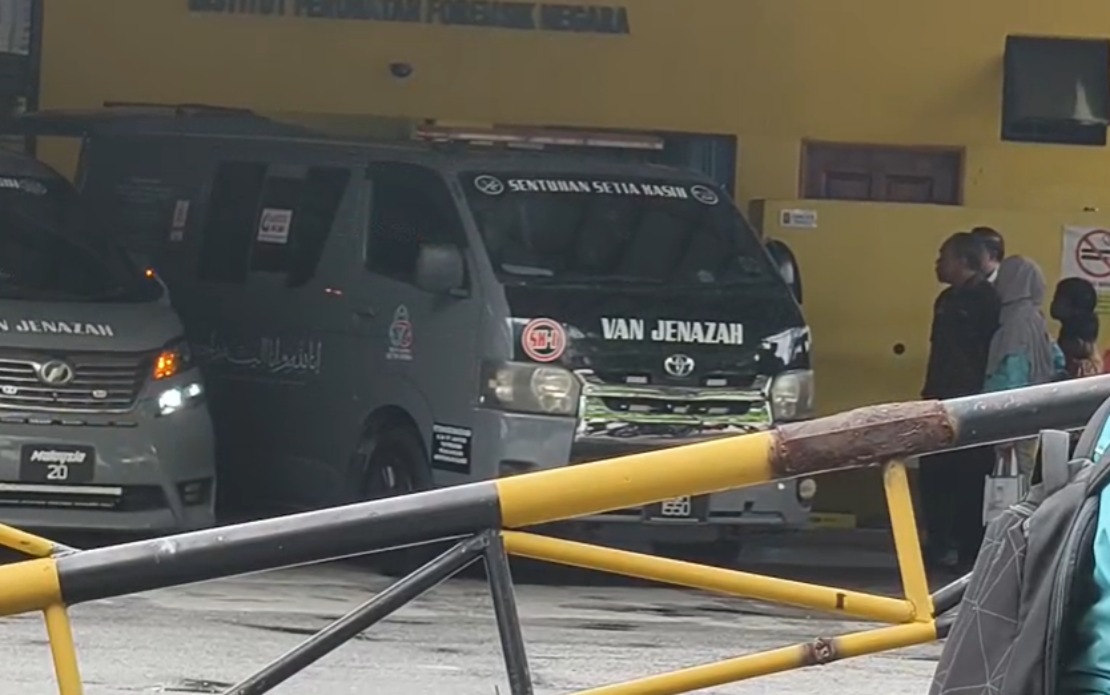
The remains were discharged from the National Institute of Forensic Medicine (IPFN) at Kuala Lumpur Hospital at approximately 5.45 pm, after post-mortem examinations were concluded. Three separate hearses transported the bodies to the next of kin, initiating funeral arrangements according to Islamic observances. The dignified transfer reflected coordination between medical authorities and family representatives, allowing the bereaved household to prepare for final rites in accordance with their faith traditions.
Following Islamic burial customs, the three victims' remains are scheduled to be brought to Jamiul Ehsan Mosque on Jalan Pahang for ritual bathing, shrouding, and funeral prayers. This preliminary ceremony will precede the family's intended journey to their final resting place at Kampung Air Hitam Labu Muslim Cemetery in Kampar, Perak. The choice of burial location in the victim's home state reflects common practice among Malaysian Muslim families, allowing extended relatives and community members to participate in the interment process.
The collision occurred at approximately 1 am at the Maju Junction intersection when the empty JIM Black Maria lorry, responding to an operational tasking, allegedly ran a red traffic signal while proceeding toward Chow Kit for a planned enforcement raid targeting undocumented migrants. The lorry was operating with its warning beacon and audible siren activated, typical protocols for vehicles transporting detainees or conducting urgent enforcement operations. However, the combination of speed, priority signalling, and traffic intersection complexity created a hazardous convergence.
A Proton Saga automobile, lawfully traversing the same intersection with a green traffic signal, collided head-on with the JIM lorry when the larger vehicle failed to yield. The force of impact proved catastrophic—the lorry lost directional control, skidded across the roadway, and subsequently struck four pedestrians who were in the vicinity. The uncontrolled vehicle also collided with an Inokom Matrix multi-purpose vehicle, multiplying the number of affected parties and complicating the emergency response landscape.
While three family members perished in the immediate aftermath, another individual sustained severe injuries requiring hospitalisation. The comprehensive scale of the incident—involving pedestrians, two motor vehicles, and multiple casualty categories—underscores the vulnerability of road users when large government vehicles operate under emergency protocols in urban environments during low-traffic nocturnal periods. The accident site's intersection configuration at Maju Junction, a busy commercial zone, presented additional complexity given the time of day and prevailing traffic patterns.
Investigators have classified the incident under Section 41(1) of the Road Transport Act 1987, which addresses vehicle operations and collision circumstances. This legislative framework will guide the formal inquiry into whether operational procedures were correctly followed, whether the lorry operator adhered to safe driving standards despite emergency status, and whether infrastructure or signal timing contributed to the confluence of events. The scope of investigation typically encompasses driver training records, vehicle maintenance schedules, and compliance with road regulations even when emergency lighting and audio signals are deployed.
The tragedy raises persistent questions about the balance between enforcement operational urgency and public safety obligations. Government agencies, particularly those engaged in immigration enforcement, operate under time-sensitive mandates to execute raids and detainment operations. Yet this operational imperative must be reconciled with the fundamental responsibility to protect civilian populations and comply with traffic regulations. The incident will likely prompt internal reviews within the Immigration Department regarding vehicle operation protocols, particularly for nocturnal enforcement missions through congested urban zones.
For Malaysian and Southeast Asian communities, the incident highlights broader road safety vulnerabilities in metropolitan areas where emergency vehicle operations intersect with civilian traffic patterns. The loss of a complete family nucleus in a single collision represents the devastating human cost of traffic mishaps, reverberating through extended kinship networks and community circles. Such tragedies often catalyse renewed advocacy for enhanced driver training, improved intersection safety mechanisms, and clearer protocols for emergency vehicle operations in civilian-populated zones during low-visibility periods.

