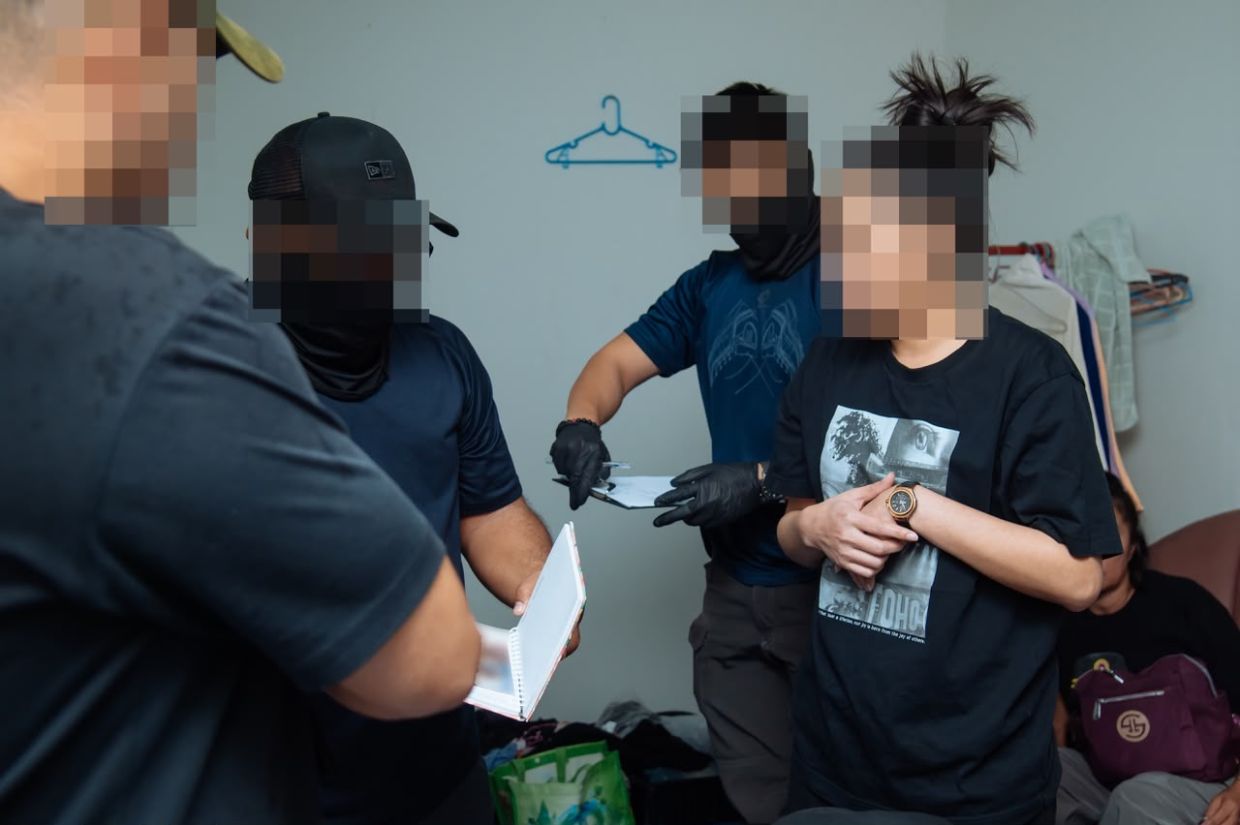
Three foreign women have been taken into custody following a targeted police operation in the Jerudong district of Brunei, with authorities alleging their involvement in prostitution networks operating from a residential property. The raid, conducted at a house in Kampong Selayun, represents the latest enforcement action by the Royal Brunei Police Force as it maintains its commitment to combating vice-related offences across the sultanate.
The operation was executed by the Gambling Suppression and Vice Prevention Investigation Unit, a specialist division within the Criminal Investigation Department of the RBPF. This dedicated unit focuses specifically on activities that contravene the nation's strict moral and ethical standards, reflecting Brunei's longstanding commitment to enforcing social regulations aligned with Islamic principles. The involvement of this specialised team underscores the structured approach authorities take toward investigating suspected moral transgressions.
The three detainees, all foreign nationals, range in age from 37 to 49 years old. Their arrest follows investigative work that led authorities to the residential address in Kampong Selayun. Upon apprehension, the women were transported to the CID headquarters to assist with further questioning while police compiled evidence gathered during the search operation. The seizure of items from the premises suggests investigators have physical evidence they believe substantiates the allegations.
The investigation operates under Section 294A of the Penal Code, which addresses offences of a grossly indecent nature and immoral conduct. This legal framework reflects Brunei's comprehensive regulatory approach to activities deemed incompatible with the nation's social values. The specific charging provision indicates that authorities have sufficient grounds to proceed with a formal investigation rather than treating the matter as preliminary enquiry. Such provisions carry significant penalties within the Bruneian legal system, creating strong deterrent effects.
Brunei's approach to regulating vice activities reflects the sultanate's position as a conservative Islamic nation where enforcement of moral standards carries substantial weight in policing priorities. Unlike neighbouring Malaysia and other regional jurisdictions, Brunei maintains particularly stringent regulations, with Section 294A forming part of a broader legislative framework designed to prevent activities deemed exploitative or immoral. The application of this statute demonstrates that authorities view prostitution-related offences with considerable seriousness.
The timing of this raid occurs within a broader regional context where Southeast Asian nations grapple with cross-border human trafficking and exploitation networks. The involvement of foreign nationals in this case reflects patterns seen across the region, where trafficking victims and migrant workers sometimes find themselves coerced into or trapped within illicit service industries. Intelligence-driven operations such as this one help law enforcement understand how such networks function and establish themselves within communities.
Brunei's police force has consistently prioritised vice suppression as part of its community policing strategy. The RBPF has publicly reaffirmed its commitment to intensifying enforcement efforts against prostitution and related immoral activities. This statement reflects a strategic emphasis on preventive policing, suggesting authorities intend to maintain elevated vigilance rather than treating individual arrests as isolated incidents. The messaging also serves to deter potential operators who might consider establishing similar operations.
The seizure of items during the operation provides authorities with tangible evidence to support their allegations. These materials, whatever their nature, will be critical in establishing that commercial sexual services were being offered from the premises. Malaysian readers familiar with similar enforcement operations in their own country will recognise the standard procedure of gathering physical evidence alongside witness statements and intelligence to build comprehensive cases.
For the regional community, particularly those concerned with labour trafficking and exploitation, this case illustrates how law enforcement agencies detect and respond to suspected illicit activities. The arrest of foreign nationals raises questions about recruitment patterns, how individuals are brought into such situations, and whether victim support mechanisms are activated alongside criminal investigation procedures. Whether these individuals are treated as suspects or potential victims often depends on evidence of coercion versus voluntary participation.
The broader implications for Southeast Asia extend to how nations coordinate in addressing transnational vice networks. While Brunei operates independently, coordination with regional neighbours through ASEAN frameworks can help disrupt criminal operations that span multiple jurisdictions. Intelligence sharing regarding trafficking routes and recruitment methods strengthens collective capacity to protect vulnerable populations.
Brunei's enforcement action demonstrates that smaller regional nations maintain serious commitment to moral governance despite globalisation pressures and cross-border criminal activity. The specialised police unit involved suggests institutional sophistication in investigating these offences, contrasting with assumptions that vice enforcement is reactive rather than strategically resourced. This proactive stance shapes the operational environment for potential offenders considering whether such activities remain viable.
Moving forward, the investigation outcome will provide insights into networks potentially operating across Southeast Asia. Whether the arrested women are treated as perpetrators, victims, or both will signal important information about Brunei's approach to balancing law enforcement with victim protection. The case will likely inform how regional authorities perceive vulnerability factors and criminal recruitment patterns affecting foreign nationals in the sultanate.

