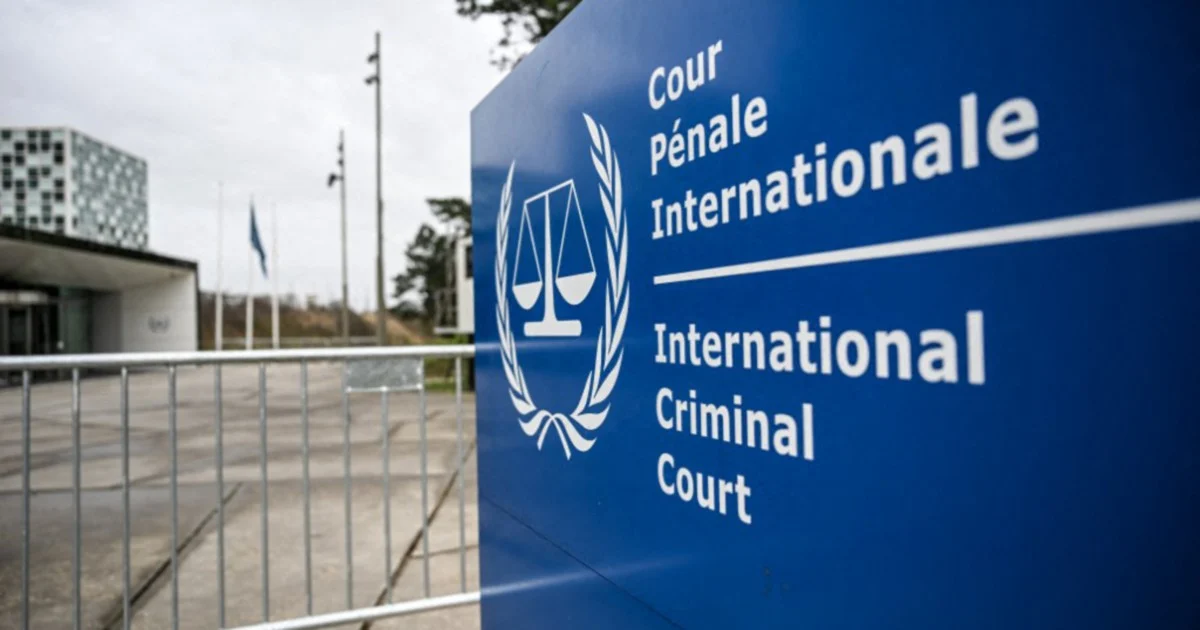
Three sitting judges from the International Criminal Court have launched legal proceedings against President Donald Trump and several US administration officials, contending that sanctions directed at them lack legal foundation under American law. The action, filed in New York federal court this week, represents an escalation in tensions between Washington and the global justice institution over the scope of presidential authority to penalise foreign officials.
The dispute centres on whether the United States possesses constitutional and statutory authority to impose targeted sanctions against ICC personnel based solely on their judicial roles. The judges argue that the measures violate their rights to due process and exceed the legal framework governing presidential sanctions authority. This legal confrontation underscores a broader friction between the Trump administration and the ICC over investigations that have touched upon American interests and allies.
The International Criminal Court, established by the Rome Statute in 1998, operates as an independent judicial body designed to prosecute individuals for mass atrocities when national courts are unwilling or unable to act. Based in The Hague, the institution has investigated conflicts across Africa, Asia, Eastern Europe, and the Middle East. Malaysia is a state party to the Rome Statute and recognises the court's jurisdiction in principle, making developments affecting the ICC's integrity relevant to regional stakeholders who support multilateral justice mechanisms.
Previous US administrations have clashed with the ICC over its investigations. The Trump administration has previously targeted ICC officials through sanctions, citing concerns about the court's investigations into American allies and service members. These actions reflect deep scepticism in Washington about the court's independence and its mandate to investigate situations where US allies face potential prosecution.
The judges' lawsuit characterises the sanctions as arbitrary and punitive measures designed to coerce the court's investigative and prosecutorial functions. They contend that targeting judicial officers for exercising their official duties violates fundamental principles of judicial independence that underpin the rule of law globally. The case raises consequential questions about whether individual nations can effectively weaponise economic sanctions against international institutions and their officials.
From a Southeast Asian perspective, this dispute carries significance beyond the immediate parties involved. Regional states have increasingly engaged with the ICC framework, either as state parties seeking accountability for atrocities or as nations where investigations have been conducted. Thailand, Cambodia, and the Philippines have complex relationships with the court, and any precedent weakening its institutional capacity to function independently could reshape how justice mechanisms operate in Asia.
The lawsuit also illuminates tensions between national sovereignty and international law. The Trump administration's position reflects a longstanding American scepticism toward institutions that might constrain US foreign policy flexibility or expose American officials to international scrutiny. Conversely, the judges argue that preserving the ICC's operational independence is essential for maintaining credible international accountability mechanisms that benefit all nations, not merely powerful ones.
Legal experts note that such litigation between nations and international court officials remains uncommon, partly because most countries have not pursued such aggressive sanctions strategies against personnel. The case could establish precedents affecting how international institutions are protected from political interference by member states, potentially influencing future disputes between the United Nations, World Health Organization, and other multilateral bodies with individual nations.
The judges seek declaratory relief confirming that the sanctions violate federal law and injunctive relief preventing their enforcement. They also pursue damages for harms incurred, including restrictions on financial accounts and travel limitations. The court's response will likely involve extensive litigation over presidential authority, statutory interpretation, and international law principles.
For Malaysia and other Southeast Asian nations invested in functioning international institutions, the outcome carries implications for the credibility and independence of global governance structures. Should the judges prevail, it would reinforce protections for international officials and institutional autonomy. Conversely, should courts uphold broad presidential sanctions authority, it could embolden other nations to adopt similar tactics against institutions perceived as antagonistic to national interests.
The case reflects broader geopolitical repositioning regarding multilateralism. As powerful nations increasingly challenge international institutions, smaller and medium powers like those in ASEAN face pressure to choose between defending institutional frameworks they depend upon for justice and accountability, versus accommodating great power preferences. This lawsuit thus serves as a proxy for larger debates about whether international law can constrain powerful states or remains subordinate to their strategic preferences.
The dispute is likely to proceed through federal courts over an extended period, potentially reaching appellate levels where judges will grapple with questions about executive power limits and international law's status within the American legal system. Whatever the outcome, the case already signals that tensions between nationalist politics and global justice institutions will remain contested terrain throughout this decade, with consequences resonating across all regions served by the ICC.

