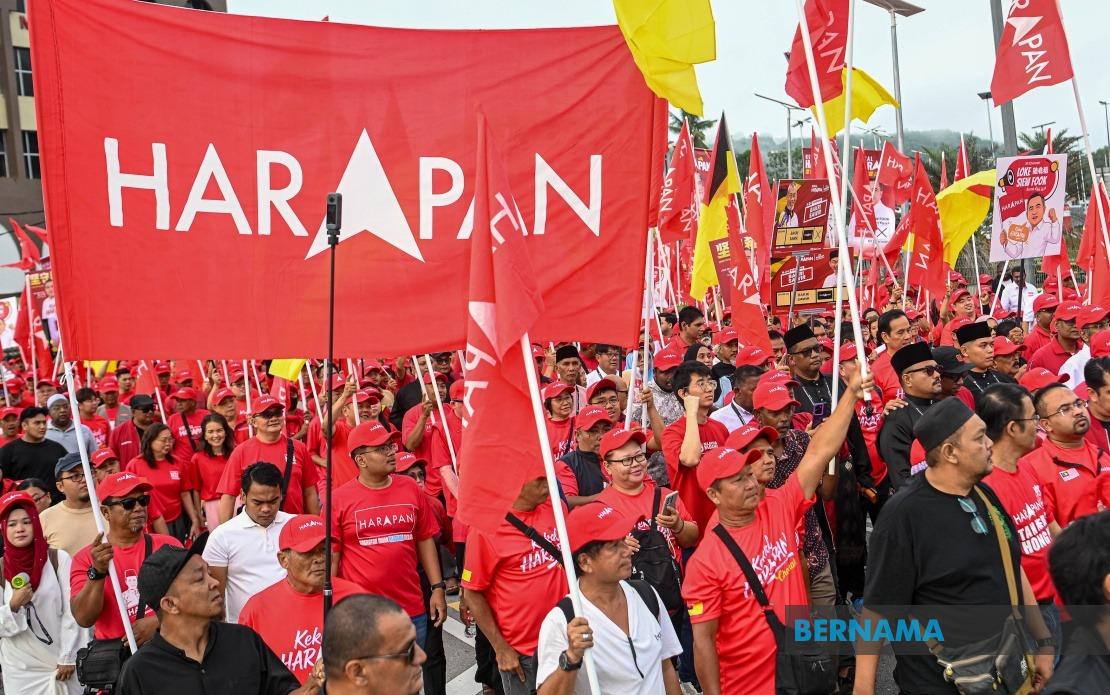
The 16th Negeri Sembilan State Election is shaping up to deliver competitive multi-candidate races across three key constituencies, with nomination papers now formally closed and the campaign trail set to intensify ahead of voting in early August. All three seats—Pertang, Klawang, and Sungai Lui—will see three-way contests involving candidates from Barisan Nasional, Pakatan Harapan, and Bersatu, creating complex electoral dynamics that could reshape representation in the state assembly.
Jelebu Parliamentary returning officer Abdul Rahim A Aziz made the announcement on July 18 following the conclusion of the nomination process at Dewan Besar Kuala Klawang. The three-cornered format introduces unpredictability into contests that might otherwise have been straightforward two-horse races, potentially allowing candidates with consolidated but minority support to secure victory through vote-splitting among rivals.
In Pertang, the race pits incumbent Datuk Seri Jalaluddin Alias of Barisan Nasional against Mohd Umry Abdul Khois representing Pakatan Harapan and Mohd Faizal Fadli Mohd Idrus of Bersatu. Jalaluddin enters the contest as the defending member, having won the previous state election with 5,634 votes—a commanding margin of 2,844 votes over Amirudin Hasan of Perikatan Nasional. His ability to retain his seat amid the three-way competition will depend on whether his previous support base remains cohesive or fragments between the PH and Bersatu challengers.
The Sungai Lui contest carries its own narrative intrigue, featuring candidates with shared history. Datuk Mohd Razi Mohd Ali of Barisan Nasional faces challenges from Zainal Fikri Abd Kadir of Pakatan Harapan and Mazrulhisham Abd Mansor of Bersatu—with Razi and Fikri reported to be former schoolmates. Such personal connections sometimes inject local dimensions into state elections, potentially influencing voter sentiment beyond partisan considerations. The dynamics in this seat will offer insights into whether traditional party loyalties or personal rapport shapes electoral outcomes in this particular constituency.
Klawang similarly presents a three-way tussle between incumbent Datuk Bakri Sawir of Pakatan Harapan, Muhammad Adib Musa of Bersatu, and Danni Rais representing Perikatan Nasional. Bakri's incumbency as a PH representative suggests the ruling coalition retains a foothold in the state, though the split opposition between Bersatu and PN could either strengthen or complicate his prospects depending on how opposition votes distribute.
The three-cornered format across these constituencies reflects the fragmented opposition landscape that has characterised Malaysian politics since the 2020 general election. Rather than consolidating into a single alternative force to Barisan Nasional, opposition parties have fielded separate candidates, mirroring national-level tensions between PH and Bersatu that intensified after their 2022 rupture. For Negeri Sembilan voters, this means contests where victory margins could hinge on relatively small vote pluralities rather than clear majorities.
The timing of this state election also occurs within broader uncertainty about Malaysia's electoral calendar and political stability. As a state election in a relatively small state, it typically attracts less national media attention than federal polls, yet results carry symbolic weight for assessing party strength in the peninsula's heartland. Negeri Sembilan's position between the major political power bases of Selangor and Johor makes shifts in its political complexion noteworthy for regional balance calculations.
Election Commission has structured the voting timeline to facilitate participation, scheduling early voting for July 28 and designating August 1 as polling day. This standard two-day framework allows working voters and those with mobility constraints access to the ballot, though the compressed campaign window between nomination closure and voting day—approximately two weeks—leaves limited time for extensive ground mobilisation compared to longer federal election campaigns.
The absence of clear two-cornered contests in these three seats distinguishes this election from previous Negeri Sembilan races where BN and PH typically emerged as the primary contenders. Bersatu's competitive positioning in all three constituencies marks a substantive shift from the state's recent political trajectory, suggesting the party has invested resources and organisational effort into establishing viable candidacies across this subset of seats. Whether this translates into actual electoral gains or represents optimistic overreach will become apparent on August 1.
For Malaysian political observers, these contests serve as a testing ground for coalition dynamics and voter behaviour patterns under fragmented opposition scenarios. Results may offer preliminary indicators regarding whether PH can sustain voter support against Bersatu competition, whether Barisan Nasional retains dominance when facing divided challengers, and whether Perikatan Nasional can establish traction beyond its core constituencies. The cumulative outcome will inform calculations about Negeri Sembilan's political complexion heading into future general elections.

