Timor-Leste President Jose Ramos-Horta brought his five-day special visit to Malaysia to a close on June 17, departing from Kuala Lumpur International Airport Terminal 1 on a Batik Air flight scheduled for 2.15 am. The visit marked a significant diplomatic engagement between the two nations, with the Nobel Peace Prize laureate leading discussions aimed at strengthening bilateral partnerships and advancing regional cooperation in Southeast Asia.
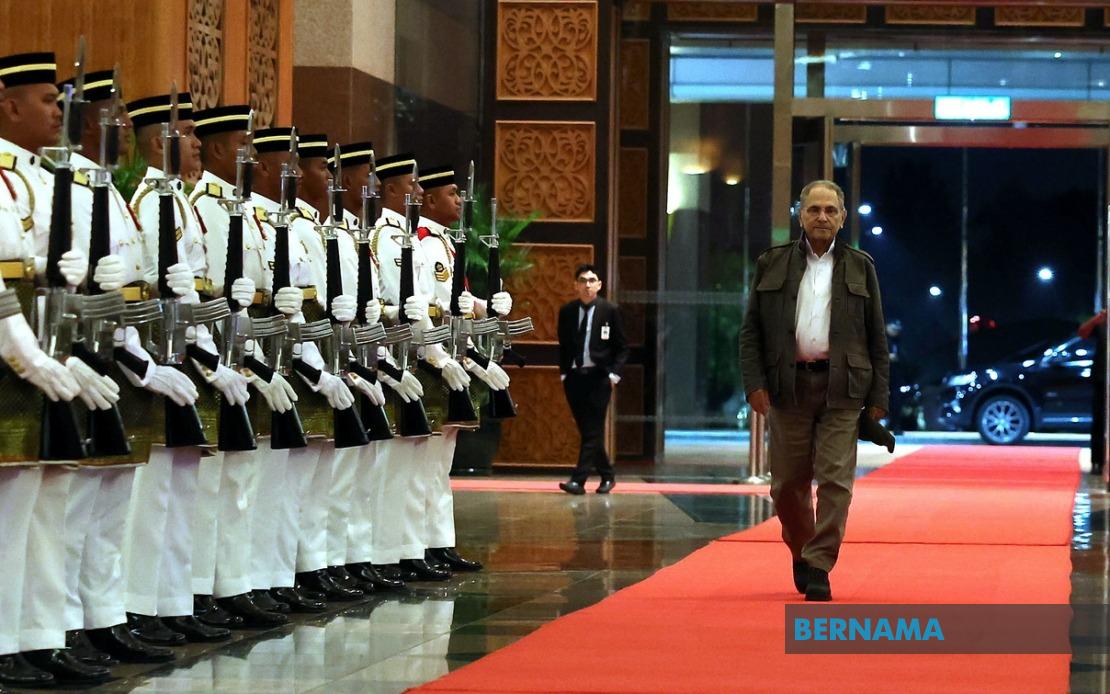
Upon his arrival at the Bunga Raya Complex at KLIA at 1.33 am, the Timor-Leste President received ceremonial honours befitting a visiting head of state. A static Guard of Honour comprising two officers and 26 personnel from the First Battalion Royal Ranger Regiment, under the command of Captain J. Lingesri Rao, was mounted to mark his final moments in Malaysia. The formal protocol underscored the diplomatic importance both nations attach to their relationship.
A defining moment of Ramos-Horta's stay came on June 15 when he participated in a dialogue session themed "A Changing World, Enduring Values." During this forum, he characterised relations between Timor-Leste and Malaysia in glowing terms, describing them as "exceptionally good." His remarks went beyond pleasantries, as he specifically acknowledged Malaysia's demonstrated prowess in three critical domains: maintaining security, strengthening democratic institutions, and achieving economic development—areas where Timor-Leste seeks to learn and improve.
The Timorese leader took the opportunity to express genuine gratitude for Malaysia's consistent support extending back decades. He highlighted Malaysia's crucial backing during Timor-Leste's transition to independence in 2002, and particularly underscored the nation's peacekeeping contributions in 1999 when Timor-Leste was navigating its path to self-determination. Such historical references served to contextualise the depth of bilateral relations beyond current economic or political interests.
Ramos-Horta specifically praised Malaysia's instrumental role in facilitating Timor-Leste's integration into the Association of Southeast Asian Nations. Under Malaysia's chairmanship, the diplomatic groundwork for Timor-Leste's full ASEAN membership was laid, culminating in the country's formal admission as the bloc's 11th member on October 26, 2025. This achievement represents a watershed moment for Timor-Leste, anchoring it firmly within the regional community and opening pathways for enhanced multilateral cooperation.
Looking forward, Ramos-Horta expressed confidence in Timor-Leste's capacity to host the ASEAN summit in 2029. He indicated that infrastructure development and facility upgrades are being expedited to ensure the country meets the standards expected of an ASEAN chair. This commitment signals Timor-Leste's determination to demonstrate its integration into regional structures and its ability to shoulder responsibilities commensurate with ASEAN membership.
On the economic front, Ramos-Horta extended an invitation to Malaysian investors to consider opportunities in Timor-Leste's infrastructure development sector. He presented an attractive investment case, emphasising the country's relatively low debt burden and a robust sovereign wealth fund that provides financial cushion for development projects. Additionally, he noted that multilateral financing institutions stand ready to support infrastructure initiatives, creating a favourable ecosystem for foreign capital deployment. This outreach reflects Timor-Leste's recognition that post-ASEAN accession, economic partnerships with established members like Malaysia are essential for sustainable development.
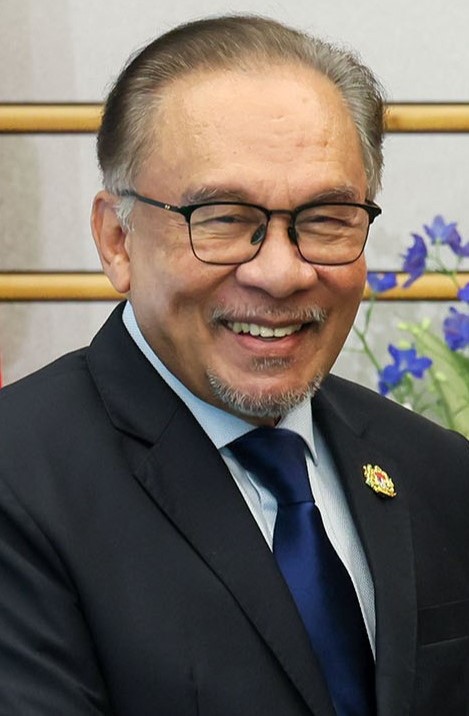
Prime Minister Datuk Seri Anwar Ibrahim hosted Ramos-Horta at the Seri Perdana Complex on the preceding day, underscoring Malaysia's high-level commitment to the visit. During the luncheon, the two leaders engaged in substantive discussions spanning multiple cooperation domains: trade expansion, investment facilitation, human capital development through educational exchange, and technical training programmes. These conversations reflected a comprehensive approach to bilateral relations beyond symbolic gestures, targeting concrete collaborations that would benefit both nations' citizens.
Bilateral trade data, however, reveals significant asymmetry in the current relationship. In 2024, total bilateral trade between Malaysia and Timor-Leste reached USD18.72 million, equivalent to approximately RM85.68 million. Malaysian exports dominated this exchange, accounting for USD18.37 million or RM84.06 million, while Timor-Leste's imports to Malaysia were considerably modest at USD0.35 million or RM1.62 million. This imbalance suggests substantial untapped potential for expanding Timor-Leste's export capacity and deepening economic interdependence through diversified partnerships in sectors beyond what is currently traded.
The modest trade figures underscore why Ramos-Horta's investment outreach was strategically important. Timor-Leste's integration into ASEAN and its positioning as a gateway to the eastern part of the regional bloc present opportunities for Malaysian enterprises. Infrastructure development projects, in particular, could generate demand for Malaysian goods, services, and expertise across construction, engineering, telecommunications, and financial services sectors.
For Malaysia, the relationship carries significance beyond immediate economic returns. Timor-Leste's successful development and stable integration into ASEAN enhance regional stability and contribute to the bloc's coherence and collective economic strength. Malaysia's historic support for Timorese independence and its continued backing position the nation as a trusted partner, potentially yielding diplomatic dividends in regional forums and consensus-building efforts within ASEAN.
The visit also reflects broader geopolitical contexts in Southeast Asia, where strategic partnerships serve as anchors for regional stability amid shifting global dynamics. Ramos-Horta's five-day engagement in Malaysia demonstrated that despite its small size and limited economic footprint, Timor-Leste is actively engaging with established ASEAN members to consolidate its place within the regional architecture. For Malaysia, maintaining strong ties with all ASEAN members, particularly newer entrants, reinforces its role as a stabilising force and diplomatic bridge-builder within the bloc.