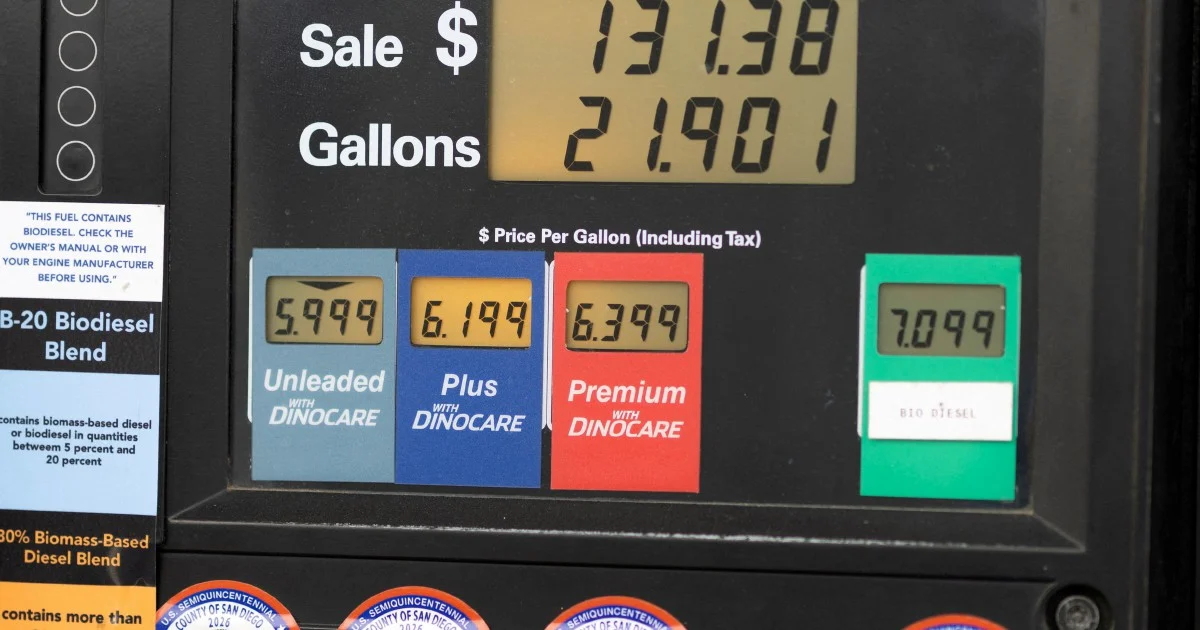
Donald Trump directed an investigation into major oil companies on Wednesday, citing concerns that petrol prices have remained elevated rather than declining swiftly as hoped. The US President's move comes as he faces mounting criticism over the economic fallout linked to the escalating Middle East conflict and its reverberations through global energy markets.
The investigation into oil majors reflects growing frustration within the Trump administration that fuel costs have not abated despite expectations they would ease. The directive signals the administration's intent to scrutinise corporate pricing behaviour and supply decisions, positioning the probe as a response to consumer pressure and political headwinds surrounding elevated energy costs.
For Malaysian observers, Trump's intervention in US energy policy carries broader implications. The investigation could influence global crude oil dynamics, potentially affecting refinery economics across Southeast Asia. Malaysia's downstream sector, particularly Petronas and independent refiners, operates within a globalised energy system where US policy shifts reverberate through pricing signals and crude allocation patterns. Any shift in American oil company behaviour or supply strategies could alter regional feedstock availability and margins.
The Middle East tensions that Trump referenced underscore the geopolitical fragility underpinning global energy security. Conflict escalation in the region directly threatens shipping lanes critical to Asian energy imports. Malaysian traders and energy planners monitor these risks closely, as disruptions to crude flows from the Gulf would immediately pressure domestic fuel costs and petrochemical competitiveness.
Trump's decision to pursue an investigation rather than pursue alternative policy mechanisms—such as releasing Strategic Petroleum Reserve stocks or negotiating OPEC production adjustments—reveals strategic thinking about accountability. The probe frames high prices as a consequence of corporate behaviour rather than supply constraints or geopolitical factors beyond executive control. This framing has domestic political value but may obscure market realities that Asian energy-dependent economies understand acutely: crude prices reflect genuine supply-demand tensions and geopolitical risk premiums.
The probe's scope and methodology remain undefined, but precedent suggests it could examine whether oil majors have deliberately constrained production to sustain prices, or whether they have failed to invest adequately in new capacity. Such investigations often unearth supply chain inefficiencies and capital allocation decisions that, while rational for shareholders, magnify price volatility for consumers. Malaysian policymakers watching this process gain insight into how large energy-consuming democracies address energy affordability—a persistent challenge throughout Southeast Asia.
Oil company profitability during periods of elevated prices frequently triggers political backlash in consuming nations. The large integrated majors operating globally—ExxonMobil, Chevron, Shell, BP—generate substantial cash flows during commodity upswings, earnings that attract scrutiny and calls for windfall taxes or forced investment requirements. How Trump's administration calibrates its investigation and any resulting policy recommendations will establish precedent potentially copied or countered by other governments seeking political advantage on fuel costs.
For Malaysia's energy sector specifically, stability in US energy policy matters tremendously. Petronas conducts upstream operations across multiple jurisdictions and downstream activities globally. Unpredictability in American regulatory approaches or sudden policy shifts create planning challenges. A sustained investigation into oil majors signals that energy policy in consuming nations will remain politically contested, necessitating flexibility from multinational operators.
The timing of Trump's directive coincides with a period of heightened Middle East tensions, where any escalation risks genuine supply disruptions. This context suggests the investigation aims partly to deflect responsibility for prices onto corporate behaviour, yet it also reflects legitimate concern about market transparency. If oil companies possess information about future supply constraints they have not adequately communicated, addressing such information asymmetries could improve market efficiency and reduce speculative premiums.
Regionally, Southeast Asian economies grapple with fuel subsidy burdens when crude prices spike, straining government budgets and distorting economic incentives. Indonesia and other net energy importers face acute fiscal pressure when global prices surge. Trump's investigation, though focused on US concerns, contributes to an international conversation about energy market fairness and corporate responsibility that resonates across the region.
The investigation's outcome remains uncertain. Oil companies may face demands to increase investment, accept price controls, or face antitrust action. Alternatively, the probe might conclude that prices reflect legitimate market conditions beyond corporate control. Either way, the investigation marks another instance of major consuming nations deploying governmental power to address energy affordability—an enduring tension between market mechanisms and political demands that Malaysia's policymakers must navigate carefully in supporting both consumer welfare and energy sector competitiveness.
As energy markets digest Trump's directive, Malaysian stakeholders from refiners to consumers will monitor developments closely. The investigation's trajectory and any resulting policy measures could reshape the investment calculus for energy projects across Southeast Asia, influencing capital flows, pricing dynamics, and energy security planning throughout the region for years ahead.

