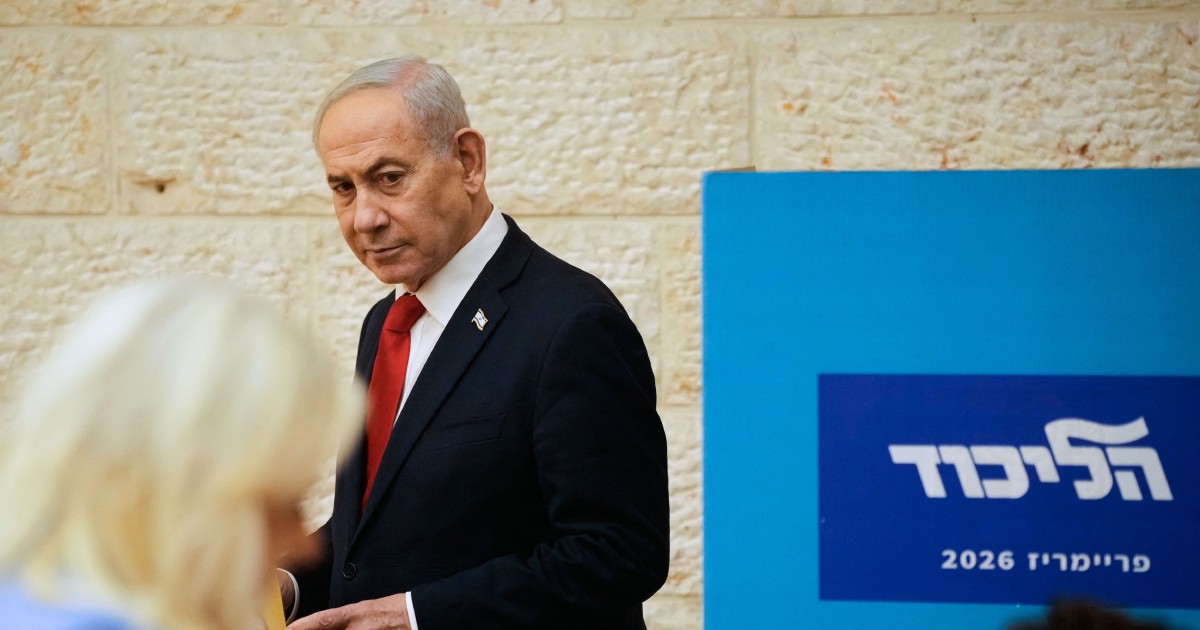
Turkey has escalated its diplomatic confrontation with Israel by issuing an international arrest warrant for Prime Minister Benjamin Netanyahu. The move, announced Friday by Justice Minister Akin Gurlek on the social media platform X, stems from an official investigation into the Israeli military's interception of an aid flotilla attempting to reach Gaza.
The warrant represents a significant formal step in Turkish efforts to hold Israeli leadership accountable for actions Turkey deems violations of international law. The flotilla incident has become a focal point for regional tensions, with Turkey maintaining that the interception violated maritime conventions and humanitarian principles governing the transport of relief supplies. By initiating this legal mechanism, Ankara is signalling its readiness to pursue accountability through international frameworks, potentially triggering complications for Netanyahu's international mobility and diplomatic standing.
The timing of the announcement underscores Turkey's broader shift toward more confrontational stances vis-à-vis Israel amid the ongoing Gaza conflict. President Recep Tayyip Erdogan's government has consistently positioned itself as a vocal critic of Israeli military operations and a champion of Palestinian humanitarian concerns. This legal action reflects growing public pressure within Turkey, where the Gaza situation has generated substantial domestic political momentum against Israeli policies.
For Malaysia and the broader Southeast Asian region, this development carries particular significance. The move illustrates how non-Arab nations, particularly those with substantial Muslim populations and considerable geopolitical influence, are increasingly prepared to employ formal legal mechanisms to contest Israeli conduct. Turkey's action demonstrates that accountability mechanisms are being activated beyond traditional frameworks, establishing potential precedents that could influence regional responses to broader international disputes.
The arrest warrant, if recognized and enforced through international channels, could complicate Netanyahu's travel to nations with extradition treaties or close ties to Turkey. This technical constraint could affect diplomatic engagements and international conference attendance, though enforcement would depend on the cooperation of individual states and the willingness of international bodies to recognise such warrants. The practical implications remain uncertain, as many nations maintain pragmatic relationships with Israel regardless of political differences.
The incident involving the aid flotilla represents a historical flashpoint in Turkish-Israeli relations. Previous naval confrontations have generated lasting tensions, and this renewed focus on accountability suggests Turkey intends to maintain pressure on this issue despite the passage of time. The Gaza humanitarian situation, compounded by restrictions on aid delivery, has become a rallying point for international criticism of Israeli policies, with Turkey positioning itself as a leading voice in this discourse.
From a legal perspective, Turkish authorities are leveraging their domestic judicial systems to establish records of alleged violations and to pursue formal accountability mechanisms. Whether such warrants gain traction in international law and criminal justice systems remains to be determined, but they serve an important function in documenting Turkish legal positions and maintaining diplomatic pressure on Israel. The announcement itself carries symbolic weight within Turkish domestic politics and throughout Muslim-majority regions globally.
The incident also reflects broader patterns of escalating tensions in the Eastern Mediterranean and Middle East. Turkey has increasingly asserted itself as a regional power willing to challenge Israeli actions through multiple channels—diplomatic statements, humanitarian advocacy, and now formal legal proceedings. This multilayered approach suggests a long-term Turkish strategy to maintain pressure on Israel regarding Gaza policy and other contentious issues.
For Southeast Asian policymakers and observers, Turkey's actions illustrate how nations outside traditional Western alliances are claiming greater agency in international accountability processes. The move signals confidence among non-Western powers that they can initiate legal actions against major global actors, potentially influencing how other nations approach similar situations affecting their interests. This recalibration of power dynamics in international law may carry implications for how regional disputes are handled within ASEAN and between Southeast Asian nations and external powers.
The bilateral relationship between Turkey and Israel, already strained by historical disputes and ideological differences, appears unlikely to improve in the near term. Erdogan's government has maintained consistent rhetorical support for Palestinian causes, and legal actions such as the arrest warrant reinforce this positioning. However, economic and security considerations continue to complicate the relationship, with both nations maintaining certain pragmatic contacts despite political tensions.
As this situation develops, international responses from nations with significant interests in Eastern Mediterranean affairs and Middle Eastern stability will prove revealing. The United States, European Union members, and other major powers may face diplomatic pressure to comment on the warrant and Turkish actions. Their responses could set important precedents regarding the enforceability of such warrants and the boundaries of accountability mechanisms in international relations.
The broader context of Gaza's humanitarian crisis ensures that Turkish legal actions will receive attention from advocacy groups, civil society organisations, and public opinion across Muslim-majority regions. Whether this warrant leads to concrete consequences or remains primarily symbolic, it represents a significant moment in how nations outside traditional power structures are asserting claims about international justice and accountability. For regional actors and emerging powers, Turkey's move provides a template for pursuing formal legal challenges to powerful nations' conduct.

