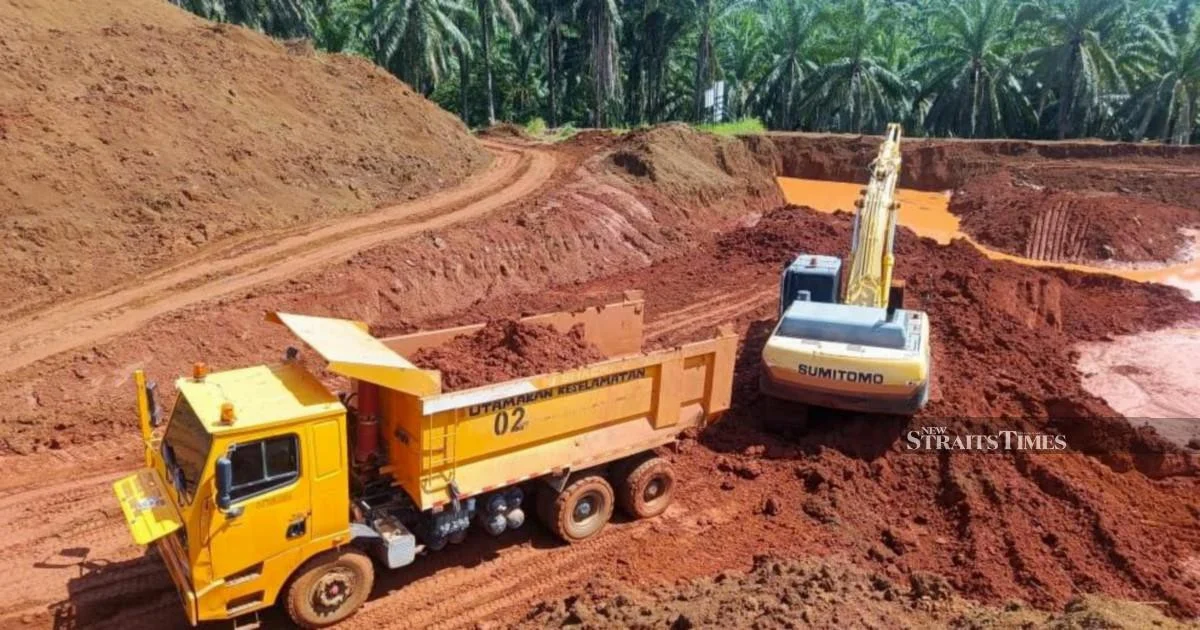
Two men suspected of orchestrating an illegal silica sand transfer operation have been taken into custody in Marang, marking another significant enforcement action against unauthorised mining activities in the state. The arrests followed an investigation by authorities based in Kota Baru, who have intensified their crackdown on illicit extraction and movement of mineral resources across Terengganu. Officers seized machinery valued at RM1.8 million during the operation, indicating the substantial scale of the suspected illegal enterprise.
The seizure highlights the persistent challenge facing regulatory authorities throughout Malaysia as unlicensed operators continue to exploit accessible mineral deposits in relatively remote areas. Silica sand remains one of the country's economically significant natural resources, with legitimate applications ranging from construction materials to industrial processing and glass manufacturing. The illegal extraction and transfer of such materials not only deprives the government of rightful revenue through mining permits and royalties but also circumvents environmental protection standards designed to minimise ecological damage.
Terengganu's geography and resource abundance have made it a focal point for mineral-related enforcement actions. The state's coastal regions and river systems, particularly around Marang district, contain deposits that attract both legitimate operators and criminal networks seeking quick profits. The fact that authorities recovered machinery worth RM1.8 million suggests an operation that had achieved some operational scale before detection, pointing to potential gaps in surveillance and community reporting mechanisms that law enforcement agencies continue to address.
The mechanism of illegal silica sand transfer typically involves extracting material from unregistered sites or unauthorised areas, then moving it through a supply chain that deliberately avoids official checkpoints and documentation requirements. This underground market not only enables operators to undercut licensed competitors but also creates financial incentives for local participation, sometimes with tacit knowledge or involvement from community members. Such operations can generate substantial profits while leaving environmental consequences including land degradation, water contamination, and ecosystem disruption that persist long after criminal operators cease activity.
Enforcement efforts against illegal mining in Malaysia have evolved significantly, with agencies now coordinating across jurisdictional boundaries and utilising intelligence gathering to identify supply chains rather than simply intercepting individual shipments. The arrests in Marang represent part of a broader regional strategy to dismantle networks involved in resource theft. However, law enforcement officials acknowledge that sustained suppression of these activities requires not only reactive arrests but proactive investment in monitoring technology and informant networks.
The RM1.8 million machinery seizure carries substantial implications for the suspected operation's future capacity. Equipment such as excavators, loaders, screening apparatus, and transport vehicles represents significant capital investment in illegal enterprises. Removing these assets from circulation substantially increases the operational cost and complexity of restarting such ventures, though determined operators sometimes attempt to recover seized equipment through legal challenges or acquire replacement machinery. The deprivation of working capital through asset seizure thus serves as a meaningful deterrent beyond criminal prosecution.
For Malaysian readers and regional stakeholders, this development underscores ongoing challenges in natural resource governance across Southeast Asia. Nations throughout the region face similar pressures from illegal mining operations, often enabled by corrupt officials and organised criminal networks with transnational connections. The silica sand market in particular has attracted international interest as industrial demand grows, potentially attracting well-resourced criminal organisations to Malaysian operations. Authorities' success in detecting and disrupting such networks depends partly on public vigilance and willingness to report suspicious activity.
The prosecution pathway for these two detainees will likely involve charges under Malaysia's mining legislation, potentially carrying custodial sentences and substantial fines. Beyond individual accountability, investigators will focus on identifying upstream suppliers of stolen material and downstream purchasers who knowingly acquired illicit resources. Building comprehensive cases against entire supply chains rather than individual participants has become standard practice in environmental crime enforcement, increasing the likelihood of genuine operational disruption.
Looming questions remain regarding how such operations initially establish themselves and operate for sufficient duration to accumulate RM1.8 million in equipment without regulatory detection. Answers likely involve combinations of rural isolation, unofficial local arrangements, and gaps between occasional compliance inspections. Terengganu's authorities indicate their commitment to closing such gaps through enhanced monitoring, yet resource constraints limiting enforcement capacity persist across Malaysia's state-level agencies. The Marang arrests demonstrate that effective detection remains possible, offering cautious encouragement for escalated enforcement efforts in coming months.

