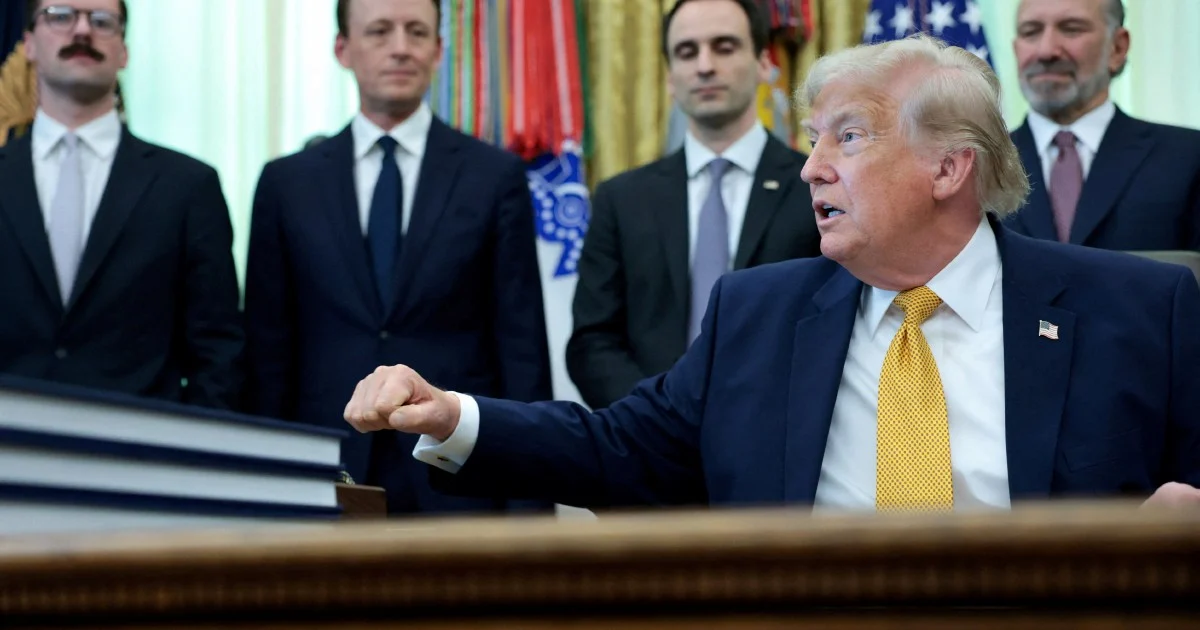
The United States Justice Department announced two additional arrests on Monday in relation to a purported conspiracy targeting the White House, with investigators alleging the scheme involved disrupting or attacking the presidential compound while a mixed martial arts cage fight was being conducted on its grounds with President Donald Trump present as the host.
This development represents an escalation in federal security investigations surrounding what authorities characterise as a coordinated threat against the seat of American government. The arrests underscore ongoing concerns within law enforcement circles about potential disruptions to high-profile events held at or near sensitive government facilities. The specific decision to stage a UFC event at the White House itself had already drawn scrutiny from security analysts, who flagged potential vulnerabilities when unusual activities occur at traditionally restricted locations.
For Southeast Asian observers, the incident highlights vulnerabilities in security protocols surrounding high-profile leaders and their public appearances, a concern that resonates across the region where numerous governments balance diplomatic openness with executive protection. Malaysia and other regional nations have similarly grappled with security challenges during major state events and presidential engagements, making international counterterrorism cooperation increasingly vital.
The Justice Department's statement did not immediately specify the identities of the two newly arrested individuals or their alleged roles within the supposed plot structure. However, federal prosecutors typically layer charges based on involvement levels, distinguishing between principal planners, active participants, and those accused of providing material support. Understanding these distinctions becomes important for assessing the scope and sophistication of the alleged conspiracy.
Investigations of this nature typically involve coordination between multiple federal agencies, including the Secret Service, FBI, and Department of Homeland Security, each contributing specialised expertise in threat assessment and protective operations. The multi-agency approach reflects the complex nature of contemporary security challenges, where potential threats may originate from diverse ideological or political motivations. Such coordination models have become templates for international security partnerships, including those involving Malaysian authorities.
The precise timeline of when authorities became aware of the alleged plot and the intelligence methods employed to detect it remain undisclosed pending ongoing legal proceedings. Early intervention in such cases often prevents escalation, but it also raises questions about the balance between public safety and civil liberties—a tension that democratic societies continuously navigate. Malaysia's security agencies face parallel considerations when investigating potential threats while respecting constitutional protections.
President Trump's decision to host a mixed martial arts event at the White House represented an unconventional use of the presidential residence, departing from traditional state dinner protocols or formal diplomatic functions. This departure from convention potentially created unfamiliar logistical challenges for security planners accustomed to standardised procedures for protecting the facility. The incident illustrates how non-traditional activities at government compounds can introduce unanticipated security variables.
The arrests follow a pattern observed internationally where law enforcement agencies have become increasingly proactive in identifying and disrupting alleged plots before they reach operational stages. This preventive approach reflects lessons learned from historical security failures and represents a significant investment in intelligence gathering infrastructure. Regional security agencies throughout Southeast Asia have similarly enhanced early-warning capabilities in recent years, though resource constraints sometimes limit effectiveness.
As the investigation continues, additional details regarding the suspects' backgrounds, motivations, and connections to broader activist or extremist networks will likely emerge through court filings and media reporting. Understanding the ideological underpinnings of alleged plots helps analysts identify emerging threat patterns and adjust protective measures accordingly. For Malaysian security observers, foreign conspiracy cases provide valuable case studies for domestic threat assessment methodologies.
The incident also raises questions about how government facilities balance accessibility and symbolic openness with fortress-like security measures. The White House, as the most recognisable symbol of American executive power, faces constant pressure to remain both accessible to the public and virtually impregnable to serious threats. This paradox applies to government buildings throughout the world, including Malaysia's own key installations.
The Justice Department indicated that investigations remain ongoing, suggesting that additional arrests or charges may follow. Federal authorities typically pursue comprehensive approaches to conspiracy cases, attempting to map entire networks rather than prosecuting isolated individuals. This methodical approach sometimes takes months or years to fully develop, particularly when cases involve coordinated activity across state lines or involve protected speech considerations.
As this case develops, it will likely inform subsequent discussions about security protocols for unusual events at government facilities and the appropriate response mechanisms when threats are detected. Both American policymakers and international security professionals will monitor the legal proceedings closely, extracting lessons applicable to their own protective operations. For Malaysia, the incident reinforces the ongoing necessity for sophisticated threat assessment capabilities and inter-agency coordination mechanisms in protecting national institutions and senior leaders.

