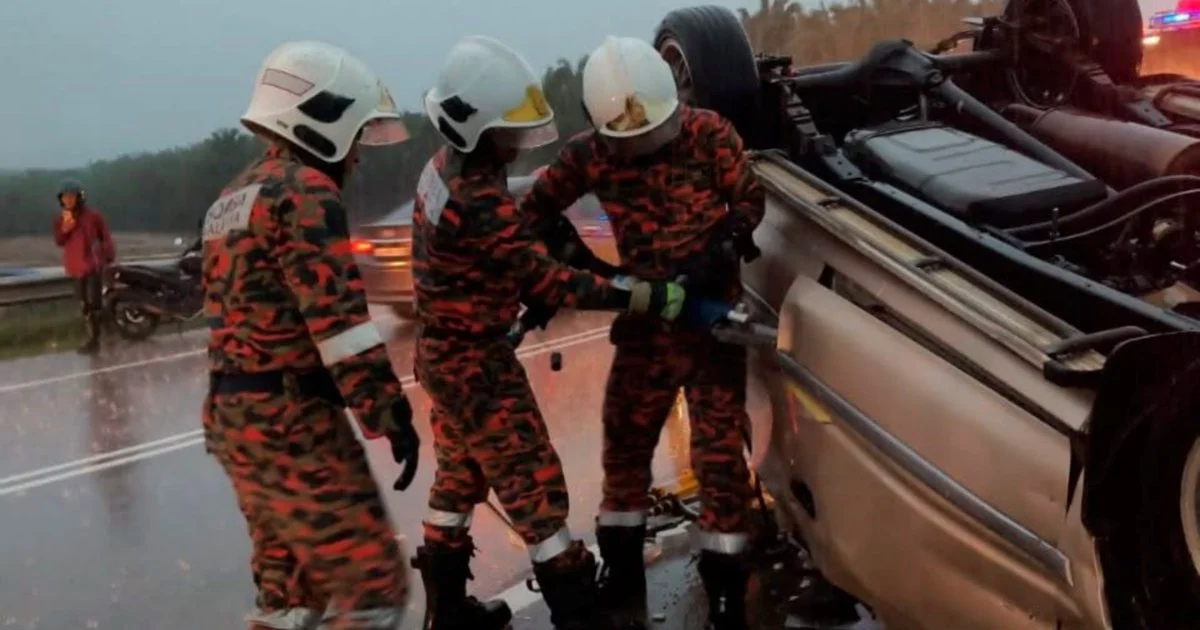
A tragic sequence of events unfolded in Pahang today as two separate road crashes claimed four lives within an hour, with two sisters among the fatalities. The incidents, occurring in Maran and Pekan, have renewed focus on traffic safety in the state, which continues to experience a troubling pattern of serious accidents on its roadways.
The proximity of the two accidents—both in time and geography—underscores the persistent challenges facing road users across Pahang. Emergency responders faced an unusually demanding situation managing two major incidents simultaneously, stretching resources as investigations into the causes of both crashes commenced. The loss of two family members in this manner has added a personal dimension to what are already sobering statistics on vehicular fatalities in Malaysia.
Road safety experts have long pointed to Pahang's diverse terrain and traffic patterns as contributing factors to accident frequency. The state encompasses both urban centres and extensive stretches of highway connecting communities across vast distances. Weather conditions, varying levels of road maintenance, and driver behaviour patterns across these different zones create complex challenges for authorities attempting to reduce fatal incidents.
The involvement of two sisters in one of these crashes raises questions about circumstances that may have precipitated the collision. Whether mechanical failure, environmental conditions, or driver error played a role remains under investigation by traffic police. The clustering of fatalities within such a short timeframe is statistically unusual enough to warrant careful examination by road safety analysts.
For Malaysian families and communities, road accidents represent an ongoing public health crisis that extends beyond immediate casualties. The ripple effects of losing multiple family members simultaneously inflict lasting trauma on extended networks of relatives, friends, and colleagues. Such incidents often prompt renewed discussions about defensive driving, vehicle maintenance, and the enforcement of traffic regulations.
Pahang's road infrastructure has been subject to periodic upgrades and maintenance initiatives, yet accidents continue to occur with concerning regularity. The state's mix of federal highways, state roads, and local streets creates environments where varying safety standards can intersect. Authorities have implemented targeted campaigns promoting speed awareness and seatbelt usage, though effectiveness measurements remain inconsistent.
The timing of these crashes—occurring within a compressed timeframe—may indicate specific conditions or circumstances affecting driver behaviour at that particular hour. Traffic flow patterns, visibility, and congestion levels can vary significantly depending on the time of day, and these factors often correlate with accident severity and frequency. Understanding what conditions converged to cause two fatal crashes so close together in time could provide valuable insights for prevention strategies.
For Southeast Asian travellers and Malaysian commuters regularly using Pahang's routes, these incidents serve as reminders of the unpredictability inherent in road travel. The region's development trajectory has accelerated vehicle numbers and traffic volumes without proportional improvements to driver training infrastructure or enforcement consistency. This imbalance creates pockets of vulnerability where tragic outcomes become statistically more probable.
Vehicle crash investigation teams will examine wreckage, witness accounts, and scene evidence to reconstruct the sequence of events preceding each collision. Modern forensic techniques can often identify contributing factors from vehicle damage patterns, tire marks, and structural deformation. This technical analysis, combined with witness testimony, typically reveals whether factors such as speed, mechanical failure, or human error dominated in each case.
The broader context of Malaysian road fatalities shows that despite national road safety initiatives, annual casualty figures remain stubbornly elevated compared to peer nations with similar vehicle ownership rates. Economic costs associated with treating serious injuries, vehicle damage, and lost productivity represent a significant drain on national resources. Beyond statistics, however, each fatality represents a disruption to multiple families and communities.
State-level interventions in Pahang have included enhanced enforcement during peak travel periods and infrastructure improvements at accident-prone intersections. However, sustaining momentum for safety programs often proves challenging when competing with other budgetary priorities. The degree to which these existing initiatives are adequately funded and consistently implemented directly affects their real-world impact on crash prevention.
As authorities investigate the specific circumstances surrounding today's fatal crashes, the broader conversation about Malaysian road safety will likely intensify. Advocacy groups, safety organisations, and concerned citizens continue pressing for comprehensive approaches addressing vehicle standards, driver licensing rigor, and post-incident response coordination. The deaths of these four individuals, including the two sisters, add weight to ongoing arguments for escalated intervention.

