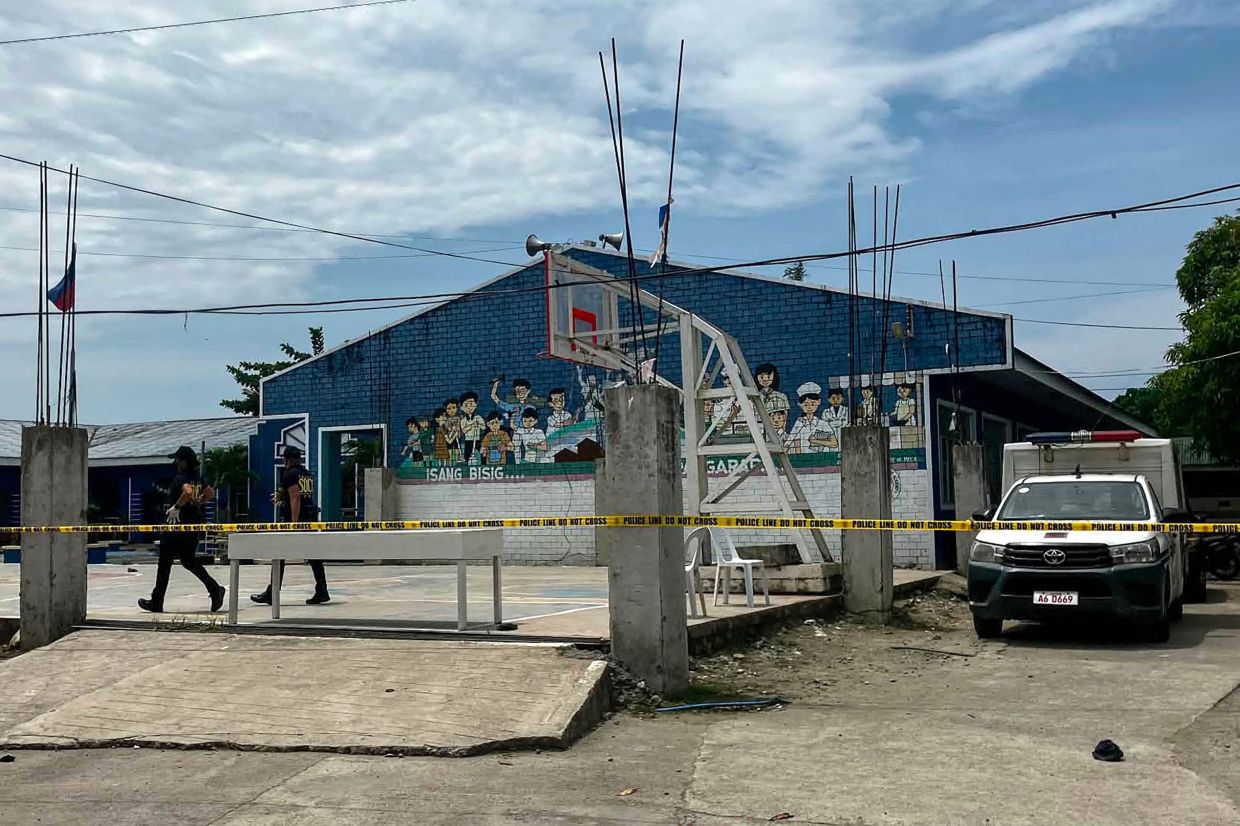
The Philippines reeled on Monday following a shooting rampage at San Jose National High School in Tacloban City that claimed three lives and left seven others wounded. Two students, aged 14 and 15, were taken into custody by police following the mid-morning attack at the government-run institution, which serves more than 1,500 pupils. Regional police chief Brigadier General Jason Capoy confirmed that both perpetrators and all victims were enrolled at the school, marking a rare and deeply troubling incident of school-based gun violence in the Southeast Asian nation.
According to law enforcement accounts, the two suspects—described as close friends—brought firearms onto campus and proceeded to fire indiscriminately at fellow students. The attack unfolded across multiple classrooms as victims fled in panic. Capoy explained that after the initial volley of gunfire in one room forced students to scatter, the gunmen pursued some fleeing classmates into an adjacent classroom, intensifying the terror within the school building. Investigators recovered at least 40 spent shell casings at the scene, underscoring the ferocity of the assault. The majority of those killed and injured were female students, according to police statements.
Videos circulating online captured the harrowing reality within locked classrooms as students huddled beneath desks, their screams audible as gunshots rang out in nearby corridors. Some young people can be heard desperately calling their mothers in the footage, while other recordings showed panicked pupils fleeing the campus grounds, many clinging to one another for comfort and reassurance. These images provide a stark window into the immediate aftermath and the psychological trauma inflicted on witnesses and survivors.
Police investigations have focused initial attention on the motive, with both suspects claiming during questioning that they had been subjected to bullying at the school. However, Brigadier General Capoy declined to provide further elaboration on these assertions. Notably, neither teenager had prior criminal records, suggesting the attack was not preceded by documented violent incidents. This detail has intensified scrutiny of the school environment and whether warning signs of escalating tensions were missed by educators or administrators.
A significant security failure has emerged as authorities probe how the armed teenagers managed to enter the school undetected. The campus relied on only a single security guard to monitor multiple entrance and exit points—a vulnerability that Capoy identified as a critical lapse. This oversight has raised urgent questions about resource allocation for school security across Philippine institutions, particularly in provincial areas where funding constraints may limit protective measures.
The weapons used trace to a troubling source. One suspect obtained a 9-millimetre pistol from his aunt, a police officer, who is now under investigation for her role in facilitating access to the firearm. The other perpetrator carried a calibre-38 revolver, though authorities have not yet disclosed its origin. The involvement of a law enforcement family member in providing access to a weapon represents a particularly damaging breach of trust and responsibility.
Under Philippine law, the suspects' juvenile status affords them certain legal protections that will affect how the criminal justice system processes the case. The 14-year-old is exempt from criminal prosecution under a 2006 statute that establishes 15 years as the minimum age threshold for criminal liability. The 15-year-old may face charges only if authorities establish that he possessed full understanding of the criminal act and its consequences. Following police investigation, both youths are to be transferred to government welfare officers for appropriate handling within the juvenile system.
The immediate apprehension of the suspects occurred under different circumstances. One gunman was arrested directly at the school premises, while his accomplice fled and sought refuge in a nearby residential property. Local residents alerted police to his hiding location, enabling officers to apprehend him before he could evade authorities entirely. This rapid response, despite institutional security gaps, prevented further loss of life.
President Ferdinand Marcos Jr. moved swiftly to respond to the tragedy, ordering a comprehensive investigation and instructing law enforcement to fortify security measures across schools, commercial establishments, and public gathering spaces nationwide. Communications Undersecretary Claire Castro conveyed the president's distress at the incident, acknowledging the profound sadness and fear experienced not only by bereaved families but by the broader population. This high-level political response underscores the gravity with which national leadership views the breach of safety within educational institutions.
While firearm-related crime remains endemic in Philippine society—largely attributable to the circulation of unlicensed weapons in civilian hands—school shootings remain statistically uncommon. This relative rarity intensifies the shock value of the Tacloban attack and may catalyse meaningful policy discussions around institutional security and youth mental health interventions. The incident echoes a 2022 shooting at an upscale Manila-area university where a gunman killed a former municipal mayor and two others during a graduation ceremony, demonstrating that high-profile shooting incidents, though infrequent, do punctuate Philippine public life.
The tragedy raises critical questions for Malaysian observers and regional policymakers regarding the intersection of youth mental health, school security infrastructure, and firearm regulation enforcement. While mass shootings remain statistically rarer in Southeast Asia than in Western nations, the Tacloban incident illustrates vulnerabilities that transcend national borders. School administrators across Malaysia and the region may view this case as a cautionary lesson in the importance of comprehensive threat assessment protocols, adequately trained security personnel, and supportive environments that address student psychological distress before it escalates to violence.

