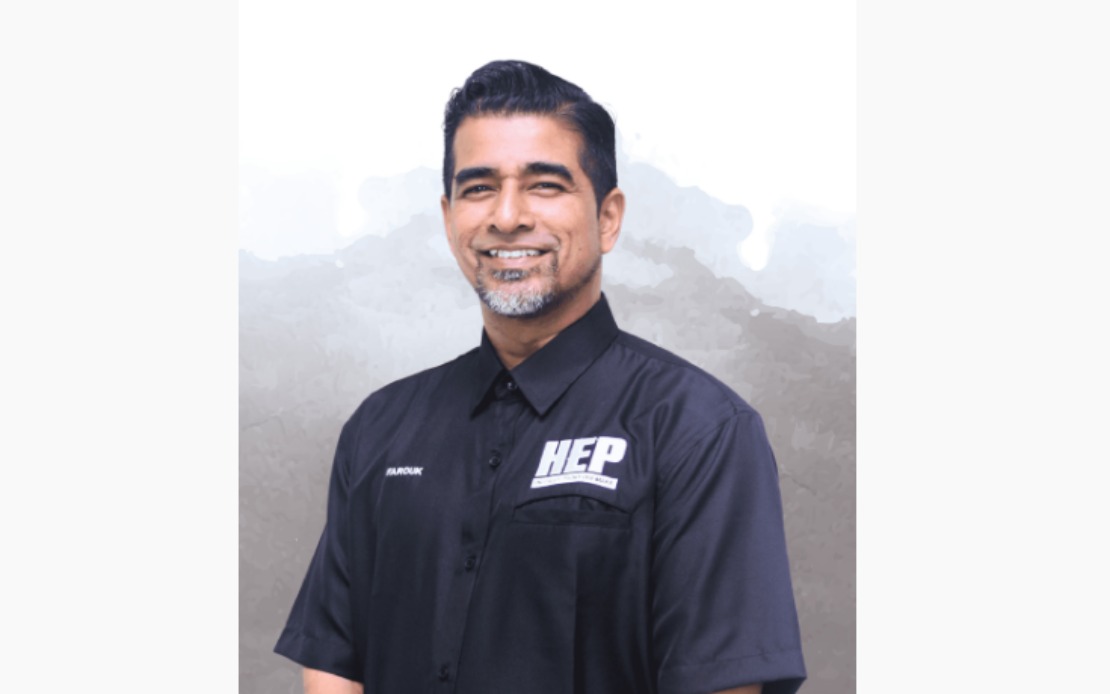
The Kelantan campus of Universiti Teknologi MARA has launched a renewed push to ensure that financial hardship does not prevent capable students from accessing higher education. Speaking during the university's Rector's Cakna Programme, Deputy Rector for Student Affairs Meer Zhar Farouk Amir Razli stressed that prospective students should not automatically decline admission offers due to concerns about funding. Instead, he encouraged both students and parents to thoroughly investigate the comprehensive support mechanisms available before making their final decisions.
Beyond the ubiquitous PTPTN loans that dominate conversations around university financing in Malaysia, UiTM Kelantan offers a broader ecosystem of financial assistance designed specifically for vulnerable cohorts. The institution provides zakat support drawn from Islamic charitable principles, dedicated welfare funds for those in acute need, and access to various facilities that collectively ease the burden of tertiary education. These programmes reflect growing recognition that structural barriers to university attendance extend beyond tuition fees to encompass living costs, accommodation, and the daily expenses that accumulate throughout an academic year.
Central to this support infrastructure is the Dapur MADANI initiative, operated through residential colleges across the campus. This programme directly addresses one of the most significant hidden costs of university life: food and meal expenses. By subsidising dining facilities and providing nutritional support through college-based operations, Dapur MADANI enables students to allocate limited family resources toward other essential needs. The initiative represents a pragmatic understanding that student retention and academic performance deteriorate when basic nutritional security remains uncertain.
The Rector's Cakna Programme itself exemplifies how institutional commitment translates into tangible action. Conducted in partnership with local non-governmental organisations, the initiative specifically targets newly enrolled students identified as requiring additional assistance. Rather than operating as a bureaucratic apparatus distant from student experiences, the programme integrates community organisations into the support framework, leveraging local networks and trust to identify those most in need. This collaborative approach recognises that university administrations alone often lack intimate knowledge of the specific challenges facing their student populations.
The case of Norzarra Dhania Amir Abdullah, a nineteen-year-old from a low-income household, illustrates the tangible consequences of these support systems. Having turned down a previous UiTM offer to study at the Sarawak campus due to family financial constraints, Norzarra Dhania found herself trapped in a familiar dilemma facing many Malaysian youth from disadvantaged backgrounds: promising educational opportunities rendered inaccessible by economic realities. As the eldest of seven siblings, she carried additional familial responsibilities beyond her own aspirations. Her mother's work as a restaurant assistant represents the precarious employment characteristic of Malaysia's lower-income service sector, whilst her father's health challenges—he developed diabetes four years ago—transformed household economics fundamentally.
When Norzarra Dhania received admission to UiTM Kelantan, the geographic proximity to her family home in Jalan Kebun Sultan altered the calculation significantly. Unlike the Sarawak campus, which would have necessitated substantial additional expenditure for accommodation and travel, the Kelantan location allows her to remain within her family unit whilst pursuing a Diploma in Management. This geographical consideration underscores how universities' spatial distribution across Malaysia directly shapes educational access for economically constrained populations. The Kelantan campus thus functions not merely as an educational facility but as critical infrastructure ensuring that regional disparities do not compound existing inequalities.
The university's decision to present Norzarra Dhania with a laptop at her home demonstrates proactive engagement with student welfare that extends beyond campus boundaries. This tangible asset addresses a contemporary educational necessity: digital devices have become fundamental requirements for academic success across all disciplines, yet many low-income families struggle to afford them. By intervening at the household level before the academic semester commenced in September, UiTM Kelantan removed a potential barrier to effective learning whilst simultaneously validating the student's decision to pursue higher education.
The broader context underscoring these initiatives reflects intensifying competition for places within Malaysia's public higher education sector. As demographic pressures and rising expectations for tertiary qualification increase the volume of qualified applicants pursuing limited places, institutional selection becomes increasingly rigorous. Students from underprivileged backgrounds often face the additional burden of self-selection—they may not even apply to universities where they believe financial constraints render attendance impossible. This psychological barrier operates independently of actual support available, suggesting that awareness campaigns and visible institutional commitment to financial accessibility must accompany the practical assistance itself.
For students in Kelantan and across peninsular Malaysia's less urbanised regions, the significance of accessible higher education extends beyond individual social mobility. Educational attainment correlates strongly with regional economic development, workforce capabilities, and the capacity of communities to address local challenges through informed decision-making. When universities actively remove financial obstacles to access, they simultaneously invest in regional human capital development. UiTM Kelantan's commitment thus resonates beyond the immediate students it supports, contributing to broader patterns of inclusive development.
The emphasis on encouraging students not to hastily reject offers also acknowledges a peculiar challenge within Malaysia's education policy landscape. Some students from modest means may reflexively decline university places to pursue employment immediately, seeking short-term household income generation over long-term qualification development. Institutional messaging that emphasises available support attempts to counteract this rational but ultimately constraining decision-making process. By demonstrating tangible commitment through programmes like Dapur MADANI and through personalised support like laptop provision, universities create credible evidence that attending university whilst economically disadvantaged remains genuinely viable.
Looking forward, the model exemplified by UiTM Kelantan suggests that universities addressing educational inequality require multifaceted approaches. Loan schemes alone prove insufficient; living expenses, nutritional security, digital resources, and psychological reassurance that institutional support genuinely exists must all feature prominently. For Malaysian policymakers monitoring social cohesion and equitable development, such institutional initiatives provide both template and evidence that targeted interventions can meaningfully expand higher education access. The challenge remaining is ensuring that awareness of these support mechanisms reaches prospective students in time to influence their enrollment decisions.