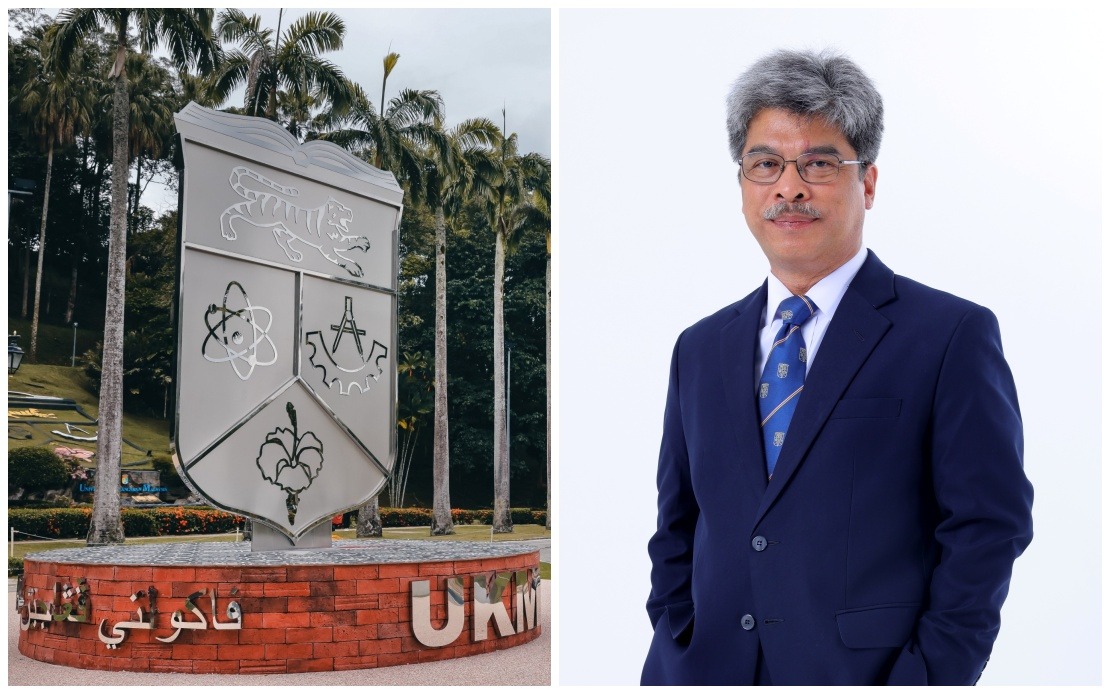
Universiti Kebangsaan Malaysia (UKM) has formally declared its readiness to contribute substantive academic and legal expertise to the ongoing consultation process for the One Higher Education Act, a sweeping legislative overhaul intended to supersede the Universities and University Colleges Act 1971 (Act 30, commonly known as AUKU). The announcement, made by UKM's vice-chancellor Prof Datuk Dr Sufian Jusoh, reflects growing momentum behind the government's commitment to fundamentally restructure Malaysia's higher education regulatory environment with a more contemporary and comprehensive legal framework.
The proposed legislative reform builds upon Prime Minister Datuk Seri Anwar Ibrahim's earlier commitment to dismantle AUKU, which has governed Malaysia's universities for over five decades. The Prime Minister had previously indicated that the government would abolish the act to create greater institutional freedom and expanded democratic space for student movements, with the matter subsequently brought to Cabinet consideration. This direction now materialises through the Ministry of Higher Education's (KPT) strategic development of the One Higher Education Act, which will be anchored within the broader Malaysia Higher Education Plan (RPTM) 2026-2035, according to Minister Datuk Seri Dr Zambry Abd Kadir.
UKM's offer to serve as a principal catalyst in stakeholder consultations carries particular significance given the university's standing within Malaysia's higher education sector. The institution proposes to facilitate inclusive dialogue spanning university leadership, academic staff, industrial partners, and student representatives, recognising that comprehensive engagement across these constituencies is essential for developing legislation capable of addressing contemporary institutional needs. Such multi-stakeholder involvement represents a deliberate departure from top-down legislative drafting, potentially establishing a more participatory model for higher education governance reform in Malaysia.
The university's strategic positioning around this reform initiative extends beyond procedural support. Sufian articulated how the legislative changes align directly with UKM's institutional vision articulated through its TEKAD 57 Strategic Plan 2026-2030, which charts the university's development trajectory toward Malaysia's centenary independence year in 2057. This convergence between national legislative reform and institutional strategic planning demonstrates how higher education modernisation efforts increasingly demand integration across multiple organisational and governmental levels rather than functioning as isolated policy initiatives.
Central to UKM's engagement platform are several interconnected governance priorities that the new legislation is anticipated to advance. The university emphasises its commitment to strengthening institutional autonomy—a long-standing aspiration within Malaysia's higher education sector—whilst simultaneously maintaining robust accountability mechanisms and ethical frameworks. Additionally, UKM highlights the importance of governance flexibility, the protection and expansion of academic freedom grounded in ethical principles, and meaningful student participation in institutional decision-making processes. These elements collectively suggest a rebalancing of power dynamics within Malaysian universities, moving away from the restrictive regulatory posture characterised by AUKU toward more permissive institutional arrangements.
The implications of this legislative transition extend significantly beyond administrative procedure or governance structure. UKM positions the One Higher Education Act as instrumental to developing human capital fundamentally grounded in knowledge creation, ethical values, and innovation—priorities increasingly recognised as essential to Malaysia's economic transformation and regional competitiveness. The university's framing suggests that outdated regulatory frameworks inherently constrain institutional capacity to respond to emerging challenges, whether technological disruption, global economic shifts, or evolving labour market requirements. By modernising the legal foundation, Malaysia's higher education institutions theoretically gain enhanced flexibility to innovate in pedagogical approaches, research directions, and institutional partnerships.
The elevation of Malaysian higher education to international prominence represents another explicit objective within this reform agenda. UKM articulates its confidence that integrating the new legislative framework with the institution's strategic aspirations will enhance its capacity to deliver globally competitive research excellence whilst simultaneously managing accountability and governance integrity. This framing acknowledges an underlying tension within higher education systems worldwide: the simultaneous pursuit of institutional autonomy, research excellence, and governmental accountability. By embedding these objectives within updated legislation, Malaysian policymakers ostensibly aim to create a legal environment more conducive to balancing such competing imperatives than the restrictive regulatory environment that AUKU has maintained.
The timing of this legislative initiative reflects broader regional and global trends in higher education governance reform. Across Southeast Asia and beyond, universities increasingly confront pressures to modernise their regulatory environments to enhance institutional agility, attract international collaboration, and respond more dynamically to societal needs. Malaysia's higher education system, whilst possessing several world-class institutions, has operated within legal constraints that many analysts argue have inhibited its full potential. The proposed reforms suggest governmental recognition that regulatory modernisation represents a prerequisite rather than an optional enhancement to institutional competitiveness.
UKM's proactive positioning within this reform process signals the university's strategic intent to shape legislative outcomes aligned with its institutional vision rather than simply adapting to legislation developed through governmental channels alone. This consultative approach, should it extend across Malaysia's broader university system, could establish important precedents for more collaborative policy development in higher education governance. By explicitly inviting stakeholder participation and acknowledging the knowledge contributions universities themselves can provide to regulatory reform, the government potentially establishes a more resilient and contextually informed legislative framework than would emerge from purely administrative drafting.
However, the success of this reform initiative ultimately depends upon substantive translation of stated commitments into legislative language and institutional implementation. UKM's willingness to contribute expertise represents a necessary rather than sufficient condition for reform success. The consultation process will need to navigate competing interests among various stakeholder groups, balance autonomy against accountability concerns, and ensure that enhanced flexibility for universities translates into tangible benefits for students, society, and the national economy. The coming months of consultation and legislative drafting will reveal whether this collaborative approach can effectively bridge such potential tensions.
The One Higher Education Act thus emerges as substantially more than technical legislative replacement. It represents a potential inflection point in Malaysia's approach to higher education governance, reflecting governmental acknowledgement that institutional modernisation requires legal frameworks calibrated to contemporary realities and future aspirations. UKM's commitment to engage constructively in this process, alongside the anticipated participation of other institutions and stakeholders, creates opportunity for developing legislation that genuinely advances Malaysian higher education's international standing whilst maintaining appropriate public accountability and social responsiveness.

