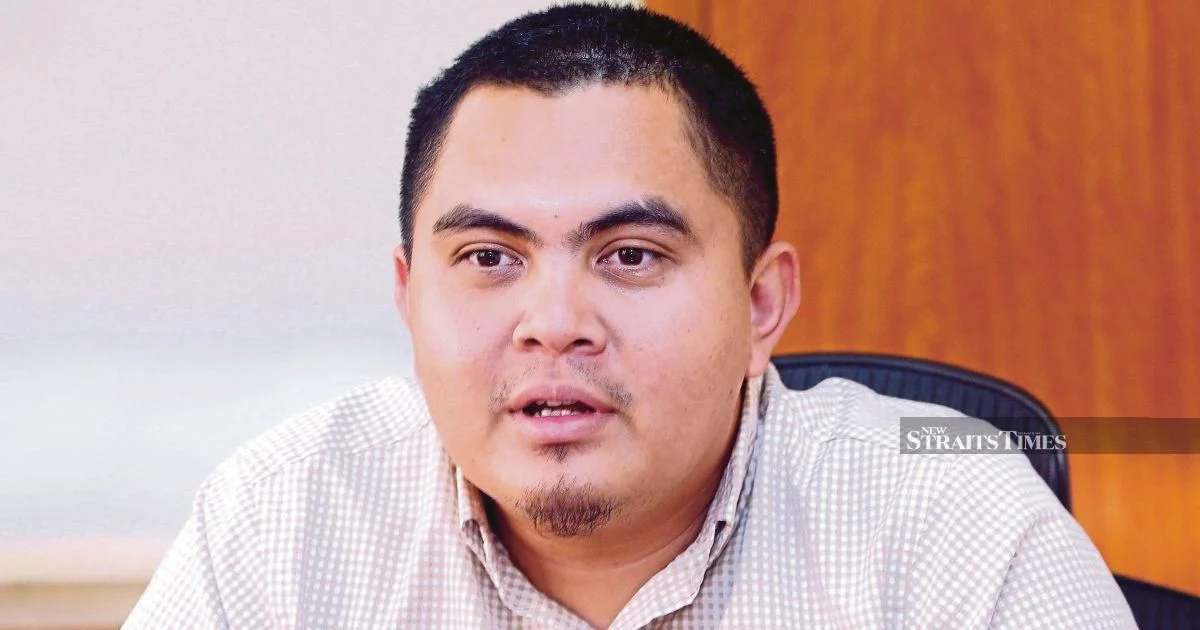
Umno Youth chief Datuk Dr Muhamad Akmal Saleh has firmly rejected the characterisation of his party as one that engages in family-based politics, insisting instead that candidate selection processes operate according to principled criteria rather than kinship considerations. Speaking in Johor Baru, the senior party official addressed persistent perceptions that relatives of prominent party figures receive preferential treatment when seeking nominations for election contests, a narrative that has periodically surfaced in Malaysian political discourse.
The assertion carries particular weight given Umno's historical dominance in Malaysian politics and its role as the largest component of the Barisan Nasional coalition. As Southeast Asia's oldest continuously ruling party until its 2018 electoral defeat, Umno has faced recurring scrutiny regarding internal governance practices, leadership succession mechanisms, and the relationship between family connections and political advancement. Akmal's comments suggest an attempt to address these longstanding perceptions head-on, positioning the party as committed to institutional integrity.
The Umno Youth leader's defence of party meritocracy reflects broader anxieties within Malaysian political circles about the legitimacy of candidate selection procedures. In recent electoral cycles, the opposition has levelled accusations that both government and non-government parties privilege familial networks when determining who stands for parliament and state assembly seats. These critiques resonate particularly in contexts where dynastic representation remains visible across Malaysia's political landscape, with certain surnames appearing with notable frequency in electoral contests.
For Malaysian voters and political observers, Akmal's remarks offer a window into how Umno addresses criticism of its internal procedures. The statement acknowledges that such perceptions exist widely enough to warrant explicit rebuttal, suggesting the party recognises the reputational damage that accusations of nepotism can inflict. In an era of heightened political consciousness and social media scrutiny, parties across the Malaysian spectrum have become increasingly attuned to public expectations regarding transparency and fairness in leadership selection.
The timing of these comments warrants consideration within the broader context of Umno's post-2018 trajectory. Following its electoral loss to Pakatan Harapan, the party has undertaken various internal restructuring exercises and leadership recalibrations intended to revitalise its appeal to voters. Addressing concerns about institutional fairness and candidate selection integrity represents part of this renewal narrative, signalling to party members and the electorate that Umno maintains mechanisms to prevent concentration of advantage among political dynasties.
Umno Youth's elevated profile in these discussions reflects the wing's role as custodian of the party's ideological direction and emerging leadership. As the movement responsible for grooming younger party cadres, Youth leaders like Akmal occupy crucial positions in shaping public perceptions of Umno's future orientation. Their statements regarding meritocratic principles carry implications for how the broader party structures recruitment, training, and advancement pathways for ambitious politicians.
The assertion that Umno does not operate as a family-based enterprise also carries relevance for Malaysia's coalition politics. The relationship between Umno and its BN partners—particularly MIC and MCA—has historically involved negotiations over seat allocations and representation frameworks. If perceptions of Umno favouritism toward internal family networks persist, such concerns could theoretically influence coalition dynamics and partner parties' willingness to collaborate in future electoral alliances.
From a comparative perspective, Malaysia's major political parties grapple with similar challenges regarding candidate selection transparency. The concept of meritocracy in electoral politics remains contested globally, with legitimate debate about what criteria should determine candidacy. Umno's explicit rejection of family-based selection suggests the party recognises that contemporary Malaysian voters increasingly demand clarity on such procedures, particularly as younger, digitally-engaged constituencies become more prominent electorally.
Akmal's intervention also reflects the Umno Youth wing's broader positioning as a modernising force within the party structure. By articulating commitments to institutional fairness and merit-based advancement, Youth leadership claims alignment with contemporary governance standards while implicitly differentiating themselves from perceptions of older, more traditionalist approaches to party management. This generational framing carries strategic value in Umno's efforts to rebuild electoral competitiveness.
For Southeast Asian observers tracking Malaysian political developments, these statements illuminate ongoing tensions within Bumi-centric parties regarding internal democratisation and institutional accountability. As Malaysia's political culture increasingly emphasises good governance and transparent decision-making, established parties face pressure to demonstrate that their internal procedures meet contemporary standards. Akmal's remarks represent one such attempt to position Umno as responsive to these evolving expectations, though the party's continued credibility will ultimately depend on whether selection procedures consistently align with professed meritocratic principles across future electoral cycles and contested seat nominations.

