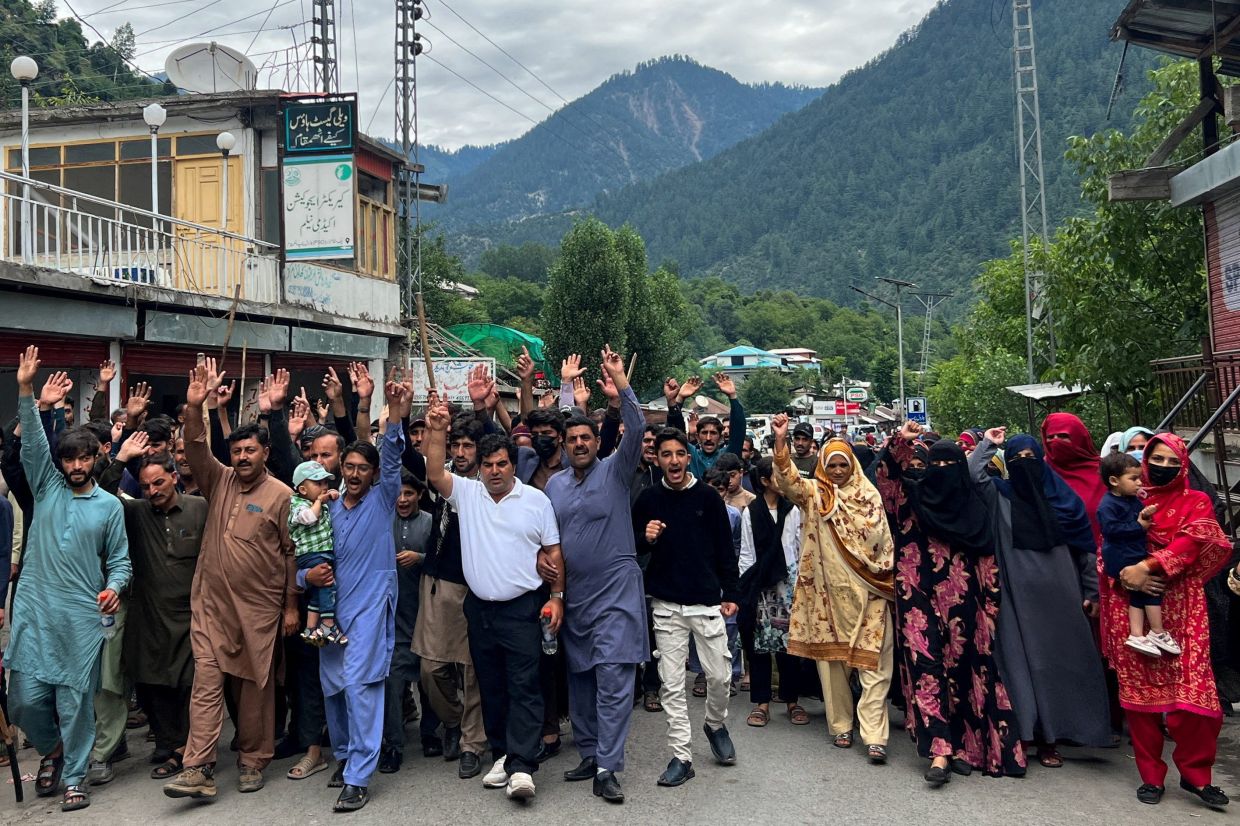
The United Nations has stepped into escalating tensions in Pakistani-administered Kashmir, calling for independent investigations into mounting casualties as the region braces for legislative assembly elections on July 27. Speaking in Geneva, UN Human Rights Commissioner Volker Turk's office issued the appeal after reports of dozens of deaths since June, marking a concerning spike in violence that threatens to overshadow the electoral process. The call underscores growing international concern about the handling of civil unrest in a strategically sensitive region where Pakistan maintains tight control and where historical grievances run deep.
The death toll has drawn from multiple groups—primarily demonstrators but also security personnel—creating a volatile dynamic where both sides face casualties. This pattern reflects the intensity of confrontations between police forces and protesters affiliated with the Joint Awami Action Committee (JAAC), a movement centred on demands for economic improvements and administrative reforms. The scope of the violence suggests more than isolated incidents; rather, it points to sustained confrontations stemming from broader popular discontent with governance and economic conditions in the territory.
Pakistan's response to the unrest has included banning the JAAC under anti-terrorism legislation, a move that the UN views with alarm. The designation came after authorities claimed the organisation posed threats to public order and security, but international observers have questioned whether the ban represents proportionate governance or overreach. This criminalisation extends beyond symbolic measures—several JAAC leaders have been detained, and restrictions on public gatherings have been imposed, effectively constraining the space for lawful dissent and political expression.
The UN's concerns centre on the fundamental rights at stake. Freedom of assembly, expression, and association form the bedrock of democratic societies, and their restriction signals potential governance problems beyond the immediate security context. The international body has specifically called for detained JAAC leaders to receive adequate legal representation and family access, insisting that due process and fair trial protections remain non-negotiable even when security concerns exist. This emphasis reflects a tension between security and rights that has characterised Pakistan-administered Kashmir's governance for years.
Internet shutdowns compound the rights violations, according to the UN assessment. The authority has imposed connectivity restrictions across the region, justifying them as security measures during heightened tensions. However, this approach prevents citizens from accessing information, communicating freely, and documenting events—capabilities essential when public trust in institutions is low. The UN specifically flagged that such restrictions disproportionately affect ordinary citizens' ability to inform themselves and share perspectives at precisely the moment when transparent communication is most needed.
The September 2023 clashes offer instructive precedent, leaving nine confirmed dead and demonstrating that violence in the region can escalate rapidly. That incident, also involving JAAC-led demonstrations, suggests a pattern of recurring confrontations rooted in unresolved grievances rather than isolated incidents. The recurring nature of these clashes points to systemic issues—economic hardship, governance dissatisfaction, and the broader question of political autonomy—that elections alone may not resolve without substantive dialogue and reform.
Kashmir's geopolitical sensitivity cannot be divorced from understanding Pakistan's approach to governance there. Both India and Pakistan claim the entire territory, though it remains partitioned between them following independence from British rule. For Pakistan's military and civilian authorities, Kashmir represents a frontier of national security, making them extraordinarily sensitive to any form of disorder or organisation that challenges state control. This security-centric mindset, while understandable within Pakistan's strategic calculus, often prioritises stability over accommodating legitimate grievances through dialogue.
The UN's call for "meaningful and inclusive political dialogue" addresses this impasse directly. Rather than relying solely on security measures to manage discontent, authorities are urged to engage the underlying causes—economic opportunities, equitable governance, and genuine representation. This approach recognises that elections held amid restrictions on assembly, criminalised civil society, and internet blackouts lack the legitimacy that comes from citizens feeling heard and included in political processes.
For Malaysia and other Southeast Asian democracies, the situation offers sobering lessons about the fragility of rights during security crises. While each nation faces distinct security challenges, the temptation to suspend normal democratic processes and restrict freedoms in pursuit of order remains constant. Pakistan-administered Kashmir illustrates how such measures, even if well-intentioned, can deepen grievances and create cycles where security threats proliferate rather than diminish. The region's experience suggests that durable stability requires addressing root causes—economic opportunity, good governance, and respect for fundamental freedoms—rather than relying indefinitely on restrictions and exclusion.
The timing of these events matters significantly. Holding elections amid heightened tensions, protest bans, and connectivity restrictions raises questions about the meaningfulness of the electoral exercise itself. Can citizens make informed choices when information is restricted? Can candidates and parties campaign effectively when assembly is limited? These questions extend beyond Pakistan to any democracy grappling with balancing security and participation. As the July 27 election approaches, international attention will focus on whether Pakistan can create space for genuine political competition or whether the vote will be overshadowed by the restrictions and grievances that prompted the recent unrest.

