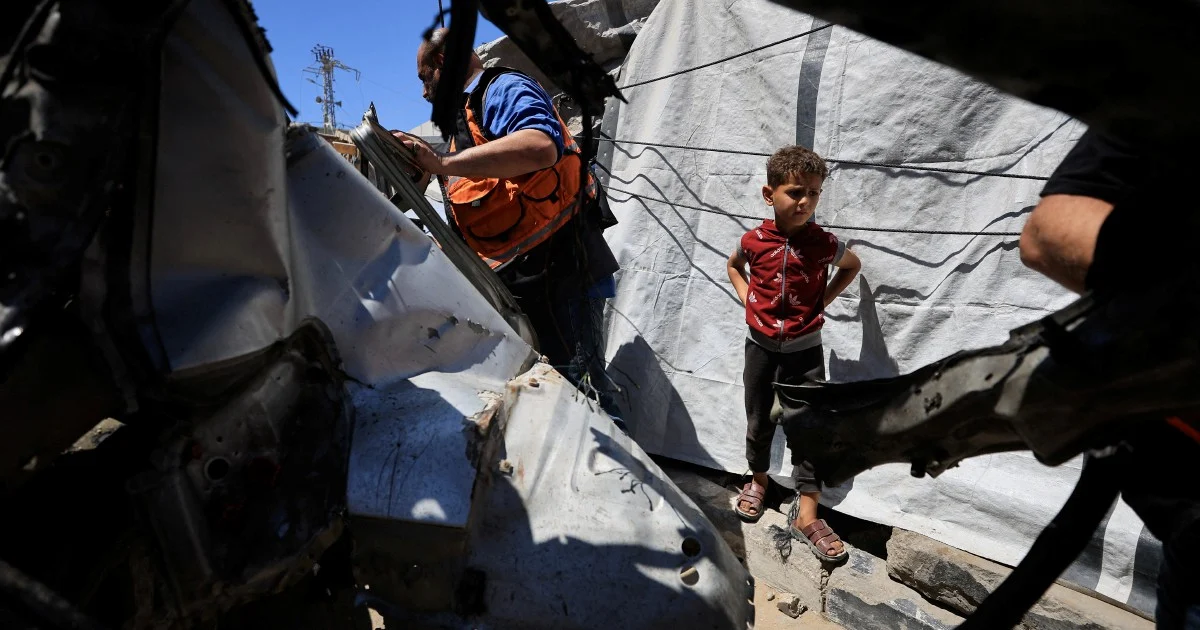
United Nations investigators released findings on Tuesday asserting that Israel has engaged in the deliberate targeting of Palestinian children within Gaza, characterizing such actions as a significant component of what they describe as a genocide currently taking place in the territory. The damning report, delivered from the UN headquarters in Geneva, has immediately drawn sharp rebuttal from Israeli officials who dispute both the methodology and conclusions of the investigation.
The UN probe represents one of the most serious formal accusations levelled against Israel's military operations in Gaza since the current escalation of hostilities began. Investigators concluded that the systematic nature of attacks resulting in child casualties points to a deliberate policy rather than incidental harm arising from military conflict. This distinction matters substantially within international law frameworks, where intent becomes a critical determinant in establishing charges related to crimes against humanity and genocide.
The report comes amid sustained international scrutiny of civilian casualties in Gaza, where numerous international organizations have documented significant loss of life among vulnerable populations, particularly children and women. The UN investigators' assertion that targeting children represents a key factor in broader genocidal intent adds a new dimension to existing debates about proportionality and conduct during the conflict. Previous documentation by human rights monitors has recorded thousands of Palestinian child casualties, though disputed by Israeli sources regarding exact figures and circumstances.
Israeli officials have responded by challenging the credibility and impartiality of the UN investigators, suggesting their findings reflect predetermined conclusions rather than objective analysis. Israel maintains that it takes extensive precautions to minimize civilian harm and that Palestinian militant groups deliberately position weapons and fighters among civilian populations, creating complex targeting scenarios. This fundamental disagreement over facts and interpretation has characterized the broader dispute between Israel and international investigative bodies throughout the current conflict.
For Malaysian observers, this development underscores the complexities surrounding international accountability mechanisms and the challenges faced by UN investigative bodies in conflict zones. Malaysia has historically maintained strong solidarity with Palestinian causes and has been active in bringing Middle Eastern issues before international forums. The findings align with positions advanced by various non-aligned nations and Muslim-majority countries that have consistently called for independent investigations into conduct during the Gaza conflict.
The accusation of deliberate targeting distinguishes this investigation from earlier assessments of collateral damage during military operations. Under international humanitarian law, parties to conflict must distinguish between combatants and civilians, and deliberately attacking children constitutes a war crime regardless of broader military objectives. The UN investigators' determination that such targeting has been deliberate—rather than a tragic byproduct of combat—represents an escalation in formal accusations that carries potentially significant implications for individual accountability and state responsibility.
The timing of this report reflects ongoing diplomatic tensions at the United Nations, where divisions over the Gaza situation have prevented consensus on many measures. Major powers have disagreed sharply on investigations, fact-finding missions, and accountability mechanisms, with some nations opposing formal inquiries into Israeli conduct while others have pushed for rigorous international oversight. This polarization has limited the effectiveness of UN responses and contributed to the current environment where independent investigators release findings that carry moral and political weight but face immediate contestation.
The report's emphasis on children as specific targets carries particular resonance in Southeast Asia, where regional human rights organizations have expressed deep concern about civilian welfare in conflict zones generally. Malaysian civil society and religious organizations have been vocal advocates for investigating alleged abuses against vulnerable populations, viewing such accountability mechanisms as essential to international justice. The UN findings provide documented evidence supporting arguments advanced by groups calling for stronger international action regarding the Gaza situation.
Israel's rejection of the investigation's conclusions reflects broader patterns of disputing international fact-finding mechanisms that reach adverse findings regarding Israeli conduct. Israeli representatives have argued that UN bodies investigating Israel demonstrate systematic bias and fail to adequately account for security contexts and the actions of opposing forces. This conflicting interpretation of evidence and intent remains a central obstacle to achieving international consensus on accountability for conduct during the current conflict.
The investigation's specific focus on children reflects recognition within international humanitarian circles that such populations warrant heightened protection under international law. Children cannot participate in hostilities and deserve treatment as protected persons even in active conflict zones. The assertion that Israel has deliberately targeted children therefore strikes at core principles of international humanitarian law that transcend political disputes and theoretical disagreements about military necessity.
Moving forward, this report will likely feature prominently in ongoing debates at the United Nations, regional organizations, and international criminal justice bodies examining conduct during the Gaza conflict. For Malaysia and other regional actors concerned with international humanitarian standards, the findings provide documentation supporting calls for independent accountability mechanisms. However, the immediate rejection by Israel and likely support from allied nations suggests that achieving international consensus on findings and appropriate responses remains deeply challenging in the polarized current environment.

