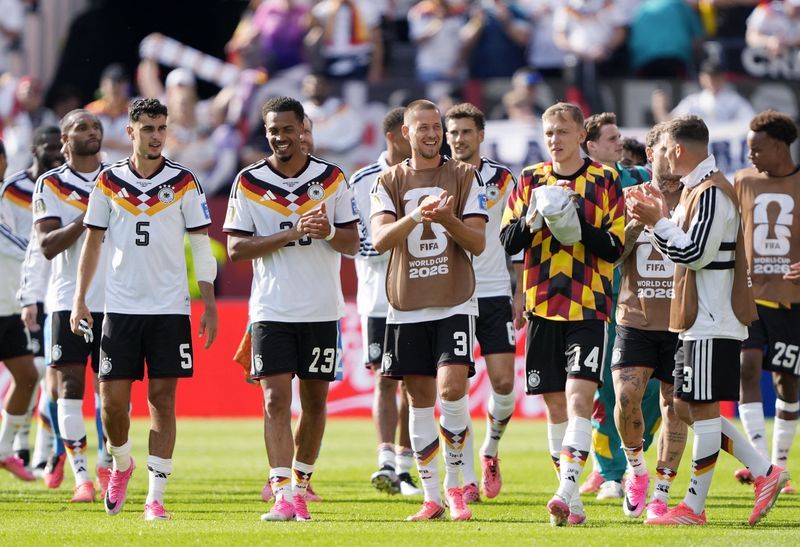
Deniz Undav's two clinical strikes off the bench powered Germany to an impressive 2-1 comeback victory over Ivory Coast in Toronto on Saturday, ensuring the four-time world champions would advance from Group E. The match highlighted the resilience of Julian Nagelsmann's squad, who overcame both on-field frustration and early adversity to seal a knockout spot for the first time since claiming the trophy in 2014.
Ivory Coast made the brighter start, opening the scoring through Franck Kessie in the first half. The midfielder capitalised on a rebound following Amad Diallo's attempt, which had been set up after Yan Diomande powered down the left flank and delivered a dangerous cross. This early breakthrough gave the West Africans genuine hope of upsetting the tournament favourites and capped an impressive run—they have now scored in each of their last seven World Cup matches, extending their longest such streak in the competition's history.
Germany's first-half performance, however, was undermined by two controversial disallowed goals that tested the patience of their supporters. In the 25th minute, midfielder Aleksandar Pavlovic rose decisively to meet a short corner but was penalised for fouling goalkeeper Yahia Fofana in the aerial contest. The decision provoked visible anguish from Pavlovic and audible displeasure from the German crowd, many of whom numbered among the 100,000-plus Toronto residents of German descent who had come to support Nagelsmann's men. The frustration deepened when Jamal Musiala's finish was also ruled out after the referee judged a foul in the build-up against Odilon Kossounou.
Despite their ill fortune, Germany refused to abandon their approach. The team's intricate, possession-based style—characterised by precise passing combinations—gradually imposed itself on the match as the half progressed. They registered eight attempts on goal before the interval, suggesting control even if the scoreboard told a different story. This composure would prove decisive.
Undav's introduction from the bench transformed Germany's attacking threat. In the 68th minute, the versatile striker equalised with a controlled volley that demonstrated technical quality and composure under pressure. Eight minutes later, he doubled Germany's advantage with a poacher's finish, receiving the ball on the turn before swivelling and dispatching a low shot past Fofana. The performances marked another impressive chapter in Undav's recent form—he has now scored nine goals across his last eight appearances, an extraordinary scoring run that underscores his value to the German setup.
Ivory Coast fought back with determination, searching for a leveller that might have altered the narrative. Simon Adingra fashioned a golden late opportunity in the area but hesitated fatally and failed to work a clear shooting chance. This miss proved costly as Germany's defence held firm, and the hosts subsequently launched a counter-attack that nearly extended their lead when substitute Nathaniel Brown's low drive was blocked by Fofana.
The match exemplified the unpredictable nature of tournament football, where fine margins and officiating decisions combine with individual quality to determine outcomes. Germany's progression, earned through second-half superiority, demonstrated the value of experience and mental fortitude—traits essential for teams harbouring World Cup ambitions.
With their victory, Germany claimed top position in Group E with six points and have mathematically secured their place among the final 32 teams. Ivory Coast, meanwhile, remain third with three points from two matches and must regroup for their final group fixture. Ecuador and Curaçao were scheduled to meet in Kansas City later that Saturday, with results elsewhere potentially reshaping the group's final standings.
Germany's remaining Group E assignment comes against Ecuador on Thursday in New Jersey, a fixture that could determine top spot in the section. Ivory Coast will travel to Philadelphia to face Curaçao, knowing that the tournament's knockout phase requires teams to begin afresh—previous group-stage performances count for nothing once the last 16 commences. For the West Africans, the challenge now is to arrest their momentum and engineer an upset or secure an unlikely passage beyond their current stage.

