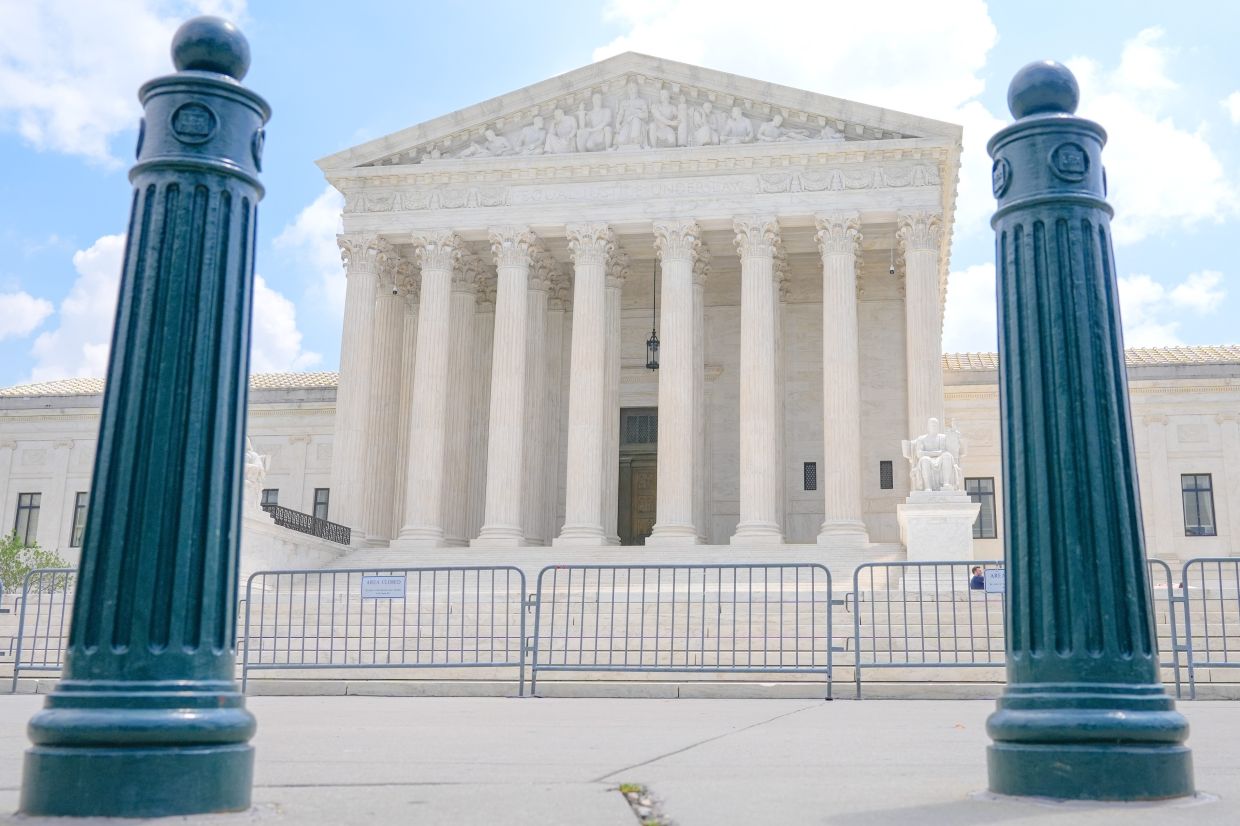
The United States Supreme Court has cleared the way for Texas to enforce its controversial law mandating age verification for applications downloaded through digital stores, rejecting emergency requests from technology industry groups and civil liberties advocates. Justice Samuel Alito issued two terse one-sentence orders denying the petitions without providing detailed reasoning or inviting oral arguments, a procedural move that effectively permits the law to move forward despite ongoing constitutional disputes about its validity.
The Texas App Store Accountability Act represents a significant effort by the state to impose stricter controls over what minors can access through their mobile devices. The legislation requires application stores to verify the age of users attempting to download programs, effectively creating a gatekeeping mechanism that state officials argue protects children from inappropriate content, invasive data harvesting practices, and deceptive business models designed to exploit young users. Supporters of the measure contend that parents lack sufficient tools to supervise their children's digital consumption, and that technology companies have systematically failed to implement adequate safeguards on their own platforms.
The legal journey of this law has been turbulent since its inception. In December of the preceding year, a federal district court judge determined that the legislation violated the First Amendment by unconstitutionally restricting access to protected speech, effectively blocking its implementation. However, in June, a three-judge panel from the 5th US Circuit Court of Appeals reversed that decision and suspended the lower court's injunction, paving the way for enforcement. The Supreme Court's refusal to intervene now removes the final major obstacle to the law's activation, barring any additional legal challenges that might emerge.
The opponents challenging the law read like a roster of major voices in the American political and technology landscape. The Computer & Communications Industry Association, a powerful trade group representing major technology firms, filed suit alongside Students Engaged in Advancing Texas, an organisation composed of younger citizens concerned about digital freedoms. Both organisations named Texas Attorney General Ken Paxton as the defendant, making him the face of the state's enforcement efforts. The plaintiffs' legal teams have mounted vigorous constitutional arguments grounded in decades of First Amendment jurisprudence.
Advocates opposing the law argue that age verification requirements function as a blunt instrument that inevitably restricts legitimate access to protected content. Their briefs emphasize that news articles, educational resources, and other constitutionally protected materials exist within many applications, and that wholesale restrictions on downloading apps effectively amounts to censorship of this content. The lawyers representing Students Engaged in Advancing Texas contended that the law improperly substitutes government judgment for parental authority, claiming that families should determine appropriate content exposure rather than state bureaucrats.
Parental rights and governmental authority collide at the centre of this dispute. The civil liberties brief specifically highlighted what it characterised as the law's dangerous presumption that government should dictate how parents supervise their children's digital lives. This framing invokes long-established constitutional principles about parental autonomy and family decision-making, suggesting that the state has overstepped its legitimate sphere of influence. The argument appeals to fundamental American beliefs about family privacy and the limits of government intrusion into household decisions.
Texas officials offer a starkly different perspective on the law's purpose and effects. Attorneys representing Paxton's office characterise the legislation as a straightforward protective measure addressing genuine harms that technology companies have permitted to flourish. They point to the cascade of concerns created by unrestricted app access, including children's exposure to invasive data collection practices, privacy violations, and manipulation through addictive design features. The state's lawyers argue that app stores function as the primary distribution channel through which all manner of harmful content reaches children, and that age verification at the point of download represents a proportionate response to documented problems.
The implications of this ruling extend far beyond Texas's borders. As states grapple with how to regulate technology companies' relationship with minors, the Texas model may serve as a template for similar legislation in other jurisdictions. The precedent established by the Supreme Court's inaction suggests that courts may increasingly defer to state efforts to impose content restrictions framed as child protection measures, even when those measures burden technology platforms and restrict access to some protected speech. This could embolden other state legislatures to pursue comparable laws, potentially creating a patchwork of age verification requirements across the country.
For Malaysian and Southeast Asian observers, the Texas decision offers instructive lessons about the ongoing tension between protecting young people in digital environments and preserving open access to information. Many countries in this region struggle with similar challenges: how to shield children from exploitation while maintaining robust free expression guarantees. The American approach, emphasizing market-based solutions and parental responsibility, contrasts sharply with more interventionist regulatory models adopted in some Asian jurisdictions. Texas's decision to implement mandatory age verification reflects broader anxieties across Western democracies about technology platforms' influence on youth, anxieties that are equally present in rapidly digitalising Asian economies.
The Supreme Court's silence on the constitutional questions at stake deserves attention. By refusing to hear the case, the justices avoided making sweeping pronouncements about age verification systems, First Amendment protections, or the scope of parental authority in digital contexts. This procedural manoeuvre leaves fundamental questions unresolved for future litigation, even as it permits Texas to move forward. Industry observers expect continued legal challenges in lower courts, particularly regarding how the law will be administered and whether its practical implementation creates the dire consequences that critics predict.
Texas Attorney General Ken Paxton has positioned this law as part of a broader campaign to rein in technology companies' power over American youth. His office joins an expanding movement of Republican state officials who view tech platform regulation through a protective lens, arguing that companies have captured regulatory processes and evaded accountability for harms to minors. This political framing differs markedly from earlier conservative opposition to government regulation of business, reflecting shifting conservative priorities regarding technology sector power and youth protection. The law now enters its implementation phase, where the real practical and legal consequences will become apparent to technology companies, parents, and young users across Texas.

