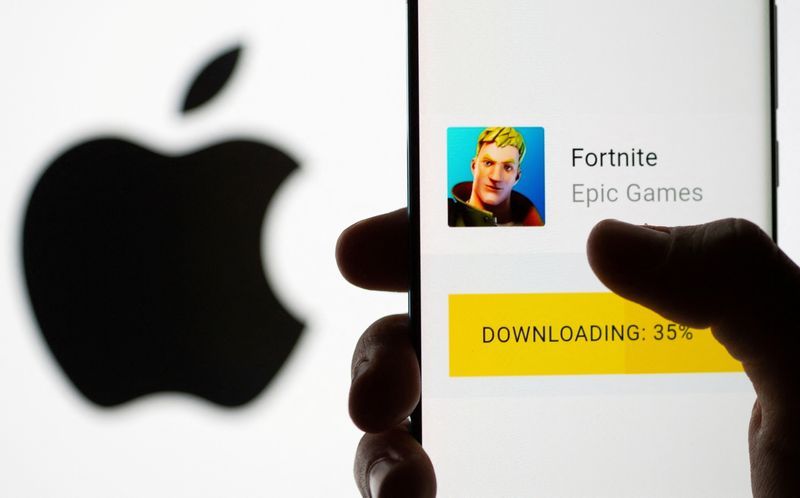
The United States Supreme Court has agreed to review Apple's challenge against a contempt conviction stemming from its protracted legal dispute with Epic Games, the maker of the popular Fortnite gaming platform. This development represents a significant escalation in one of technology's most closely watched antitrust battles, with far-reaching implications for how the world's largest companies can control digital distribution channels. The high court's decision to take the case signals that questions about Apple's obligations following lower court rulings have become significant enough to warrant the justices' attention when the new legal term begins in October.
The underlying dispute traces back to Epic Games' 2020 challenge to Apple's tight control over its App Store, the exclusive gateway through which users download applications onto iPhones and other iOS devices. Epic contested Apple's commission structure and restrictions on how developers could direct consumers to alternative payment methods outside Apple's own payment system. The lawsuit touched on fundamental questions about whether a technology giant can leverage its control of a device's operating system to extract substantially higher fees from app creators than competitors might demand.
Judge Yvonne Gonzalez Rogers, presiding over the case in the US District Court in Oakland, California, initially ruled largely in Apple's favour in 2021, though she issued an injunction requiring the company to permit developers to include links in their apps directing users to non-Apple payment systems. This order represented a partial victory for Epic, creating the first real crack in Apple's formerly airtight control over the commercial ecosystem around iOS. However, the implementation of this injunction became the flashpoint for the current controversy.
Apple's response to the injunction revealed the complexity of enforcing court orders against sophisticated technology companies. While the firm technically allowed the links to alternative payment methods, it simultaneously introduced new restrictions that many observers argue substantially undermined the injunction's intent. Most notably, Apple imposed a 27 per cent commission on purchases made through third-party payment systems within seven days of a user clicking a link directing them away from the App Store, compared to the 30 per cent it charges within its own system. Epic contended that this fee structure effectively nullified the court's mandate, since developers would face nearly identical costs regardless of which payment method they chose.
The contempt finding came when Judge Gonzalez Rogers determined in 2025 that Apple had indeed violated her injunction through these new restrictions. This civil contempt ruling carried significant implications, suggesting that the court viewed Apple's actions as deliberately circumventing rather than complying with the judicial order. Epic had essentially argued that Apple engaged in technical compliance while violating the spirit of the ruling. The San Francisco-based 9th Circuit Court of Appeals subsequently upheld the contempt finding in December but opened a new procedural avenue by allowing Apple to argue before the district court about what commission rate it should legitimately be permitted to charge on covered purchases.
Apple's appeal to the Supreme Court centres on several interconnected arguments that reveal the company's broader concerns about the scope of potential remedies. The technology giant has stressed that the injunction should not be interpreted as extending to millions of developers beyond Epic Games itself, suggesting that the court's order could be narrowly tailored rather than representing a sweeping change to how Apple conducts business across its entire platform. This framing attempts to limit the precedential impact of the ruling and constrain how other developers or regulators might invoke the decision in their own disputes with Apple.
The company has also emphasized to the Supreme Court that regulators worldwide are monitoring this case to determine what commission structures Apple will be permitted to maintain on purchases made through third-party payment systems. This argument acknowledges the global significance of the dispute and suggests that any Supreme Court decision could reshape how technology companies structure their digital storefronts internationally. For smaller nations and developing economies that lack the regulatory infrastructure to challenge tech giants independently, the outcome of such high-profile American litigation often effectively sets the standard.
For Malaysian and Southeast Asian readers, this case carries particular relevance given the region's growing digital economy and the dominance of Apple's iOS platform among affluent consumers in markets like Singapore, Malaysia, and Thailand. The resolution of questions about fair commission rates and payment flexibility could influence how technology companies operate throughout the region. Southeast Asian app developers and small technology businesses have a stake in the outcome, as do consumers who may eventually benefit from more competitive pricing if payment restrictions are loosened.
The Supreme Court's decision to hear the case also reflects broader judicial recognition that antitrust questions involving digital platforms have matured into issues of constitutional and statutory significance worthy of the highest court's attention. Similar regulatory challenges to Apple's practices are simultaneously unfolding in Europe, where the Digital Markets Act has already begun reshaping the company's business practices, and in other jurisdictions worldwide. The American Supreme Court's interpretation of what constitutes compliance with court orders against technology giants could influence how other courts and regulatory bodies approach comparable disputes.
The contempt issue itself represents an unusual dimension of antitrust litigation, as it focuses not on whether Apple violated competition law initially but on whether the company subsequently violated a court order meant to remedy that harm. This distinction matters because civil contempt findings can carry serious consequences, including fines and other sanctions designed to coerce compliance. Apple's challenge to the contempt finding therefore goes to the heart of how courts can enforce remedies against sophisticated actors who may attempt creative interpretations of judicial directives.
The case will likely consume significant judicial resources and attention throughout the coming term, given the stakes for the technology industry and the careful attention regulators worldwide will pay to the decision. How the Supreme Court resolves questions about the appropriate scope of the injunction, the legitimacy of Apple's fee structure, and what constitutes adequate compliance with court orders could reverberate through technology regulation globally for years to come.

