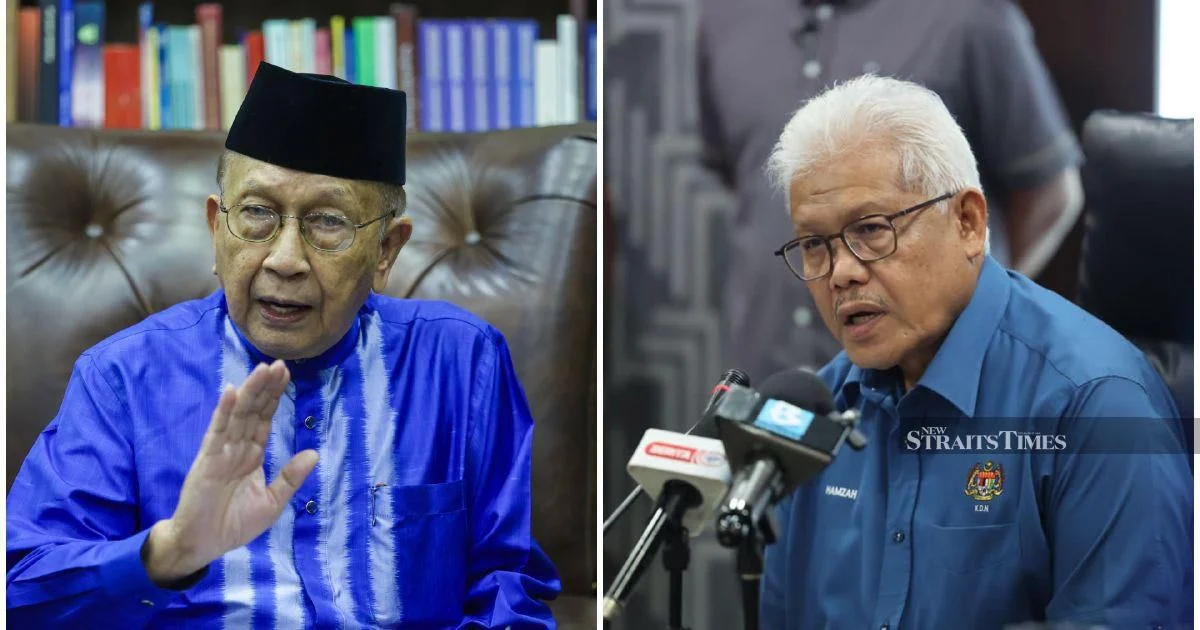
Parti Wawasan Negara (Wawasan) has unveiled its comprehensive central leadership framework, assembling an array of political veterans, former office-holders, current lawmakers, and seasoned professionals to anchor the party's institutional development. The appointment marks a significant milestone for the newer political formation, signalling its ambition to establish credible governance structures as it seeks to expand its footprint in Malaysia's competitive political landscape.
The leadership composition reflects a deliberate strategy to balance experience with professional expertise. By drawing on figures who have served in ministerial capacities and parliamentary roles, Wawasan aims to leverage accumulated institutional knowledge and policy-making acumen. This approach differs markedly from some emerging political movements that rely heavily on charismatic individual leaders rather than distributed administrative capacity. The inclusion of professionals from non-political backgrounds suggests the party seeks to broaden its appeal beyond traditional political networks and position itself as governance-focused rather than ideology-driven.
The appointment of Hamzah and Rais Yatim to helm the leadership line-up carries particular symbolic weight. Both figures carry substantial political pedigree and track records spanning multiple decades of national politics. Their involvement lends the party institutional legitimacy and suggests that Wawasan has successfully attracted high-profile political figures willing to invest their reputations in its future. Such recruitment of established names often serves as a confidence signal to potential supporters and financial backers evaluating whether a political vehicle warrants backing.
For Malaysian voters and observers, the leadership structure provides clearer insight into how Wawasan intends to operate and what values it purports to champion. The presence of former ministers indicates the party likely aspires toward eventual government participation rather than serving as a permanent opposition or protest movement. This positioning has implications for how the party might negotiate with other political actors and whether it could emerge as a coalition partner in future governmental arrangements.
The inclusion of current members of parliament within the central leadership ensures that Wawasan maintains direct linkage to parliamentary operations and legislative processes. Parliamentarians bring practical understanding of procedural requirements, stakeholder management, and the realities of constituency representation. This ground-level connection between parliamentary work and central party leadership can enhance organisational coherence and reduce the disconnect that sometimes plagues parties where political hierarchy operates separately from legislative representation.
The professional dimension of Wawasan's leadership structure warrants closer examination. In Malaysian political context, establishing non-politician positions within party hierarchies serves multiple functions: it can enhance policy credibility, attract talent from corporate and civil society sectors, and project an image of pragmatic governance. Professionals may also help bridge the party to business communities, academic institutions, and civil society organisations that maintain distance from purely political structures. This diversification of leadership backgrounds potentially expands Wawasan's constituency and influence networks.
The timing of this announcement deserves consideration within Malaysia's broader political context. As established political coalitions face internal pressures and voters increasingly express dissatisfaction with traditional options, space exists for emergent political formations to position themselves as alternatives. Wawasan's formal leadership announcement may be timed to capture attention during periods when major coalition partners face internal turbulence or when public confidence in existing political arrangements erodes. By presenting a fully formed leadership structure, Wawasan signals readiness and seriousness to observers assessing whether to commit time or resources to the party.
The professional backgrounds of the appointed leaders warrant scrutiny from those seeking to understand Wawasan's likely policy directions. Leadership teams drawn from particular sectors—finance, law, military, education—often carry implicit policy orientations. The specific composition may indicate whether Wawasan leans toward business-friendly policies, state-centric approaches, or particular ideological frameworks. Malaysian voters evaluating new political options typically assess leadership composition to infer likely governance priorities should the party eventually hold power.
Regionally, Wawasan's leadership announcement reflects broader Southeast Asian trends toward political fragmentation and the emergence of new political vehicles. Thailand, Philippines, and Indonesia have all witnessed the rise of newer political parties seeking to displace entrenched coalitions by positioning themselves as reform-oriented alternatives. Wawasan's evolution follows similar patterns, though the Malaysian institutional environment, electoral system, and existing coalition structures create distinctive constraints and opportunities.
The relationship between Wawasan's central leadership and grassroots party structures remains to be tested. Many emerging political parties face challenges translating impressive central leadership into effective local party organisation, membership mobilisation, and campaign capabilities. The presence of experienced politicians and professionals in leadership positions does not automatically translate into operational effectiveness at divisional or branch levels. Wawasan's ultimate political significance will depend on its capacity to build institutional depth beyond the centre.
For Malaysian political observers, Wawasan's leadership announcements provide material for assessing whether the party represents genuine institutional innovation or primarily reflects existing political figures seeking new platforms. The composition suggests serious aspirations toward substantive political engagement rather than flash-in-the-pan protest politics. However, the party still requires demonstrated capacity to translate leadership credibility into electoral performance, policy delivery, and sustained voter support to achieve meaningful impact on Malaysia's political trajectory.
Moving forward, attention will likely focus on Wawasan's ability to articulate coherent policy platforms, maintain internal cohesion among diverse leadership personalities, and successfully contest upcoming electoral cycles. The party's leadership structure provides necessary organisational foundation, but political success ultimately depends on message resonance, grassroots effectiveness, and capacity to navigate Malaysia's complex multi-communal and multi-faith political environment where coalition-building and consensus-seeking remain essential to governance.

