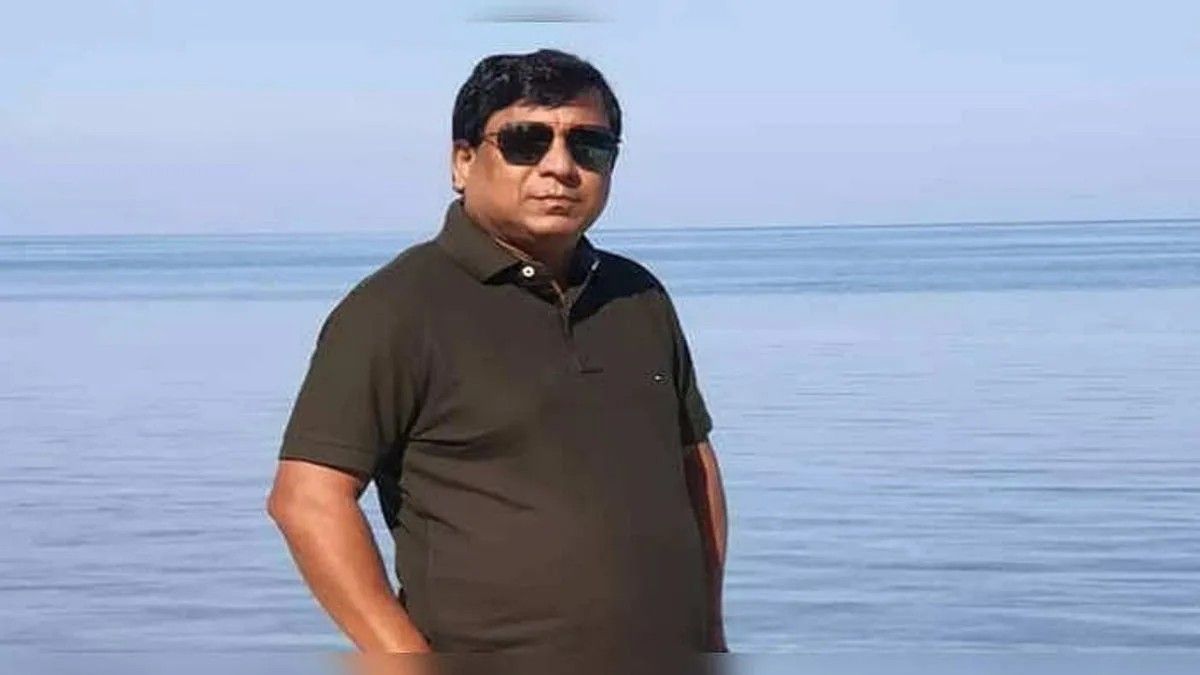
Birbhum Police in West Bengal have initiated an intensive manhunt for Mohammad Nazibullah, commonly known as Tulu Mondal, following a series of coordinated raids across his properties that have exposed what authorities describe as substantial undeclared wealth. The operation intensified after the state Assembly elections, with law enforcement officials issuing a lookout notice as Mondal is suspected of having fled the country alongside his wife, daughter, son-in-law and local Trinamool Congress leader Abdul Barik Biswas before the election results were announced. According to police investigations, Mondal has since relocated to Dubai, from where he allegedly continues to manage his extensive business interests across Birbhum district through intermediaries.
The scale of assets that authorities have begun documenting reveals a sprawling commercial empire. Chief Minister Suvendu Adhikari disclosed that law enforcement has frozen Rs93 crore across multiple bank accounts in Mondal's name and seized 242 high-end vehicles from various residences and storage facilities. The asset-attachment process extends beyond vehicles, with police initiating proceedings against 21 immovable properties including seven residential houses, several farmhouses, two petrol stations, two stone-crushing units and approximately 300 bighas of agricultural land. The comprehensive nature of these asset seizures suggests authorities view this as a high-priority financial crime investigation with implications for understanding informal wealth accumulation networks in the state.
A particularly revealing moment came when police conducted a 15-hour intensive search at Mondal's luxury residence in Suri, where they discovered the scale of personal amenities including a gymnasium, spa, swimming pool and party lounge. The raid team, led by DSP Surajit Mondal, DSP Sourav Bhattacharya and Suri Police Station Inspector-in-Charge Shailendra Upadhyay, recovered Rs8 lakh in cash and 150 grams of gold ornaments during this single operation. Subsequent simultaneous raids targeted his ancestral property in Sonsthol, multiple petrol station facilities and truck parking operations in Mohammad Bazar, with each location yielding documents and materials that authorities are examining as part of the broader investigation.
The connection between Mondal and the political establishment surfaced through his alleged proximity to Trinamool Congress circles, particularly his relationship with Abdul Barik Biswas, who has a documented history in smuggling operations. Biswas himself faced arrest by customs authorities in 2014 on gold smuggling charges, with the Enforcement Directorate subsequently attaching properties valued at Rs20 crore in 2015. According to investigative agencies, Biswas financed gold smuggling operations running from Bangladesh into India by channelling proceeds from cross-border cattle trafficking networks. These operations operated in coordination with Enamul Haque, identified as the alleged mastermind of a transnational cattle-smuggling organisation, who has been arrested by both the Enforcement Directorate and the Central Bureau of Investigation in connection with the same criminal nexus.
The public spotlight on Mondal's wealth intensified dramatically following the marriage ceremony of his daughter, Salma, earlier this year, an event that became emblematic of extraordinary ostentation in the region. The wedding reportedly consumed Rs150 crore and attracted top-tier celebrities from Bollywood, Tollywood and the music industry alongside prominent political figures, effectively transforming it into a statement of influence and resources. The production values were staggering, with international décor firms flown in to construct a venue modeled after the Taj Lake Palace in Udaipur. The groom's dramatic entrance featured a chariot procession accompanied by private security personnel dressed as ancient Greek warriors, and the spectacle effectively shut down major roads in Mohammad Bazar for two consecutive days, with access restricted solely to guests bearing specially designed security identification wristbands. This wedding became a watershed moment for public scrutiny, raising questions about the origins of such concentrated wealth in a region not typically associated with legitimate commercial enterprises of that magnitude.
The investigation has extended to Mondal's immediate family members, with his brother-in-law Minar Mondal arrested following a raid at his residence in Deucha village. Police seized over Rs50 crore in cash and gold from this single location, with the court ordering eight days of police custody for questioning. During interrogation, Minar Mondal reportedly acknowledged that the seized assets belonged to Tulu Mondal and had accumulated through operations described as "syndicate activities," a term that law enforcement officials use when referring to networks engaged in smuggling and other organised illegal activities. This admission provides direct evidential linkage between the financial assets being seized and the broader criminal enterprise that authorities allege Mondal has orchestrated.
The documentary trail of Mondal's operations continues to emerge as authorities piece together evidence from multiple locations. Local residents recently intercepted a vehicle transporting sacks of documents from one of Mondal's farmhouses, and when questioned, the driver revealed that Mondal's management team had instructed him to conceal papers containing sand and stone transportation permits and billing documents. This attempted document destruction suggests that Mondal's enterprises extend beyond the obvious luxury goods into legitimate-appearing business operations that may have served as cover for illicit financial flows. The fact that such operational instructions were still being executed after his departure indicates the sophistication of the management structure he left behind.
The quantity and nature of valuables discovered during searches underscore the depth of Mondal's asset accumulation. In addition to currency and conventional jewellery, Birbhum Police recovered 15 kilogrammes of 24-carat gold bars and biscuits sourced from manufacturers in Switzerland and Dubai, highlighting the international dimension of his wealth management. Birbhum Superintendent of Police Vidit Raj Bhundesh indicated that these precious metals represent assets accumulated through multiple syndicate operations, suggesting coordinated activity across various illegal revenue streams rather than proceeds from any single source.
For Malaysian observers, this case illustrates patterns of wealth accumulation and political connections that transcend borders in South Asia. The nexus between smuggling operations—whether cattle or precious metals—running across the Bangladesh-India border mirrors similar smuggling networks operating across maritime boundaries in Southeast Asia. The investigation reveals how informal financial networks, political patronage and luxury consumption serve as interconnected elements of organised crime ecosystems. The scale of assets being attached, particularly the 242 vehicles and extensive real estate holdings, demonstrates how smuggling proceeds are typically laundered through apparent legitimate purchases. The international dimension, with Mondal allegedly directing operations from Dubai, illustrates the mobility of criminal actors once they achieve sufficient wealth to escape national jurisdiction.
The ongoing nature of the investigation suggests that authorities are only beginning to unravel the full extent of Mondal's operations. Police officials have stated that raids continue and additional asset attachments are anticipated as financial investigations deepen. The case has attracted attention from multiple agencies including the Enforcement Directorate and Customs authorities, suggesting coordination that typically occurs only in cases authorities regard as involving substantial criminal proceeds or national security implications. For the Birbhum region, the investigation represents an unprecedented assertion of regulatory authority over wealth accumulated through informal channels, signalling a potential shift in how state governments approach organised crime and asset recovery.
The implications extend beyond law enforcement to questions about regulatory oversight and political accountability in West Bengal. The documented links between Mondal's operations and TMC political figures have prompted scrutiny of relationships between regional power structures and commercial enterprises operating in grey zones between legitimacy and criminality. The wedding incident exposed how concentrated wealth can translate into displays of power that reshape public spaces, raising broader governance questions about what such extravagance signals about administrative oversight. As the investigation progresses and additional assets surface, the case will likely become a reference point for discussions about transparency, asset declaration and the monitoring of unexplained wealth in Indian politics.

