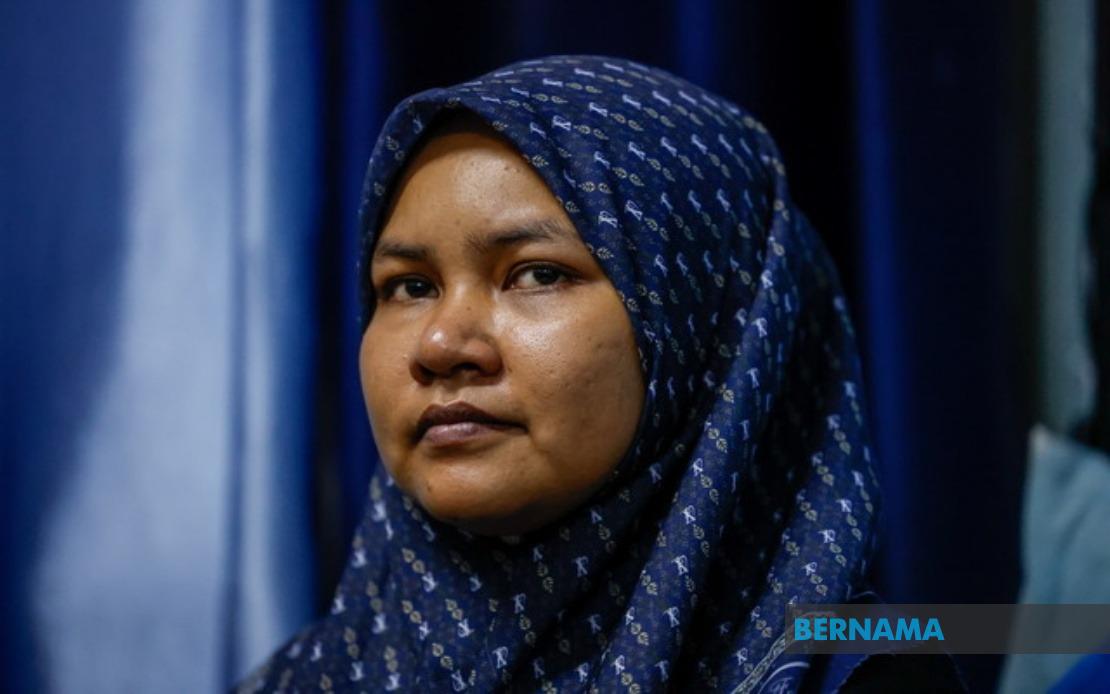
The widow of Amirul Hafiz Omar, a 33-year-old delivery rider who lost his life after being struck by a vehicle on Jalan Raya Barat in Klang, is moving forward with plans to seek RM1 million in civil damages against the driver implicated in the March 29 incident. According to her legal representative, Lawyer Nur Iffah Hizwani Omar, the formal proceedings are anticipated to commence next month, contingent on the completion of necessary administrative formalities.
The case represents a significant legal development in an already high-profile tragedy that has raised fresh concerns about road safety and substance abuse-related driving incidents in Selangor. The accused driver, R. Saktygaanapathy, 28, has been charged in connection with the fatality, with the investigation revealing troubling circumstances surrounding the collision. The civil action underscores the financial and emotional toll such incidents inflict on families left behind, prompting survivors to pursue remedies through the courts.
The legal team's preparation has been methodical and comprehensive. Nur Iffah explained that while the writ of summons and statement of claim have already been drafted on behalf of Nor Nadia Abdul Majid, the victim's 32-year-old widow, the actual filing must await formal issuance of a Letter of Administration. This administrative document, critical in cases involving deceased persons' estates, was expected to be approved by the Kuala Lumpur High Court on July 28, enabling the legal process to advance without further delays.
A crucial component of establishing the damage claim involves documenting the deceased's full financial circumstances. The legal team is actively gathering supplementary income records from the e-hailing company through which Amirul Hafiz undertook delivery work. These documents are essential for calculating the precise quantum of damages, as they will demonstrate the deceased's earning capacity and the financial loss his family now faces. The comprehensive financial picture will strengthen the widow's position when the suit is eventually filed at the Shah Alam High Court.
Nor Nadia's emotional journey since her husband's death illustrates the profound personal impact of such tragedies beyond the legal and financial dimensions. Speaking to media representatives at the Klang Court Complex, she revealed that the true weight of her loss only crystallised three months after the incident. In the immediate aftermath, she described an almost surreal experience where her husband's absence did not feel entirely real, as though he had simply departed for another work shift. The passage of time, however, has brought with it an intensifying realisation of her new reality.
The widow's grief is particularly acute when she observes her children navigating their daily lives. She reflected on her late husband's steadfast dedication to their wellbeing, noting how his daily routine revolved around their needs. Every morning before work, Amirul Hafiz would personally escort them to school, and regardless of weather conditions, he would collect them at midday to share meals together. This ritual of paternal devotion has now become Nor Nadia's responsibility, serving as a painful reminder of what her family has lost.
The criminal proceedings have followed a complex trajectory. R. Saktygaanapathy was initially charged on April 1 under Section 302 of the Penal Code for murder in relation to the March 29 incident. Because murder falls under High Court jurisdiction, no plea was recorded at the magistrate's level. Subsequently, on June 3, he entered a not guilty plea to an amended charge under Section 15(1)(a) of the Dangerous Drugs Act 1952, specifically for self-administering tetrahydrocannabinol (THC), the psychoactive component of cannabis. This modification of charges suggests investigative developments regarding the circumstances surrounding the collision.
The emergence of drug-related charges within this case brings into sharp focus the persistent problem of substance-impaired driving in Malaysia. When drivers operate vehicles while under the influence of drugs or alcohol, the consequences can be catastrophic and irreversible. The incident on Jalan Raya Barat serves as a stark reminder of the dangers posed by such recklessness, particularly for vulnerable road users like delivery riders who comprise an increasing proportion of the workforce engaged in the gig economy.
For Malaysian families who depend on gig economy workers, this case underscores the precarious nature of such employment and the inadequacies in existing safety protections. Delivery riders, like Amirul Hafiz, often work extended hours on congested roads with minimal safeguards beyond standard traffic regulations. The civil suit being pursued represents not merely a financial claim but a statement about accountability and the responsibility of all road users to exercise care and sobriety when operating motor vehicles.
The timeline ahead remains crucial. Nor Nadia's legal team, headed by Nur Iffah, has confirmed that barring unforeseen complications, the RM1 million civil suit will be filed during August. The claim amount, currently set at RM1 million, may be adjusted once the deceased's complete financial records from the e-hailing platform are obtained and analysed. This suit, while pursuing monetary compensation, also sends a broader message about the consequences of negligent and reckless driving.
As this case progresses through both criminal and civil courts, it will likely attract continued attention from road safety advocates, workers' rights organisations, and policy makers considering how to better protect gig economy participants. The outcome may influence future discussions about insurance requirements for delivery platforms, workplace safety standards for independent contractors, and the enforcement of traffic laws against impaired drivers. For Nor Nadia and her children, the legal process represents both a pursuit of justice and an acknowledgment of the irreplaceable loss they have endured.

