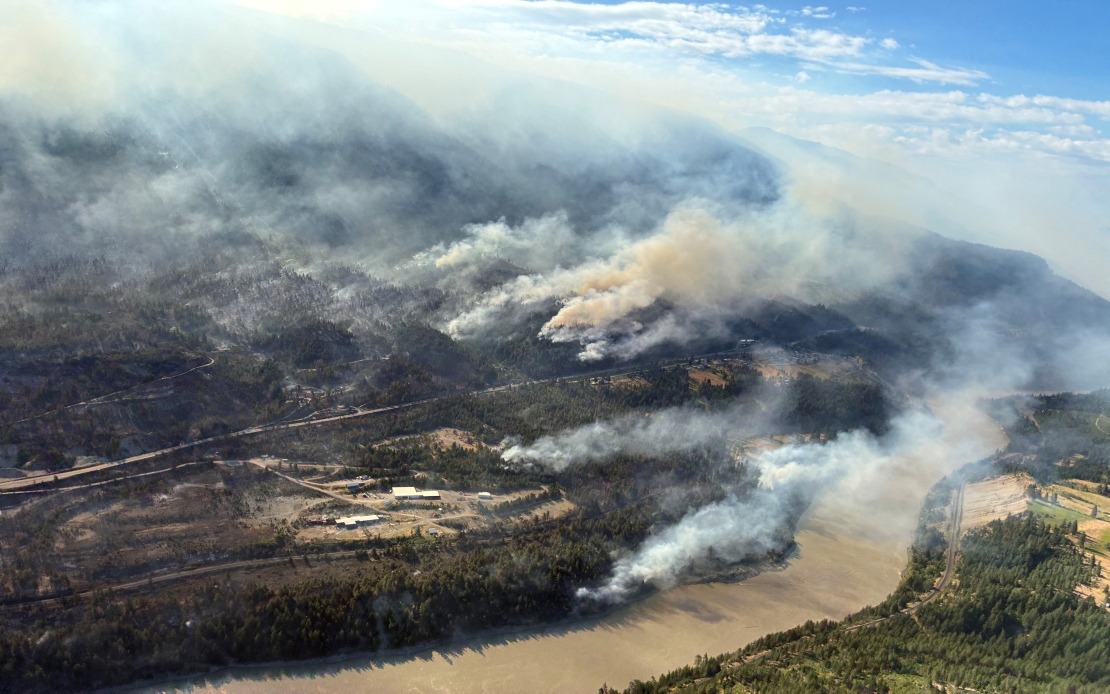
A Cessna O-1 "Bird Dog" aircraft engaged in wildfire suppression crashed in Canada's Northwest Territories on Thursday, resulting in the deaths of all three crew members aboard. The aircraft went down near Fort Simpson while actively conducting aerial fire-suppression operations against wildfire FS009-26, according to authorities. NWT Fire, the territorial agency responsible for wildfire management and coordination, confirmed the fatal incident through a social media statement, describing it as a serious crash rather than the initially reported "serious incident."
The downed aircraft was part of ongoing efforts to combat FS009-26, a naturally occurring fire that ignited on June 23 in the Marten Hills area within the Dehcho region of the Northwest Territories. At the time of the crash, this particular fire remained out of control and had already consumed approximately 100 hectares of forest and brush. The loss of this aircraft removes critical aerial firefighting capacity from a region already stretched thin battling multiple simultaneous blazes.
Investigation into the crash has been initiated by the Royal Canadian Mounted Police in coordination with the N.W.T. Environment and Climate Change Ministry. Authorities have been dispatched to the crash site to examine the wreckage, determine contributing factors to the accident, and officially confirm the status of the three passengers. The investigation will prove crucial in understanding whether mechanical failure, weather conditions, or other operational factors contributed to the tragedy.
The crash underscores the dangerous nature of wildfire suppression work in remote northern regions. Aircraft like the Cessna O-1, a proven workhorse in fire management operations, operate in challenging conditions including unpredictable smoke, extreme heat from fires, turbulent air currents, and difficult terrain. These aircraft provide essential reconnaissance, fire spotting, and aerial coordination capabilities that ground crews cannot replicate, making their loss particularly impactful during peak fire season.
The incident occurs amid an exceptionally active wildfire season in the Northwest Territories. As of June 25, the territory was contending with 28 active wildfires that had collectively affected approximately 91,400 acres of land. The scope of these blazes demonstrates the severity of conditions across the region, with 19 fires classified as out of control, four being held at their current perimeter, five under control, and eight extinguished. This distribution indicates that firefighting resources remain overwhelmed across much of the territory.
The Dehcho region, where the fatal crash occurred, has become a focal point of wildfire activity. This remote area in the southern portion of the Northwest Territories, characterized by boreal forest and limited road access, depends heavily on aerial assets for both fire suppression and personnel movement. The loss of a dedicated wildfire aircraft will necessitate reallocation of remaining resources, potentially affecting response times and suppression effectiveness on other active fires throughout the region.
Wildfire suppression operations in northern Canada face inherent complications beyond those encountered in more southern jurisdictions. The vast distances involved, sparse infrastructure, limited ground-based access, and challenging weather patterns all conspire to make aerial operations essential yet fraught with difficulty. The Cessna O-1, designed and refined over decades of service in firefighting, represents the kind of specialized aircraft that has become indispensable in these operations despite their inherent risks.
For Southeast Asian readers, the crash highlights the broader challenges facing wildfire management across geographically expansive regions with limited infrastructure. Malaysia and other ASEAN nations, which face seasonal transboundary haze from wildfire activity in Indonesia and other neighboring countries, can observe how even well-developed nations struggle with coordinating large-scale fire suppression. The incident demonstrates both the critical importance of aerial assets in combating regional fires and the human cost that wildfire operations can exact on trained personnel.
The incident will likely prompt reviews of wildfire suppression protocols, aircraft utilization practices, and safety procedures across Canadian fire management agencies. Additional focus may be placed on pilot training, weather monitoring integration, and operational decision-making frameworks designed to minimize risks while maintaining suppression effectiveness. Such reviews typically result in enhanced safety measures that eventually become standardized across the firefighting community.
The three fatalities represent a significant loss not only to their families but to the wildfire management community that depends on experienced, dedicated personnel. Wildfire suppression attracts professionals willing to work in hazardous conditions to protect communities and natural resources. Each loss reinforces the dangers inherent in these operations and the sacrifice made by those who engage in them during peak fire season across remote regions.

