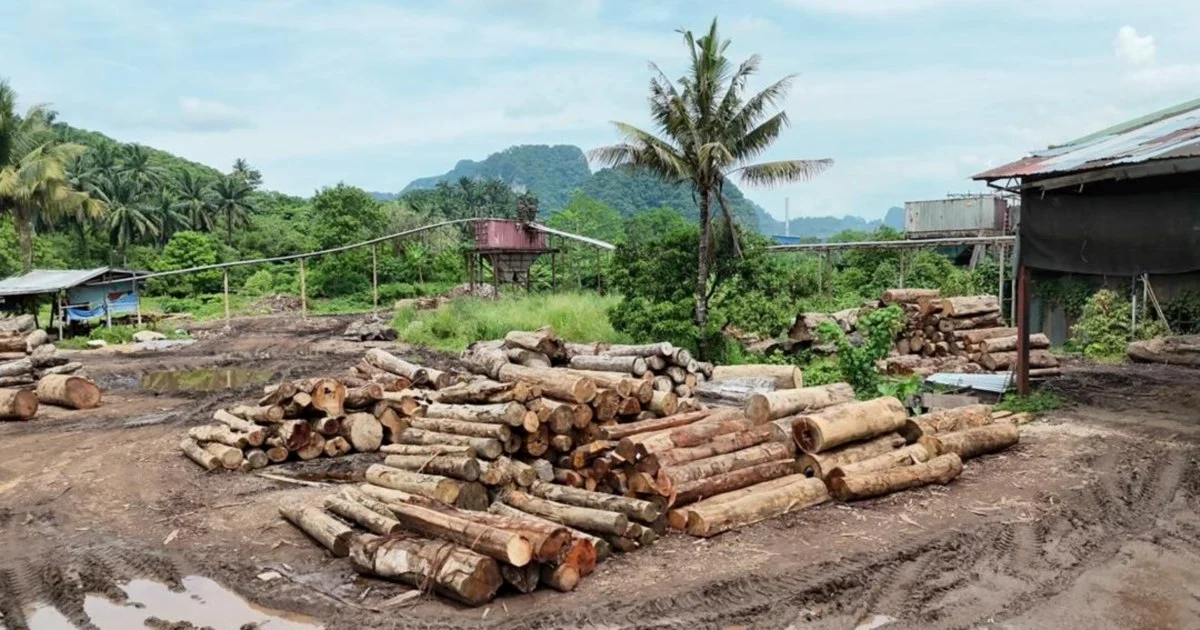
Wildlife and forestry authorities have intensified their fight against illegal timber operations on Malaysia's east coast, announcing the detention of 11 suspects following simultaneous raids across Kelantan and Terengganu. Among those apprehended were four Indonesian nationals, highlighting the cross-border dimensions of the timber trafficking problem that has plagued the region for years. The coordinated enforcement action, which resulted in the seizure of timber and associated equipment worth more than RM2.43 million, represents a substantial blow to organised illegal logging networks that have been operating with relative impunity across these states.
The raids underscore the persistent challenge posed by illegal timber extraction in Malaysia's forest-rich peninsular states. Kelantan and Terengganu, which together contain significant tracts of natural forest and plantation areas, have long been focal points for enforcement agencies tackling unauthorised logging. The involvement of foreign nationals in these operations reflects a larger pattern where transnational criminal syndicates exploit Malaysia's forest resources, often moving harvested timber across borders for processing or sale in regional markets. The detection and apprehension of Indonesian citizens suggests that wildlife and forestry authorities are making progress in tracking supply chains that extend beyond national boundaries.
The monetary value of seized materials—RM2.43 million—indicates the substantial economic stakes involved in these operations. Illegal timber trade generates significant profits for criminal networks while simultaneously depriving legitimate forest concessionaires of income and the Malaysian government of tax revenue and resource royalties. The recovered machinery, alongside the confiscated timber itself, represents capital assets that would have been deployed repeatedly in further illegal extraction operations had they not been discovered. This seizure therefore carries implications extending well beyond a single criminal case, potentially disrupting the operational capacity of involved networks across multiple sites.
The detention of 11 individuals provides authorities with opportunities to conduct comprehensive investigations into the structure and reach of illegal logging syndicates. Malaysian law enforcement increasingly recognises that effective action against timber crime requires understanding not merely individual offences but the entire value chain—from forest-level extraction through transport, processing, and eventual sale. Interrogation of arrested individuals may yield intelligence about middlemen, processing facilities, corrupt officials who facilitate operations, and ultimate end-buyers, potentially triggering cascading enforcement actions elsewhere in the country or region.
Cross-border cooperation remains essential to combating these networks effectively. The presence of Indonesian nationals among the arrested suspects reflects operational realities where Malaysian forests attract exploitation by regional criminal elements, often because enforcement capacity or penalties may differ across borders. Enhanced intelligence-sharing arrangements and coordinated patrols between Malaysian and Indonesian authorities have shown promise in other contexts and appear increasingly necessary as timber trafficking networks adapt their tactics to exploit gaps in enforcement coverage.
The east coast region's vulnerability to illegal logging reflects multiple overlapping factors. Forested areas in Kelantan and Terengganu remain geographically remote in places, making sustained surveillance difficult despite technological advances. Market demand for illegally sourced timber persists, particularly where operators seek to undercut prices of legitimately harvested material. Corruption among officials responsible for forest management or enforcement—while not universally present—remains a concern that permits known illegal operations to continue functioning. These structural factors suggest that enforcement actions alone, however successful individually, cannot permanently suppress illegal logging without corresponding attention to institutional reform and market-level interventions.
The recovery of specific timber and machinery holdings provides valuable intelligence beyond the confiscation itself. Analysis of timber species, dimensions, and processing methods can illuminate which forest areas are being targeted and help authorities prioritise patrols and surveillance in particularly vulnerable zones. Machinery recovered often bears identifying marks indicating original manufacturer, seller, and sometimes previous owner, creating investigative threads that extend investigations backward and forward through criminal networks. Such technical investigation increasingly supplements traditional interrogation-based approaches to criminal cases.
For Malaysia's forest industries and legitimate timber operators, enforcement successes provide some reassurance that government institutions remain committed to protecting forests from criminal exploitation. However, the recurrence of large-scale seizures suggests that illegal operations continue despite repeated crackdowns, indicating that deterrence remains incomplete. Penalties for timber trafficking, while substantial in many cases, may not fully account for the profitability of illegal operations, potentially explaining why criminal networks persist in undertaking risks.
The implications of this operation extend to Malaysia's international standing regarding environmental governance and rule of law. Global attention to tropical forest conservation has intensified, with international buyers increasingly scrutinising supply chains to ensure timber originates from legally managed forests. Successful enforcement against timber crime therefore supports Malaysia's efforts to maintain market access for legitimate forest products and protects the country's environmental credentials internationally. Conversely, persistence of large-scale illegal logging damages Malaysia's reputation as a responsible steward of its natural resources.
Looking forward, sustainability of enforcement success will depend on whether authorities maintain operational intensity following this visible crackdown. Criminal networks typically attempt to resume operations once enforcement pressure lessens, particularly if underlying incentive structures remain unchanged. Authorities will likely face pressure to demonstrate that today's seizures and detentions constitute part of sustained campaigns rather than episodic operations. Coordination between federal and state-level enforcement bodies, adequate resourcing for wildlife and forestry departments, and integration of environmental crime-fighting with broader regional security frameworks will collectively determine whether current momentum translates into lasting reductions in illegal timber extraction.

