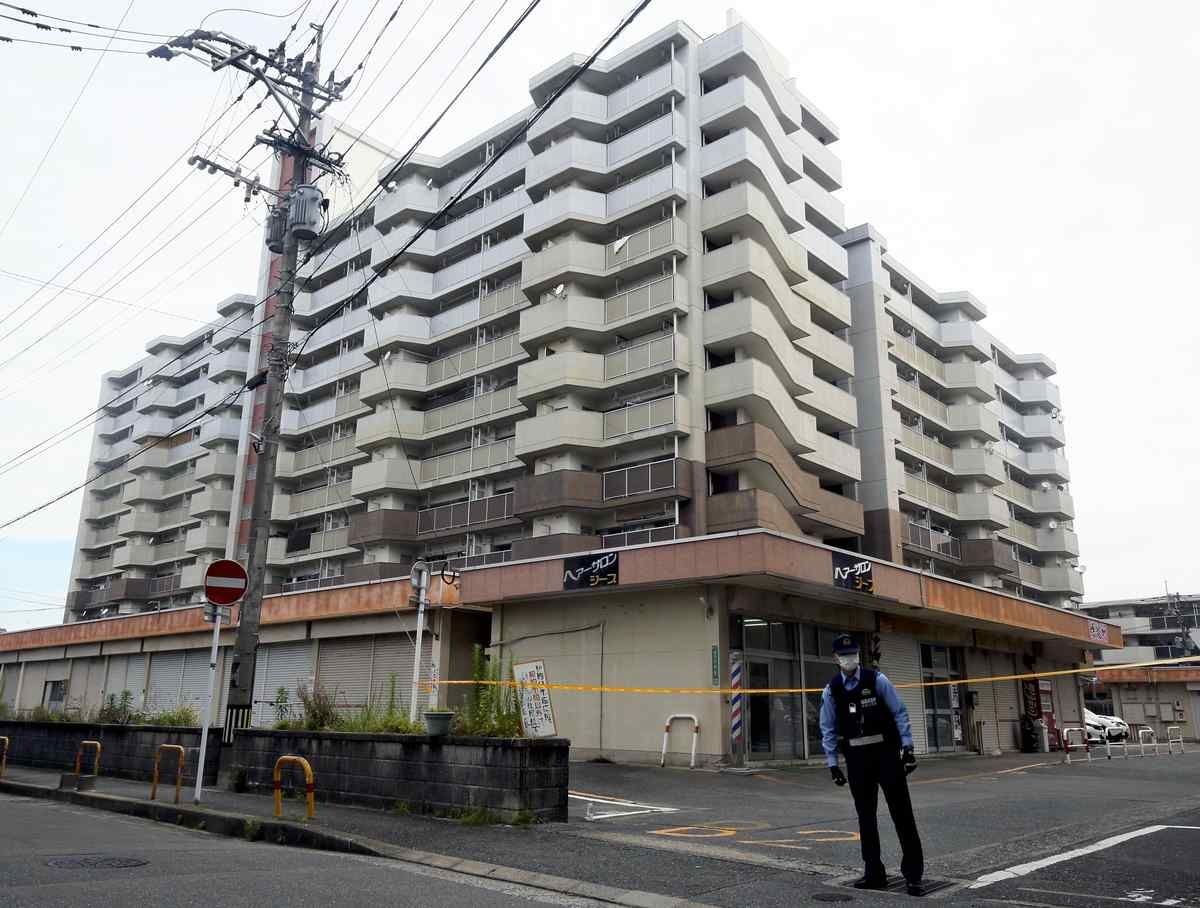
Japanese authorities have arrested a 36-year-old woman in connection with the fatal stabbing of a close friend in Fukuoka City. The incident unfolded in the early hours of Thursday, June 18, when officers from the Fukuoka Prefectural Police's Higashi Station responded to reports of violence at a residential property. Upon arrival, emergency responders transported the critically injured victim to a nearby hospital, where medical staff determined that injuries sustained during the attack proved fatal. Investigators have since upgraded the case from an initial attempted murder charge to a full murder investigation as they piece together the circumstances surrounding the violent confrontation.
According to police records, the victim, a 33-year-old woman, was subjected to a sustained knife attack at approximately 3.15am on Thursday morning. The suspect allegedly inflicted multiple stab wounds targeting the victim's neck and chest with a knife-like implement during the assault. The brutality of the attack and its execution in the domestic setting where the victim lived has raised significant alarm among local residents and prompted wider discussions about household safety in Japan. The weapon used in the incident remains a focal point of the ongoing investigation as forensic teams work to establish the precise sequence of events.
The most disturbing aspect of this tragedy is the presence of three elementary school-aged children occupying an adjacent room during the violent incident. The youngsters remained asleep throughout the attack, seemingly unaware of the life-threatening emergency occurring mere metres away from where they rested. This proximity to such a traumatic event has prompted child welfare officials to assess the psychological impact on the children and ensure they receive appropriate support during the aftermath. The fact that the children slept through the violence underscores the intensity and suddenness of the assault, as well as raising questions about the household dynamics that may have preceded the confrontation.
When questioned by investigators at Higashi Station, the 36-year-old suspect provided a straightforward admission of guilt. She confessed to the stabbing, stating: "It's true I did it. I stabbed her many times." This candid acknowledgment of her actions has eliminated considerable uncertainty regarding the perpetrator's identity and basic facts of the case, allowing detectives to focus their investigative resources on establishing motive and context rather than conducting extensive identification procedures. Her cooperation with authorities, however, does not mitigate the severity of the allegations or diminish the gravity of the consequences she now faces in the Japanese criminal justice system.
The circumstances that precipitated such a violent outcome between two individuals who shared a residential space remain under active investigation. Japanese law enforcement agencies are examining the relationship dynamic between the suspect and victim, searching for potential triggers or underlying grievances that may have culminated in this fatal encounter. Understanding the motivations behind domestic violence incidents of this magnitude is crucial for both the investigative process and for broader public safety considerations. The case highlights the complex and sometimes volatile nature of close relationships, where familiarity and proximity can occasionally transform into danger.
This incident reflects broader concerns about violent crime within residential settings across Japan. While the nation maintains relatively low homicide rates compared to many other developed countries, crimes involving intimate acquaintances or household members continue to present significant challenges for law enforcement and social services. The stabbing in Fukuoka City serves as a stark reminder that violence can erupt in seemingly ordinary households and that proximity to potential danger often exists closest to home. For the Southeast Asian region, where similar domestic violence concerns persist, such incidents underscore the importance of robust victim support networks and early intervention programmes.
The involvement of children as witnesses or bystanders to domestic violence carries profound implications for their long-term wellbeing and development. Japanese child protection authorities and mental health professionals are likely to conduct thorough assessments of the three elementary school-aged children to determine whether they require psychological counselling or other therapeutic interventions. The experience of losing a parent under such traumatic circumstances, even if they did not directly witness the violence, will require careful management by social services as these young people navigate an uncertain future without maternal care.
The case will now progress through Japan's criminal justice system, with the Higashi Station investigation team building a comprehensive case file documenting the evidence against the suspect. The transition from attempted murder charges to formal murder charges reflects the lethal outcome and the prosecution's determination that the suspect's actions resulted in unjustified loss of life. Japanese courts will examine aggravating and mitigating circumstances as the case develops, though the suspect's admission substantially simplifies the factual determination phase of proceedings.
For Malaysian and broader Southeast Asian observers, this incident offers perspective on how domestic violence transcends cultural and geographical boundaries. It underscores that established societies with strong rule of law frameworks continue to grapple with intimate partner and acquaintance violence, suggesting that prevention and intervention strategies must be multifaceted and culturally sensitive. The presence of vulnerable children in households experiencing violence remains a consistent concern across developed and developing nations alike, emphasising the universal need for comprehensive domestic violence prevention initiatives and trauma-informed support services.

