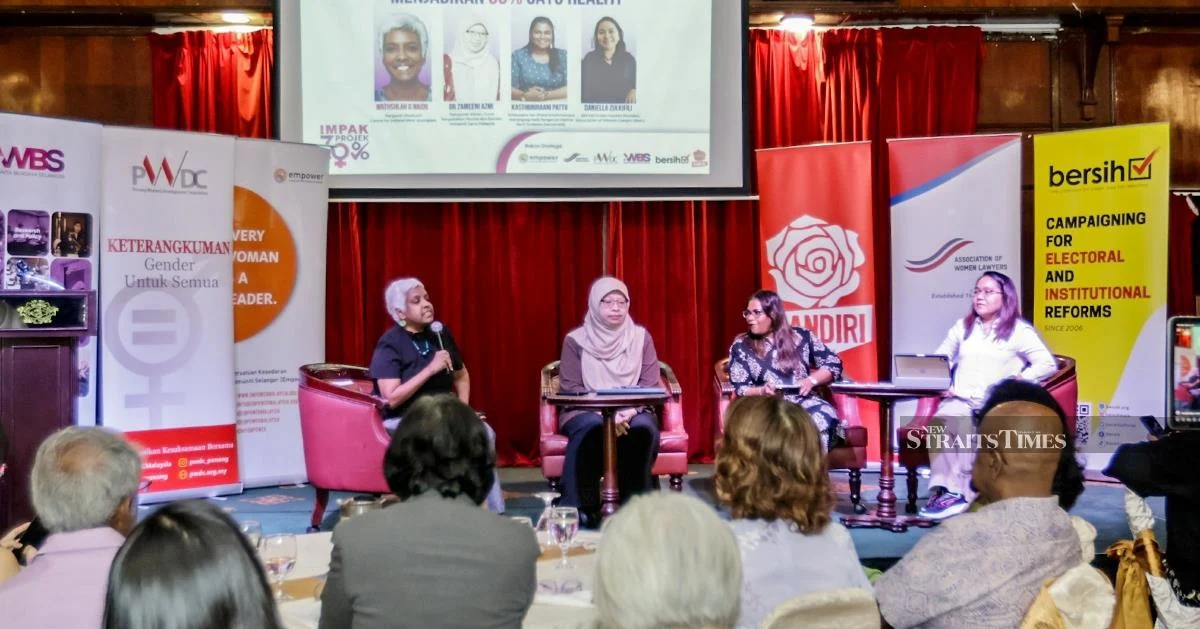
A broad coalition of civil society organisations delivered a memorandum and proposed legislative framework to Malaysia's government, urging that political parties be compelled to nominate a minimum of 30 per cent women candidates when fielding their slates for the next general election. The submission marks a strategic push to embed gender parity requirements into the electoral system ahead of what is expected to be GE16, representing a coordinated effort by advocacy groups to leverage legislative channels in pursuit of greater female political representation.
The 30 per cent threshold sits meaningfully above current participation rates for women in Malaysian parliamentary politics. Women currently account for a substantially smaller proportion of elected representatives in Parliament, reflecting longstanding structural barriers within party nomination systems and broader societal factors that have historically disadvantaged female political aspirants. The proposed quota would represent a transformative shift in how Malaysian political parties build their election machinery and select candidates across federal and state constituencies.
The timing of this intervention reflects growing regional momentum toward gender quotas in electoral politics. Comparable reform efforts have gained traction across Southeast Asia, with neighbouring jurisdictions exploring or implementing measures to boost female candidate numbers. Thailand, the Philippines, and Indonesia have pursued different policy approaches to address similar imbalances, providing both instructive examples and cautionary tales about implementation challenges that Malaysian policymakers would need to navigate.
The memorandum and draft legislation arrived during a period when questions about Malaysia's democratic performance and institutional diversity have assumed prominence in public discourse. International observers and domestic analysts have increasingly scrutinised whether Malaysia's political system adequately reflects the nation's demographic composition and whether it provides genuine pathways for underrepresented groups to exercise political influence. Gender representation intersects with these broader conversations about institutional legitimacy and inclusive governance.
For Malaysia's political parties, mandatory gender quotas would necessitate fundamental adjustments to candidate selection procedures and party internal governance structures. The largest parties in government and opposition would each face the challenge of identifying, nurturing, and promoting qualified female candidates across their respective organisational hierarchies and geographic networks. Such institutional change typically encounters resistance from entrenched interests within parties, particularly where nomination processes have traditionally favoured male candidates through patronage networks or informal gatekeeping mechanisms.
The 30 per cent figure represents a pragmatic middle position rather than parity. Some gender equality advocates internationally argue that 50 per cent quotas better reflect demographic reality, while others contend that gradual incremental targets present more politically feasible pathways to systemic change. The chosen threshold potentially reflects negotiations between advocacy coalitions regarding what threshold might attract sufficient political support while still achieving meaningful advancement in female representation.
From a Southeast Asian perspective, Malaysia's potential adoption of such measures would signal commitment to governance practices increasingly viewed as international norms. ASEAN nations have made varying commitments to gender equality through regional frameworks and international agreements, yet parliamentary representation remains persistently low across most member states. Malaysia's electoral system, which has no incumbent gender quotas at the federal level, lags behind some neighbours in this regard and represents untapped potential for leadership on gender equality within the region.
Successful implementation would require not merely legislative enactment but sustained enforcement mechanisms and party-level accountability measures. Governments across Asia have discovered that quota laws prove ineffective without clear sanctions for non-compliance and transparent monitoring systems. The coalition's draft legislation presumably addresses these implementation considerations, though the government's receptiveness to enforcement provisions will likely prove decisive in determining whether any resulting law creates genuine change or becomes a symbolic gesture.
The economic argument for gender quotas has increasingly influenced policymakers globally. Research linking female leadership to improved governance outcomes, enhanced parliamentary scrutiny, and broader inclusive economic participation has circulated through development institutions and business forums. Malaysian policymakers focused on international competitiveness and economic resilience may find these arguments complement purely equity-based justifications for reform.
Within Malaysia's specific context, the submission arrives as parties prepare for electoral competition and consider how demographic trends, youth engagement, and voter preferences might evolve before the next general election. Female voters constitute roughly half the electorate, and parties' capacity to nominate female candidates who resonate with diverse constituencies could influence electoral outcomes. The gender composition of candidate slates thus carries political economy dimensions beyond principled commitments to equality.
The coalition's strategy of submitting formal legislative proposals rather than relying solely on advocacy campaigns reflects sophisticated understanding of Malaysian policymaking processes. Such memoranda create official records that establish baseline positions, provide reference points for parliamentary debate, and can anchor subsequent negotiations with government and political parties. Success ultimately depends on political will among Malaysia's leadership to prioritise this reform among competing legislative priorities.
The submission represents a critical juncture for this reform effort. Government response will indicate whether gender representation advances as a policy priority or faces postponement as other concerns dominate legislative agendas. Political parties' stance will reveal whether competitive dynamics or genuine institutional commitment might drive candidate selection changes independently of legal requirements.

