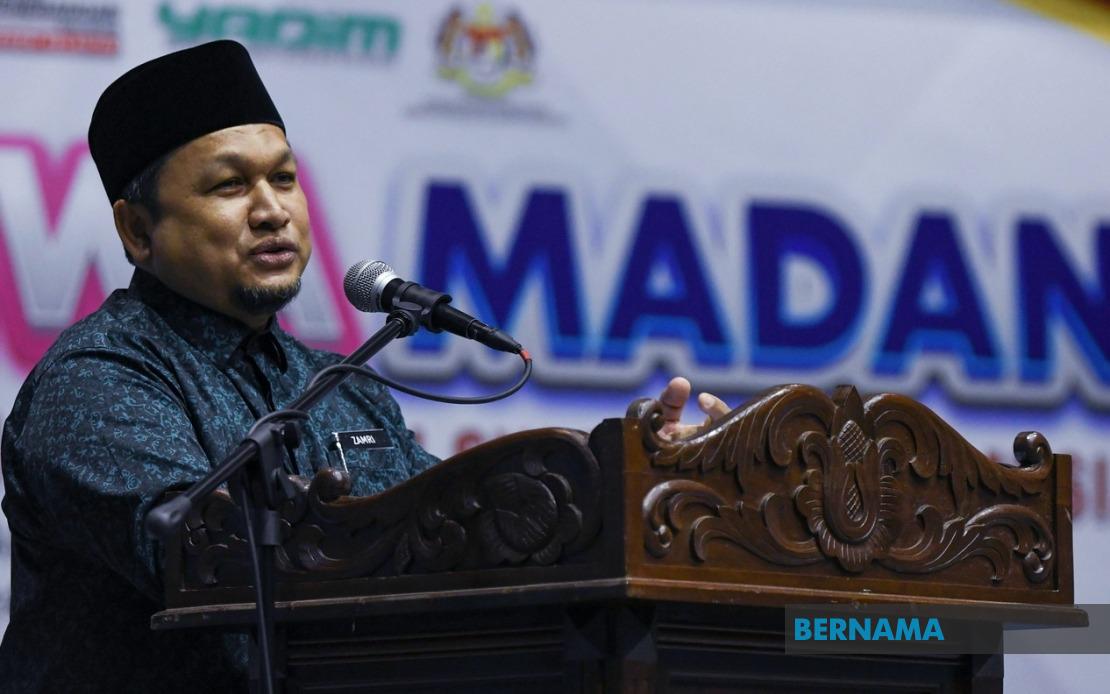
Malaysia's leading Islamic foundation has thrown its weight behind a government proposal to overhaul how religious speakers are verified on social media and online platforms. The Yayasan Dakwah Islamiah Malaysia (YADIM) says the accreditation framework represents an essential safeguard in an environment where anyone can claim religious authority without formal training or credentials. Speaking on behalf of the organisation, CEO Zamri Zainal Abidin emphasised that digital platforms have become the primary avenue through which Malaysians—particularly younger audiences—encounter Islamic teaching and religious guidance.
The push to regulate online preachers addresses a genuine vulnerability in Malaysia's digital religious landscape. Without verification mechanisms, individuals lacking rigorous grounding in Islamic jurisprudence can present themselves as qualified teachers, potentially leading congregants astray and damaging trust in legitimate religious institutions. Zainal Abidin stressed that the initiative aims not to suppress genuine dakwah work or erect barriers for sincere educators, but rather to establish clear benchmarks distinguishing qualified scholars from unqualified imposters who exploit public goodwill and digital anonymity.
The initiative was announced by Dr Zulkifli Hasan, Minister in the Prime Minister's Department (Religious Affairs), and has garnered YADIM's enthusiastic backing. As the government's dedicated dakwah agency operating under the Prime Minister's remit, YADIM is positioned to become a strategic partner in implementing this framework. The foundation has already been operating along these lines internally—its own cadre of trained preachers, including the Daie Muda programme participants, obtain formal accreditation from the Federal Territories Mufti Department, establishing precedent for the broader system now under consideration.
The stakes of the proposal extend beyond institutional credibility. Misinformation in religious contexts carries particular weight because it shapes how people understand their faith obligations, family relationships, financial decisions, and social responsibilities. Young Malaysians turning to TikTok, Instagram, and YouTube for religious content often lack the background knowledge to evaluate a speaker's qualifications or identify theological errors. An unaccredited preacher promoting unorthodox interpretations can sway large audiences before traditional religious authorities become aware of the problem. This dynamic has played out repeatedly across Southeast Asia, where viral religious videos have triggered public controversy and divisions within Muslim communities.
Implementing an accreditation system will require careful design to avoid unintended consequences. Malaysia must balance the need for quality control with respect for religious pluralism within Islam, avoiding a system that becomes a tool for suppressing legitimate theological debate or marginalising scholars outside mainstream institutions. The framework will need clear criteria defining what constitutes adequate Islamic training, mechanisms for appeals and updates, and transparent processes so preachers understand why they have or have not received accreditation. Successful implementation also demands coordination between federal and state authorities, given Malaysia's constitutional division of religious affairs.
The timing of this proposal reflects broader concerns about information quality in digital spaces across Malaysia and the region. Authorities have grown increasingly aware that social media's algorithmic amplification of engaging content—whether accurate or not—can distort public understanding of religious and political matters. An accreditation system for preachers represents one targeted intervention in this larger ecosystem problem. However, it will be most effective when coupled with digital literacy campaigns helping young Malaysians develop skills to evaluate sources independently and recognise red flags in religious content.
YADIM's public support carries institutional weight that may influence other religious organisations and civil society groups to embrace the framework. As a well-established body with direct ties to the government and credibility among Islamic scholars and educators, YADIM's endorsement suggests the proposal enjoys backing from Malaysia's mainstream Islamic establishment. This foundation-level consensus could facilitate smoother implementation compared to frameworks imposed without consultation or community buy-in. Other countries attempting similar initiatives have discovered that religious communities' voluntary participation dramatically improves compliance and effectiveness.
The accreditation proposal also addresses economic dimensions of online preaching often overlooked in policy discussions. Some unaccredited preachers generate substantial income through donations, merchandise, and sponsorships, creating financial incentives for individuals to claim religious authority they do not possess. An accreditation system introduces competitive pressure on such individuals to either formalise their training or risk losing credibility with audiences who begin expecting verified credentials. This economic realignment could redirect resources toward genuinely qualified educators.
For Malaysian audiences, this development signals government and institutional commitment to managing religious discourse in the digital age—a challenge that will only intensify as online platforms grow more central to how people form beliefs. Success or failure in implementing this framework will influence how Malaysia manages other sensitive areas of digital information, from political content to health claims. The initiative also carries regional significance; other Southeast Asian countries grappling with similar challenges in their Muslim-majority or Muslim-minority populations may study Malaysia's approach for insights into what works and what pitfalls to avoid when governments attempt to regulate digital religious speech.

