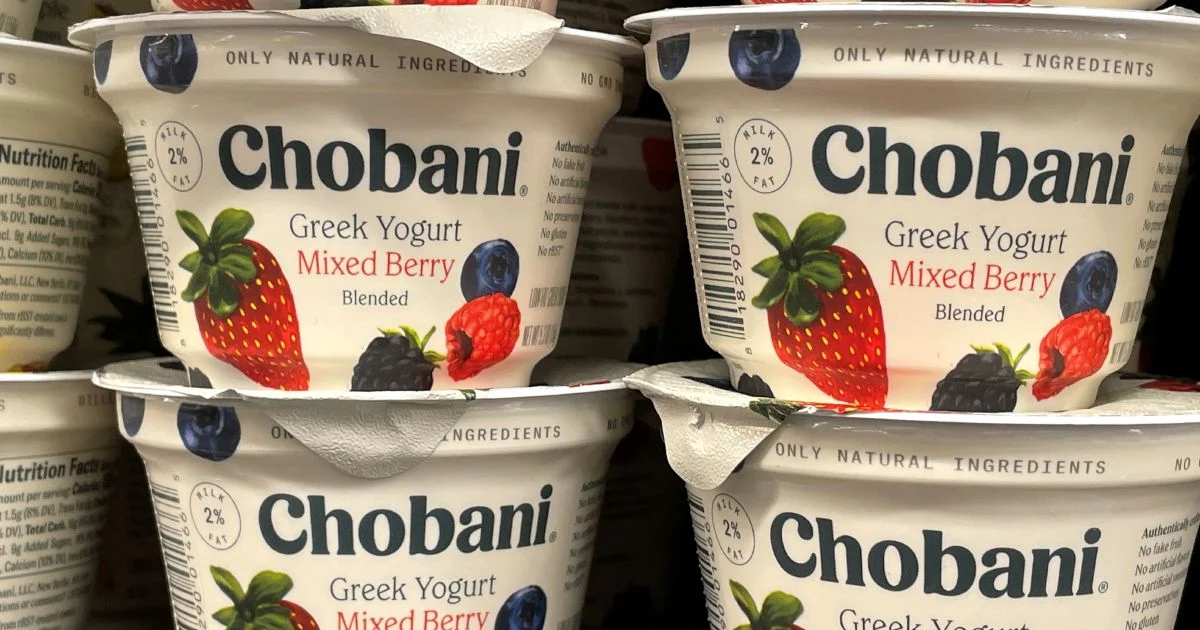
The intensifying dispute between Danone and Chobani over protein claims reveals the mounting stakes in the yoghurt market, where both companies are vying for dominance amid a fundamental shift in consumer behaviour. Danone, the French multinational dairy conglomerate, has initiated legal proceedings against its American counterpart Chobani, targeting assertions the latter makes regarding protein content in its products. This confrontation transcends routine commercial rivalry; it underscores how seriously major food manufacturers now treat the emerging opportunity presented by weight-loss medication users.
The broader context is crucial for understanding why two established industry players are willing to engage in costly litigation over labelling practices. GLP-1 receptor agonists, a category of medications originally developed for diabetes management, have experienced explosive popularity following their adoption for weight management. Semaglutide, marketed as Ozempic and Wegovy, alongside tirzepatide sold as Mounjaro and Zepbound, have transformed how millions approach weight control globally, including in Southeast Asia where obesity rates are climbing. Users of these medications typically experience reduced appetite and altered food preferences, yet they still require adequate nutrition during and after treatment.
Yoghhurt has emerged as a surprising beneficiary of this pharmaceutical revolution. Unlike many indulgent foods facing declining consumption as GLP-1 users become more selective eaters, yoghurt occupies a uniquely advantageous position. It is nutrient-dense, particularly in protein content, satisfies quickly due to its texture and richness, and aligns with the health-conscious identity many weight-loss medication users cultivate. For manufacturers, this represents a rare growth opportunity in an otherwise sluggish global dairy sector. Danone and Chobani both recognise that capturing a share of this expanding segment could meaningfully affect their market performance and profitability.
Danone's decision to pursue legal action signals its perception of Chobani as a formidable competitive threat rather than a minor irritant. The French company, which operates major brands across multiple categories and owns significant yoghurt lines itself, typically reserves litigation for disputes involving genuine commercial damage. By taking this step, Danone essentially acknowledges that Chobani's marketing claims—particularly regarding protein amounts—are resonating with consumers and potentially capturing market share that Danone considers rightfully its own. The protein emphasis is especially significant because GLP-1 users and their healthcare providers place substantial emphasis on maintaining muscle mass during weight loss, making protein content a primary purchasing criterion.
Chobani's rise to prominence over the past decade has been extraordinary by industry standards. The Turkish-American founded company entered the United States yoghurt market relatively recently compared to established competitors but rapidly captured consumer attention through Greek yoghurt products that featured notably higher protein levels than conventional offerings. This positioning allowed Chobani to command premium pricing and build a loyal consumer base. The brand became synonymous with protein-rich yoghurt in many Western markets, a perception Danone clearly wants to challenge or undermine through legal channels.
The protein claims dispute reflects a broader pattern in food litigation where manufacturers increasingly scrutinise competitors' labelling as regulatory environments tighten globally. Governments and consumer advocacy groups have intensified focus on food marketing accuracy, particularly regarding health-related claims. If Danone successfully demonstrates that Chobani has overstated or misleadingly represented protein content, it could force reformulation, relabelling, or marketing changes that damage the challenger's brand equity. Conversely, should Chobani prevail, it validates its positioning and potentially emboldens similar claims across its product range.
For Malaysian and Southeast Asian consumers, this transatlantic dispute carries relevance beyond mere corporate theatre. As GLP-1 medications gain availability and acceptance in the region—though still restricted compared to Western markets—local dairy consumption patterns will likely shift similarly. Malaysian yoghurt manufacturers and importers should monitor how this legal outcome influences international standards for protein claims and labelling requirements. Companies importing Greek yoghurt or developing local alternatives may need to adjust marketing strategies based on precedents established through Danone-Chobani litigation.
The timing of this conflict also reflects deepening market maturation. Both companies have likely calculated that the GLP-1 opportunity window will remain open for several years before either saturation occurs or competing products emerge. Securing market position now establishes brand loyalty and distribution advantages that persist even if medication adoption plateaus. This explains the willingness to engage in expensive legal proceedings that might otherwise seem disproportionate to the immediate dispute at hand.
Beyond the immediate protein question, this lawsuit illuminates how weight-loss medications are reshaping food industry competition and strategy. Companies across segments—from confectionery to beverages to snacks—are reassessing their portfolios and marketing approaches. Products once considered indispensable may require repositioning or discontinuation if GLP-1 adoption continues accelerating. Yoghurt's fortunate positioning as both nutritious and satisfying represents an outlier; most traditional food categories face headwinds.
The resolution of Danone's claims against Chobani will likely establish important precedent for protein labelling standards and substantiation requirements. Regulators in various jurisdictions will watch closely, as will competitors considering similar legal challenges. A victory for Danone might embolden other established manufacturers to challenge emerging rivals, while a Chobani success would reinforce that protein-centric marketing can withstand scrutiny and remain legally defensible.
Looking ahead, the broader implication is clear: the convergence of pharmaceutical innovation, dietary awareness, and commercial competition is reshaping how food companies operate. The yoghurt market exemplifies this transformation, where a relatively routine dairy product has become strategically vital. Danone and Chobani's willingness to litigate over protein claims reflects recognition that GLP-1 adoption represents a once-in-a-generation market shift, and whoever captures the loyalty of these newly health-conscious consumers during this pivotal moment will reap substantial long-term rewards. For the global dairy industry, this dispute is merely a harbinger of far more dramatic competitive battles ahead.

