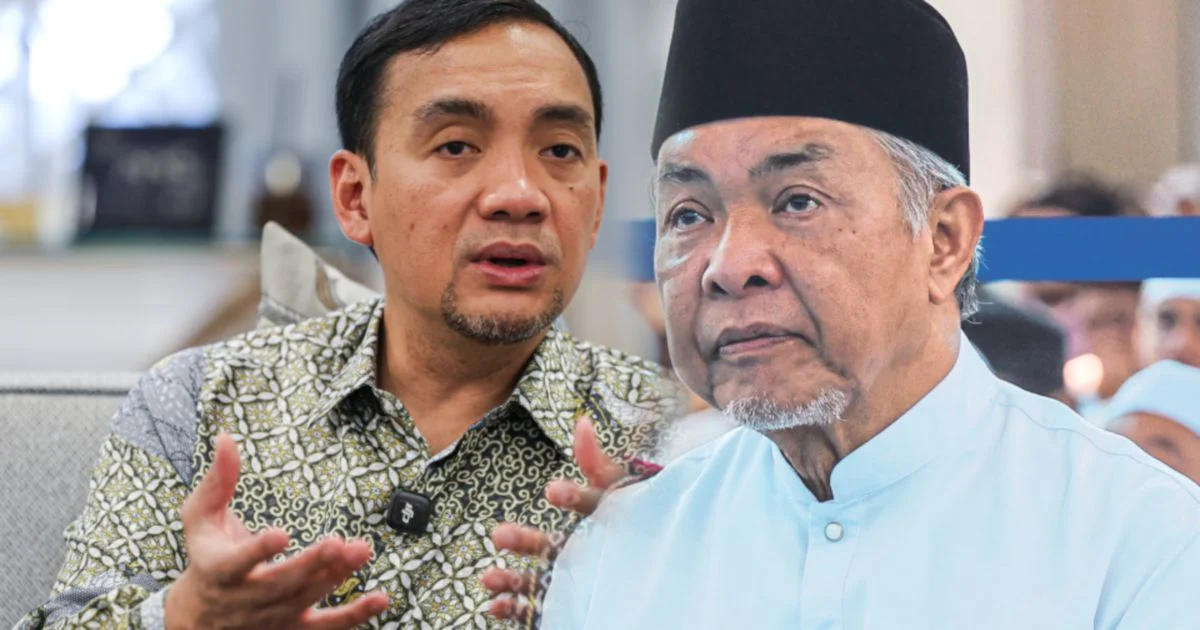
Deputy Prime Minister Datuk Seri Zahid Hamzah has moved to clarify that the caretaker Johor Menteri Besar Datuk Onn Hafiz Ghazi faces no formal prohibition against visiting Federal Land Development Authority (Felda) settlements across the state, refuting suggestions of any coordinated effort to limit his movement or access to these constituencies.
The statement represents an attempt to defuse mounting speculation about internal tensions within Umno's power structure in Johor during the lead-up to the state elections. Since stepping into the caretaker role following the dissolution of the Johor state assembly, Onn Hafiz has faced questions about his operational capacity to campaign and govern, with observers noting apparent restrictions on his public movements compared to his predecessors.
Felda settlements occupy significant political territory across Johor, representing a crucial voting bloc that has historically determined electoral outcomes in the state. These federally-developed agricultural communities house tens of thousands of settlers and their families, making their allegiance instrumental for any political coalition seeking to retain or capture control of the state assembly. Understanding the political importance of these communities is essential to grasping why any suggestion of access restrictions would trigger immediate clarification from senior party officials.
Zahid's public denial carries particular weight given his position as deputy prime minister and his continued influence within Umno's national hierarchy. His intervention suggests that allegations of obstructing Onn Hafiz's campaign activities had reached sufficient prominence to warrant official comment from the party's second-ranking national leadership. The denial itself, however, does not necessarily address underlying questions about practical impediments the caretaker menteri besar may encounter when attempting to organise political activities.
The distinction between formal instructions and informal arrangements remains analytically crucial here. While Zahid explicitly states that no official directive bars access, such clarifications leave open the possibility of de facto limitations arising from administrative procedures, security protocols, or logistical complications that might functionally constrain a political figure's ability to campaign effectively without requiring an explicit written prohibition.
Onn Hafiz's position as caretaker menteri besar carries inherent constraints compared to a fully-elected chief minister, limiting his executive authority and political capital. During election periods, caretaker administrations operate under strict conventions preventing them from making major policy announcements or undertaking actions that could be perceived as campaigning at state expense. These built-in limitations mean that even without deliberate obstruction, a caretaker figure operates with significantly reduced scope for political manoeuvre.
The timing of Zahid's statement occurs amid broader pre-election positioning within Johor's political landscape. Multiple coalitions and party factions are jockeying for advantage as the state moves toward elections, and perceptions of internal party dysfunction or unfair treatment can meaningfully influence voter sentiment. Clear public messaging that no official bar exists against the caretaker menteri besar's activities serves to project unity and professionalism before voters.
Felda settlements have historically demonstrated distinct political characteristics, often showing greater loyalty to Umno during periods of perceived party stability and organizational effectiveness. Any public impression of Umno leadership deliberately hampering its own state-level representative could undermine party credibility among settler communities who expect their political representatives to retain functional capacity. Zahid's statement thus serves to reassure this constituency that party management remains functional and procedurally sound.
The broader context of Malaysian caretaker politics reveals ongoing tension between constitutional conventions requiring caretaker impartiality and the practical reality that caretaker chief ministers remain accountable for state-level party politics. This tension occasionally produces situations where caretaker figures face genuine constraints on their ability to engage in campaign activities, whether through formal instruction or administrative convenience.
Johor's electoral significance within Malaysian politics amplifies scrutiny of any irregularities or perceived unfairness in how the state administration conducts itself during transition periods. The state has consistently delivered substantial parliamentary and state assembly seats to the ruling coalition, making electoral stability there strategically important for federal-level governance. Political observers in the region have consequently maintained close attention to any developments suggesting internal disarray within Umno's Johor machinery.
Moving forward, the practical question becomes whether Onn Hafiz can effectively utilize the access that Zahid has now publicly affirmed he possesses. Campaign effectiveness depends not merely on formal permission but on organizational capacity, resource allocation, and the political machinery's willingness to facilitate activities. The deputy prime minister's statement establishes the official position but leaves operational dynamics dependent on implementation across multiple administrative layers.
The incident illustrates recurring challenges that caretaker administrations in Malaysia navigate between maintaining democratic proprieties and preserving a ruling party's campaign capacity. Clear guidance from senior leadership can help prevent misinterpretation, but ambiguity often persists regarding what caretaker officials can realistically accomplish when formal restrictions do not exist but practical constraints do. Zahid's clarification contributes to establishing governance standards, even if questions about substantive campaign viability remain incompletely addressed.

