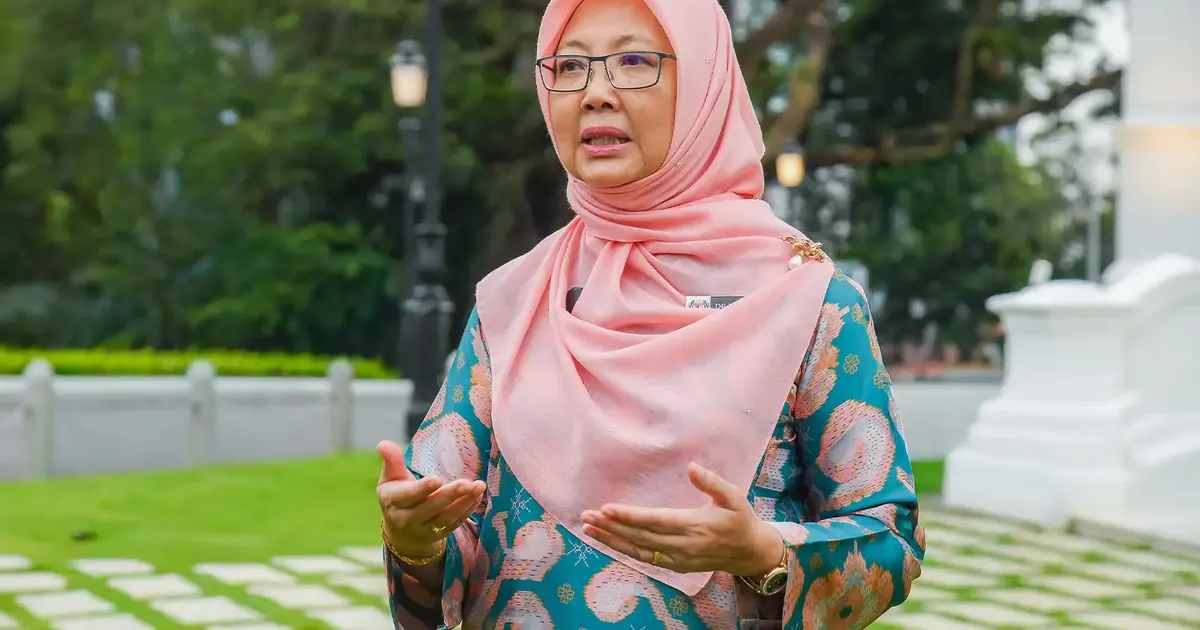
The strategic positioning of Johor ahead of forthcoming state elections has become a flashpoint of political disagreement, with PKR vice-president Zaliha Samdin challenging the rationale behind Johor BN chairman Onn Hafiz Ghazi's insistence that Pakatan Harapan identify a figurehead candidate. The tension between these two figures underscores the complex calculations occurring as parties prepare for electoral contests in Malaysia's second-largest state, where political fortunes have shifted considerably in recent years.
Zaliha Samdin's bewilderment centres on what she perceives as a fundamental logical inconsistency in Onn Hafiz Ghazi's position. The PKR executive questioned why the opposition coalition should publicly commit to a specific leadership candidate when there remains no assurance such an individual would ultimately assume the menteri besar position. This observation highlights a deeper tension within Malaysian politics, where pre-election coalitions often struggle with questions of leadership selection and post-election negotiations.
The demand from Johor BN's leadership appears designed to force PH's hand, potentially creating a strategic vulnerability if the coalition names a candidate who becomes a liability or if internal divisions surface regarding that choice. By making this call public, Onn Hafiz has sought to shift the onus onto Pakatan Harapan to demonstrate organizational clarity and internal consensus—matters that can themselves become contentious for multi-party coalitions navigating different ideological positions and power-sharing expectations.
Johor's political landscape has undergone significant transformation over the past decade. Once considered a Barisan Nasional stronghold, the state has increasingly become competitive territory following the 2018 federal election aftermath and subsequent political realignments. The appointment of Onn Hafiz Ghazi as Johor BN chairman represented an attempt to revitalize the coalition's standing in the state through younger leadership, yet Pakatan Harapan has maintained substantial organizational presence and voter appeal in key constituencies.
Zaliha Samdin's response reflects the strategic caution opposition coalitions must exercise when handling leadership questions in multi-party arrangements. Pakatan Harapan encompasses PKR, DAP, Amanah, and other components, each with their own organizational interests and claims to representation. Identifying a singular poster boy involves complex inter-party negotiations about portfolios, ministerial positions, state development priorities, and resource allocation. Committing to a specific candidate before these negotiations conclude could undermine the coalition's negotiating position and create internal friction.
The menteri besar position carries substantial weight in Johor's political economy. Control over this office determines allocations for state development projects, management of the state-owned entities, and broader economic policy directions. For a coalition preparing to contest elections, premature announcement of the future menteri besar could alienate voters who prefer to see multiple capable candidates before making their choice, or it could invite challenge from other coalition parties believing they deserved greater recognition.
Onn Hafiz Ghazi's intervention suggests BN strategists believe forcing PH to publicly name its top candidate creates electoral advantages. If successful, such disclosure might expose internal coalition divisions or allow BN to conduct opposition research targeting that specific individual rather than dealing with a more diffuse leadership structure. Conversely, if PH refuses to name a candidate, BN could argue the coalition lacks coherence or fears public scrutiny of its leadership choices.
This dynamic reflects broader patterns in Malaysian electoral politics where pre-election positioning increasingly involves psychological warfare alongside policy substance. Both coalitions understand that voter confidence often depends on perceived organizational strength and leadership clarity, yet the mechanics of coalition management frequently pull in opposite directions from the electoral advantages of public certainty.
For Malaysian observers, this exchange illustrates the enduring tension between electoral competition and coalition governance. While BN continues advocating for traditional structures and centralized decision-making, PH's multi-party composition requires more collaborative approaches that can appear less decisive from outside perspectives. Johor's political significance means developments there often ripple across the broader national political environment, making this relatively localized disagreement worth monitoring closely.
The timing of these arguments matters considerably as state-level political movements increasingly shape federal political dynamics. How Pakatan Harapan navigates these challenges in Johor will influence perceptions of its readiness for future national electoral contests, while the coalition's response to Onn Hafiz Ghazi's demand will test the durability of component party relationships and the credibility of Harapan's commitment to internal consensus-building.
Zaliha Samdin's skepticism ultimately suggests opposition strategists believe naming a poster boy prematurely would constitute a tactical error absent guaranteed implementation. This calculated restraint, though potentially frustrating to voters seeking clarity about future governance arrangements, reflects the complex realities of managing multi-party coalitions in Malaysia's competitive political environment.

