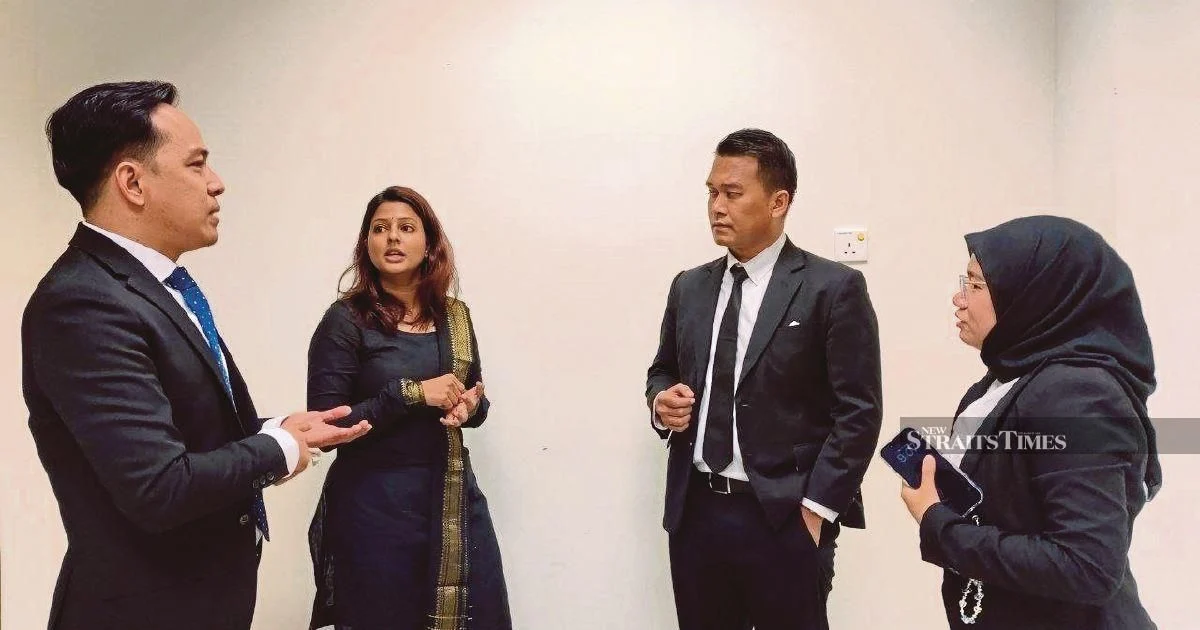
Testimony presented at the Coroner's Court in Kota Kinabalu has provided forensic insights into the characteristics of Zara Qairina Mahathir's handwriting, with an expert establishing that her writing patterns remained consistent with an adolescent stage of development. The findings form part of the evidentiary foundation being examined in the ongoing inquest into her death.
Handwriting analysis serves as an important forensic tool in death investigations, offering investigators potential insights into the circumstances surrounding a person's final communications and written records. Expert examination of penmanship characteristics—including pressure patterns, letter formation, slant, and consistency—can help establish the physical and psychological condition of a writer at the time documents were produced. In this case, the analysis contributed contextual evidence to the coroner's proceedings.
The assessment that Zara Qairina's handwriting exhibited volatility and remained within an adolescent developmental trajectory carries forensic significance. During adolescence, handwriting typically continues evolving, with inconsistencies in letter formation, pressure application, and overall fluency being characteristic of this stage. The expert's observation of volatile elements suggests variability in these features, which may reflect her age and the ongoing maturation of fine motor control and psychological expression through written communication.
Such expert testimony in coroner's inquests helps establish baseline information about the deceased's condition and capabilities during the period immediately preceding their death. By characterising the stage of development at which handwriting remains, forensic examiners provide courts with objective measures that can corroborate or contextualise other evidence. This is particularly relevant when establishing the authenticity, timing, or circumstances surrounding any written materials that may have been produced in the final days or hours.
The Coroner's Court process in Malaysia serves the crucial function of investigating unexplained deaths, ensuring that circumstances are thoroughly examined and documented for public record. Expert witness testimony, including from specialists in forensic handwriting analysis, contributes to the comprehensive factual record that the coroner ultimately uses to make findings. The deliberative nature of such proceedings reflects the legal system's commitment to establishing clear facts, even in cases where the cause or manner of death may ultimately remain undetermined.
For cases involving younger individuals, developmental considerations often become relevant forensic matters. Adolescent physiology and psychology differ significantly from adulthood, and expert evidence must account for these distinctions when evaluating physical evidence such as handwriting. The volatile nature noted by the examiner in Zara Qairina's case aligns with recognised patterns of adolescent handwriting, where inconsistency often reflects the concurrent development of cognitive, emotional, and fine motor capabilities.
The presentation of such detailed handwriting analysis in open court underscores the rigorous evidentiary standards applied in Malaysian coroner's inquests. While handwriting expertise does not definitively establish cause of death on its own, it contributes to a comprehensive narrative that allows the coroner to understand the circumstances surrounding a person's final period of life. Each expert assessment—whether from medical examiners, toxicologists, handwriting analysts, or other specialists—fits into a larger evidential mosaic.
Public proceedings in coroner's courts serve an important transparency function in Malaysian justice, allowing families, media, and the public to understand how authorities investigate deaths and what conclusions are ultimately reached. The examination of specific details, such as handwriting characteristics, demonstrates the thoroughness with which such investigations proceed. These proceedings also create opportunities for community understanding of forensic science and investigative methodology.
The ongoing inquest into Zara Qairina Mahathir's death reflects the Malaysian legal system's commitment to ensuring that all unexplained deaths receive proper judicial scrutiny. As testimony continues to be presented before the Coroner's Court in Kota Kinabalu, each piece of evidence contributes to the comprehensive understanding that will ultimately inform the coroner's findings and conclusions regarding the circumstances surrounding her death.

