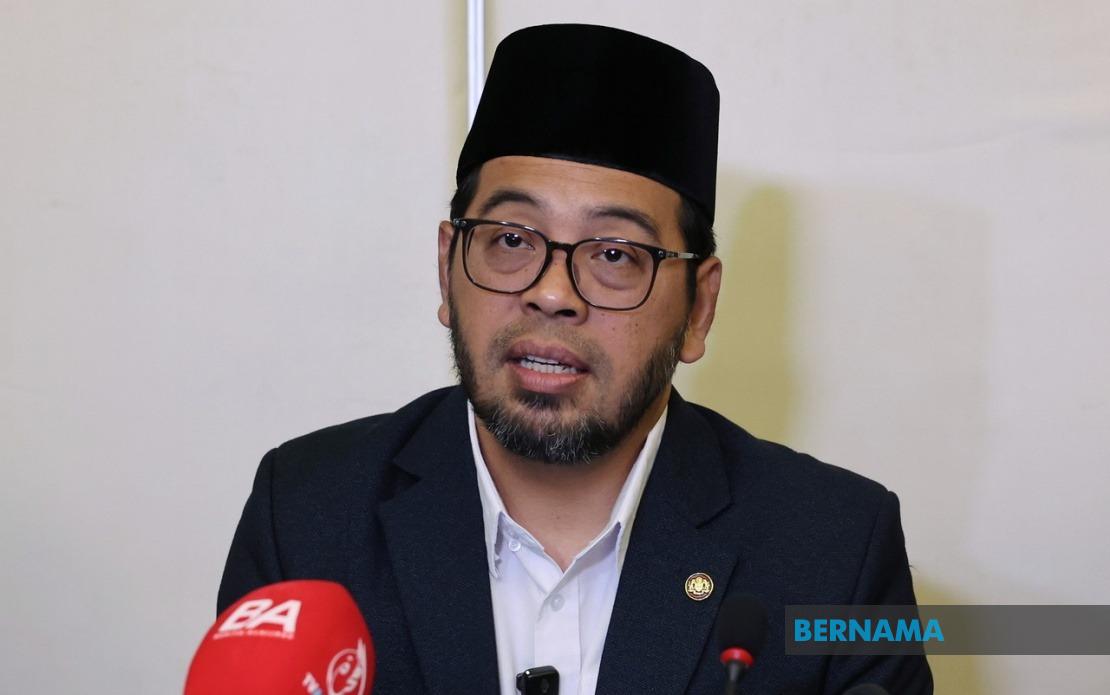
Parliament will hold a special sitting tomorrow to examine the Royal Commission of Inquiry findings into Lembaga Tabung Haji's stewardship during a seven-year period, marking a significant moment in legislative scrutiny of the Islamic pilgrimage savings institution. Minister in the Prime Minister's Department (Religious Affairs) Dr Zulkifli Hasan will present the ministerial briefing on the 211-page report, which was made public on July 29 following the government's decision to release its conclusions to the nation.
The session begins at 10 am and represents a crucial opportunity for lawmakers to question the government's handling of the inquiry and its implications for the hajj savings fund's future governance. Dr Zulkifli, alongside Finance Minister II Datuk Seri Amir Hamzah Azizan, will guide the parliamentary debate and deliver the government's closing remarks. In a brief video statement, Dr Zulkifli underscored that the Cabinet has resolved to pursue action against those implicated in matters highlighted by the commission.
The RCI investigated Tabung Haji's management and operations spanning 2014 to 2020, a period during which Malaysia's pilgrimage fund faced mounting scrutiny over its financial performance and administrative decisions. The institution, which manages savings for millions of Malaysian Muslims preparing for the hajj, had come under public and media examination regarding its investment strategies and operational transparency. The seven-year window covered by the inquiry encompasses critical years when the fund's performance became a matter of national concern.
The decision to release the RCI report publicly reflects a shift towards greater transparency in how government bodies operate and how public institutions serving religious purposes are held accountable. This approach contrasts with previous government practices of keeping such inquiries confidential, signalling a commitment to allowing citizens and their elected representatives access to findings that directly affect public assets and trust. The government's explicit indication that accountability measures will follow demonstrates its intent to address shortcomings identified during the investigation.
Communications Minister Datuk Seri Fahmi Fadzil revealed that at least 40 members of parliament have already signalled their intention to participate in tomorrow's debate, suggesting strong legislative interest in the matter. This level of engagement indicates that Tabung Haji's governance remains a priority concern across the parliamentary spectrum. The substantial number of MPs seeking to contribute will ensure a thorough examination of the RCI's conclusions and recommendations during the sitting.
The parliamentary discussion carries implications beyond Tabung Haji itself, as it represents an opportunity to assess broader institutional governance standards affecting Malaysian faith-based organizations. The hajj savings scheme serves approximately 8 million members, making it one of the largest religiously-focused financial institutions in the Muslim world. Any findings regarding its administration therefore resonate deeply with the Malaysian Muslim community and set precedents for how similar bodies should operate.
The inquiry's coverage of an extended period reflects the complexity of investigating a large institution's operations, requiring examination of numerous transactions, decisions, and policy implementations across multiple administrations. The resulting 211-page report presumably contains detailed analysis of investment decisions, financial management practices, administrative procedures, and governance structures that shaped Tabung Haji's trajectory during these years. The length and comprehensiveness of the document suggest the commission conducted a thorough investigation into the fund's institutional functioning.
Parliamentary scrutiny of such findings serves a critical democratic function, allowing elected representatives to interrogate government explanations and ensure that public accountability mechanisms function effectively. The special sitting format prioritizes this particular issue, indicating its significance within the current legislative agenda. MPs will have the opportunity to pose questions about the RCI's specific findings and the government's proposed remedial measures.
The announcement of Cabinet-directed action against implicated individuals signals that the inquiry process extends beyond fact-finding into enforcement and consequence. This progression from investigation to accountability measures represents the culmination of what must have been a demanding examination of institutional conduct. The nature and scope of such actions will likely emerge through further government announcements and parliamentary exchanges.
For Malaysian observers and particularly the millions of Tabung Haji contributors, tomorrow's parliamentary proceedings will provide insight into how seriously the government treats institutional accountability within the religious affairs domain. The public release of the RCI report and this dedicated parliamentary forum allow stakeholders to understand the inquiry's conclusions and assess whether they address the concerns that prompted the investigation. This transparency mechanism strengthens institutional legitimacy by demonstrating that public scrutiny and remedial action follow from independent investigation.

