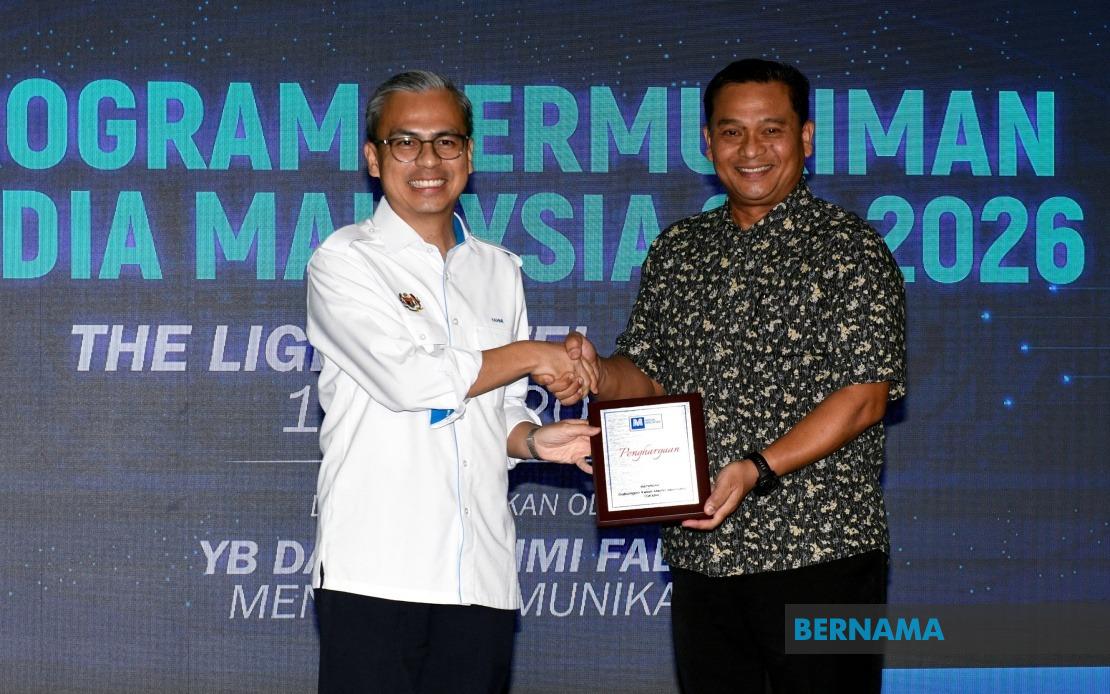
Communications Minister Datuk Fahmi Fadzil has unveiled a financial support package aimed at bolstering Malaysia's journalism sector, committing RM10,000 to each state media club affiliated with the Malaysian Media Clubs Association (GKMM), alongside a separate allocation of RM30,000 for the national association's operations and welfare initiatives. The announcement, made at the Malaysia Media Retreat Programme 2.0 in Butterworth on June 19, signals the government's renewed commitment to addressing the concerns and needs of media practitioners at a time when the industry faces structural challenges and shifting audience preferences.
The funding reflects an understanding within the Communications Ministry that professional journalism requires sustained institutional support and that media clubs serve as vital conduits for addressing collective concerns within the profession. Datuk Fahmi emphasised that the resources should be deployed strategically to maximise their impact on journalist welfare and professional development. By channelling funds through established organisational structures rather than distributing them directly to individuals, the approach acknowledges the importance of grassroots media associations in advocating for industry interests and fostering professional solidarity among practitioners.
The allocation to GKMM carries particular significance given its role as a coordinating body for state-level media clubs across the nation. As a nationwide federation, GKMM bridges regional concerns with national policymaking conversations, positioning it as an essential stakeholder in discussions about journalism's future. The RM30,000 earmarked for GKMM can fund training workshops, professional development seminars, networking events, and other initiatives that strengthen the competencies and networks of media practitioners across Malaysia.
Datak Fahmi acknowledged that GKMM, though not formally constituted as a workers' union, functions as a legitimate platform for articulating industry grievances and transmitting the profession's collective interests to government bodies. This characterisation is significant in the Malaysian context, where labour union frameworks often carry different regulatory implications than professional associations. By recognising GKMM's advocacy function while maintaining its distinct institutional identity, the Communications Ministry signal flexibility in how it engages with media sector representatives.
The minister's remarks about journalism's irreplaceability reflect growing anxieties across the industry about technological disruption and the rise of artificial intelligence in content creation. Datuk Fahmi's assertion that journalists cannot be substituted by algorithms underscores a philosophical position that human judgment, ethical frameworks, and source verification remain central to credible newsgathering. This framing positions government support for journalists not merely as a welfare issue but as an investment in maintaining information quality and public trust in news media.
The commitment to preserve journalism employment resonates particularly in Southeast Asia, where media sectors across the region have contracted due to digital disruption, advertising migration, and platform consolidation. Malaysia's situation mirrors challenges experienced in neighbouring countries, where traditional media outlets have shuttered, forced consolidations with digital competitors, or downsized editorial teams. By explicitly framing employment preservation as a ministry priority, Datuk Fahmi responds to a palpable anxiety among journalists about their professional viability.
The government's pledge to continue consulting media practitioners during policy formulation carries significance for the sector's governance landscape. The Communications Minister pointed to the recent drafting of the Malaysian Media Council Act as an example of industry input shaping legislation. For journalists and media organisations, meaningful consultation during regulatory development can influence outcomes affecting editorial independence, licensing requirements, content standards, and dispute resolution mechanisms. Continued engagement with GKMM and state media clubs signals that future policy work may similarly incorporate practitioner perspectives.
The funding announcement arrives amid broader global discussions about media sustainability and the relationship between governments and news industries. While direct financial support raises questions about editorial independence in some international contexts, the Malaysian model distributes funding through professional associations rather than to individual outlets, potentially mitigating concerns about direct government influence over editorial content. However, the gesture also underscores journalism's economic vulnerability and its dependence on external support structures in an increasingly difficult operating environment.
For state media clubs, the RM10,000 allocations provide modest but meaningful resources for operational activities. Clubs typically organise professional networking events, conduct welfare outreach for journalist members facing hardship, coordinate training sessions, and engage in advocacy around industry issues. These functions strengthen the profession's institutional fabric and provide mechanisms for peer support, which becomes especially valuable during economic downturns or when individual outlets face financial stress. At the state level, media clubs often serve geographically dispersed practitioners who might otherwise lack regular professional interaction.
The timing of this funding initiative reflects political attention to media sector concerns as Malaysia navigates a complex information landscape characterised by digital platform competition, misinformation challenges, and audience fragmentation. Supporting institutional structures like GKMM and state media clubs addresses long-term sector health rather than addressing immediate crisis points. By investing in journalist welfare and professional development infrastructure, the government positions itself as a stakeholder in maintaining journalism's institutional viability.
For Malaysian newsrooms, this support acknowledges the resource constraints many outlets experience as advertising revenue continues migrating to digital platforms and reader engagement patterns shift. While the allocated funds represent modest amounts relative to operational budgets of larger media organisations, they can meaningfully support smaller regional outlets and freelance journalists who operate with minimal financial cushions. Professional associations can also use these funds to provide insurance, medical assistance, or education support for members facing personal difficulties.
The Communications Ministry's engagement with GKMM and state media clubs reflects recognition that journalism's future depends not solely on commercial viability but also on maintaining professional standards, supporting practitioner welfare, and fostering industry cohesion during periods of disruption. As media sectors across Southeast Asia grapple with sustainability challenges and evolving audience preferences, Malaysia's approach of channelling support through professional associations rather than directly subsidising media companies offers one model for government support that attempts to balance sector support with independence concerns.

