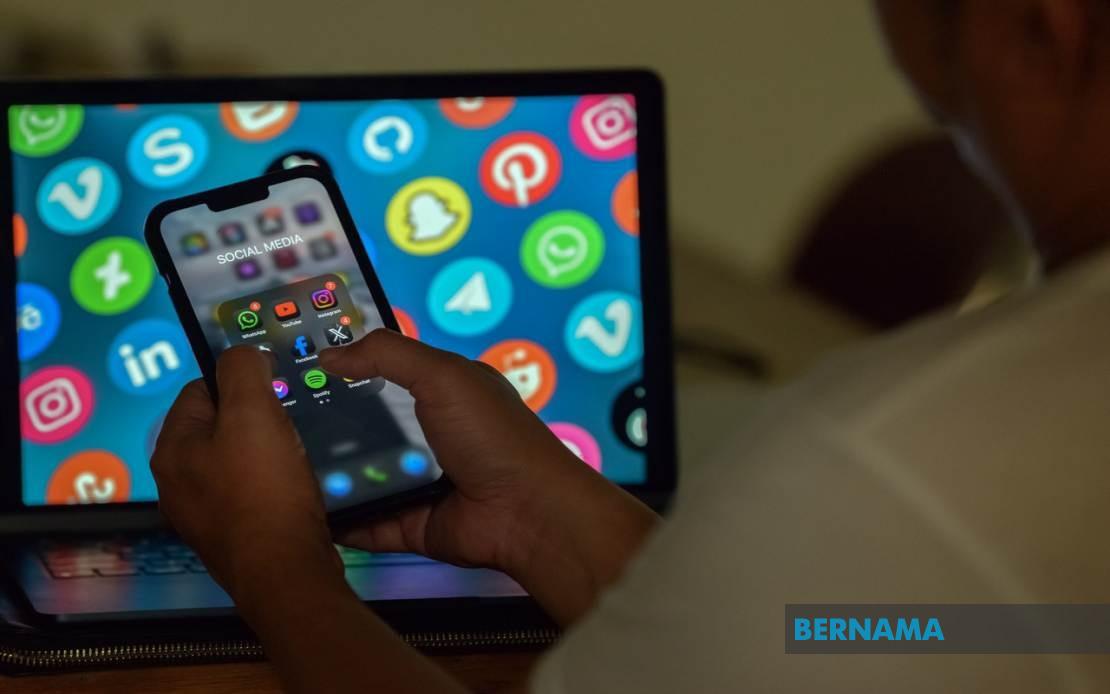
With just over a week until Negeri Sembilan voters head to the polls on August 1, candidates from all major political coalitions have transformed the state's digital landscape into their primary battleground. The shift represents a fundamental change in how campaigns operate in Malaysian electoral politics, where traditional street-level canvassing now shares equal prominence with carefully curated online content designed to penetrate different voter demographics simultaneously.
Political strategists contesting the election have recognised that a one-size-fits-all approach to voter engagement no longer works in an increasingly fragmented media environment. Instead, candidates from Pakatan Harapan, Barisan Nasional, and Perikatan Nasional are targeting specific age cohorts through platforms chosen based on where those demographics spend their digital time. This generational segmentation has become the cornerstone of modern campaign architecture, allowing parties to craft messaging that resonates with the particular concerns and communication preferences of Baby Boomers, Gen X, Millennials, and Gen Z simultaneously.
Older and middle-aged voters gravitating towards Facebook and YouTube have prompted candidates to establish substantial presences on those platforms, where longer-form content and community engagement are more prevalent. Conversely, the popularity of TikTok, Instagram Reels, and Threads among younger voters has necessitated a complete reimagining of how political messages are packaged. Point of View clips, trending audio samples, and behind-the-scenes footage have replaced lengthy policy dissertations, reflecting the reality that attention spans and content consumption habits have shifted dramatically among younger Malaysians.
Datak Seri Aminuddin Harun, the Pakatan Harapan candidate for Linggi and incumbent menteri besar, exemplifies this adaptive approach. His social media strategy weaves together the mundane and the aspirational—documenting prayers, sharing breakfast moments with constituents, and capturing motorcycle rides through local communities. These intimate glimpses into daily life, far from being frivolous, serve a strategic purpose: they humanise political figures and suggest accessibility and groundedness. His messaging, emphasising honesty, integrity, and faith, appeals to voters concerned about governance quality while invoking religious values that resonate across Negeri Sembilan's diverse Muslim and non-Muslim populations.
The diversity of platforms and content types reflects broader recognition that Negeri Sembilan's 889,490 registered voters cannot be reached through any single channel. Ahmad Shahir Mohd Shah, running as the Pakatan Harapan candidate in Paroi, has similarly embraced social media as his primary vehicle for promoting constituency development and prosperity narratives. Dr Azizul Hakim Mahdi, the Pakatan Harapan candidate in Rantau, has leveraged his medical credentials to differentiate himself, using social platforms to publicise free health screenings for senior citizens. This approach transforms campaign activities into demonstrable service delivery, a tactic that builds credibility particularly among voters concerned about concrete rather than rhetorical commitments.
Barisan Nasional candidates have not remained passive in this digital competition. Datuk Seri Mohamad Hasan in Rantau and Datuk Seri Jalaluddin Alias in Pertang have similarly mobilised social media to showcase campaign momentum and voter engagement activities. The prevalence of identical strategic approaches across coalition lines underscores that digital campaigning has transitioned from novelty to necessity—parties that ignore these platforms risk becoming invisible to vast swathes of the electorate, particularly younger and undecided voters who consume political information almost exclusively through digital channels.
Perikatan Nasional, alongside smaller parties including Parti Pribumi Bersatu Malaysia, Parti Orang Asli Malaysia, Parti Sosialis Malaysia, and Barisan Jemaah Islamiah Se-Malaysia, alongside independent candidates, have equally embraced social media to amplify their campaign messages and electoral pledges. This democratisation of campaign infrastructure means that even candidates from non-mainstream parties can now achieve meaningful voter reach without the traditional reliance on expensive mass media advertising or extensive ground machinery. The implications for Malaysian electoral competition are profound: the playing field has shifted in ways that reward authentic engagement and creative content production over simple spending capacity.
The strategic use of infographics to simplify manifestos, real-time responses to contemporary issues, and daily campaign updates demonstrates how campaigns have become perpetually active enterprises rather than episodic efforts concentrated around election periods. Candidates now maintain constant communication with voters, creating ongoing narratives rather than compressed messaging pushes. This continuous engagement model places premium value on having dedicated digital teams and consistent content pipelines—resources that may advantage larger, better-organised coalitions but simultaneously create vulnerabilities if messaging becomes formulaic or inauthentic.
The timing of Negeri Sembilan's election makes the prevalence of digital campaigning particularly significant for understanding how Malaysian political competition is evolving. Early voting on July 28 compresses the campaign window even further, making digital platforms essential for reaching voters who might cast ballots days before the official polling day. For campaigns operating on compressed timelines, social media's ability to disseminate information instantaneously becomes invaluable—a development that has fundamental implications for how Malaysian elections are contested and how voter decisions are ultimately shaped in an increasingly digital political environment.

