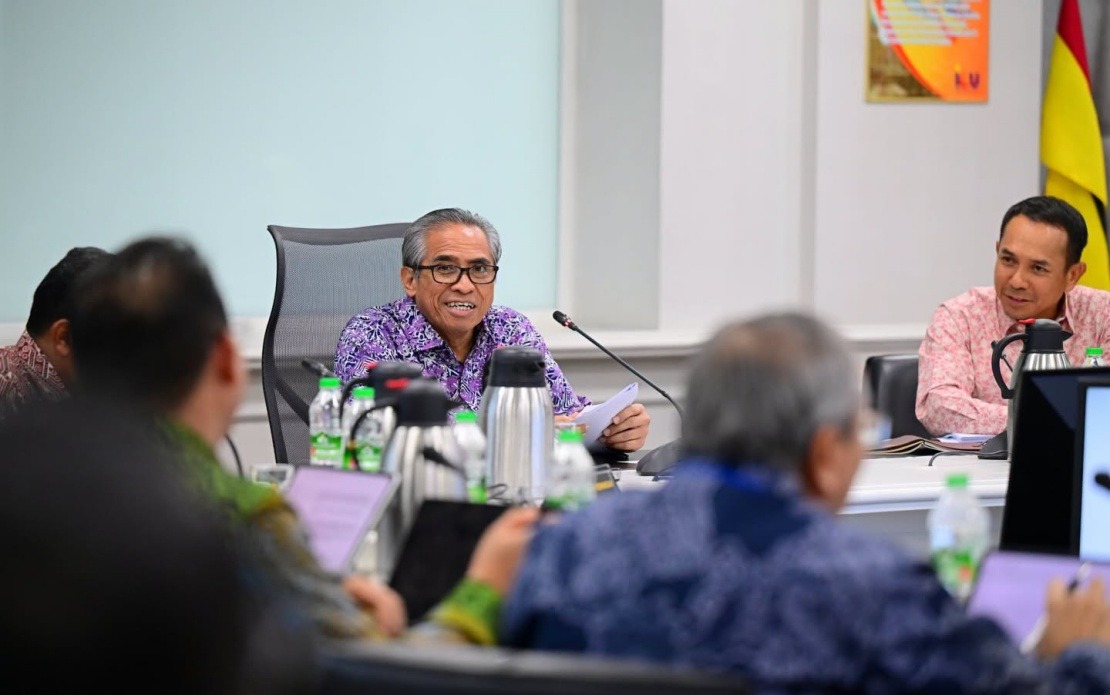
The Malaysian government is launching a coordinated nationwide effort to accelerate the implementation of more than 40,000 small-scale development projects, signalling a strategic shift towards visible, community-level improvements that can be delivered rapidly. Chief Secretary to the Government Tan Sri Shamsul Azri Abu Bakar issued the directive on June 25, requiring all ministry secretaries-general to make these initiatives their priority, underlining the administration's commitment to translating policy into tangible results that ordinary Malaysians can experience within months rather than years.
The instruction emerged from a National Development Action Committee meeting chaired by Shamsul Azri, where officials identified these projects as strategic "low-hanging fruit" that could demonstrate government effectiveness and responsiveness. This terminology reveals the administration's pragmatic approach: rather than pursuing headline-grabbing megaprojects, the focus has shifted to addressing the accumulated maintenance backlog and small-scale infrastructure deficits that accumulate across government-managed assets nationwide. The strategy appears designed to build public confidence through rapid, visible delivery of services that directly affect daily life.
The scope of these projects encompasses a diverse range of public infrastructure and facilities. Road repairs and drain maintenance address the persistent concern of deteriorating municipal infrastructure that affects communities in both urban and rural areas. Government quarters refurbishment tackles the condition of housing for civil servants, a longstanding issue affecting recruitment and retention. School classroom repairs respond to documented concerns about learning environments in public education institutions, whilst healthcare facility upgrades target service delivery at the point of patient care. Improvements to public stalls and markets address the commercial infrastructure serving small traders and informal sector operators, a constituency that has repeatedly raised concerns about operating conditions.
What distinguishes this initiative from previous development announcements is the emphasis on completion timelines. Shamsul Azri specified that most projects can be finished within three to six months, a compressed timeframe that reflects both the limited scale of individual initiatives and the government's apparent desire to demonstrate momentum. This accelerated delivery model requires removing bureaucratic bottlenecks that typically delay even modest maintenance and repair works, suggesting that the directive includes implicit pressure on ministries to streamline procurement, approval, and execution processes. The ability to achieve such timelines will reveal much about the current state of government project management capacity.
The decision to prioritise these small-scale interventions suggests a recalibration of development priorities at the highest levels of government. Rather than concentrating resources on large infrastructure corridors or major transportation initiatives, this approach recognises that public satisfaction often derives from the maintenance of existing assets and resolution of immediate community concerns. A pothole repaired, a school classroom properly furnished, or a market drainage system functioning correctly may register more powerfully with constituents than announcements of future megaprojects that remain years away from completion.
For state and local governments, this directive carries important implications. Many of these projects fall within the purview of municipal corporations and state development agencies, suggesting that implementation will require coordination between federal ministries and sub-national authorities. The emphasis on site visits and on-ground monitoring by ministry secretaries-general indicates that accountability will be enforced through direct oversight by top bureaucratic officials, creating potential pressure points for expedited decision-making and resource allocation at the implementation level.
The initiative also reflects broader governance challenges that have accumulated across Malaysia's public sector. Schools, healthcare facilities, government quarters, and public markets represent assets that require systematic maintenance planning. The fact that identifying 40,000 small-scale projects was possible suggests these maintenance needs have accumulated significantly, pointing to either capacity constraints in asset management or systematic underfunding of maintenance budgets relative to new construction. Addressing this backlog signals recognition that national development requires not just new projects but sustained management of existing infrastructure.
From an economic perspective, small-scale infrastructure and maintenance projects provide immediate employment opportunities for local construction workers, material suppliers, and service providers. The compressed timeline means labour mobilisation could occur quickly, potentially supporting employment in sectors that have faced uncertainty. However, the quality of execution becomes critical; hastily completed works may require costly remediation if standards are compromised in pursuit of speed targets.
The communications strategy accompanying this directive reveals government thinking about public engagement. By highlighting projects that are "very close to the hearts of the people," officials are explicitly acknowledging that perceived government effectiveness depends on delivering visible improvements to everyday infrastructure and public facilities. This represents a departure from emphasising strategic national projects towards addressing accumulated community grievances about service quality and asset maintenance.
For Malaysian states and federal territories, the coming months will demonstrate whether this directive can be translated into sustained implementation momentum. The success of this initiative will depend on whether ministry secretaries-general can overcome institutional inertia, secure timely budget releases, and coordinate with multiple stakeholders. The government's credibility on development delivery will increasingly be measured not by announcement of future projects but by demonstrated completion of these 40,000 small-scale works.
Looking ahead, this approach establishes a model for development delivery that emphasises accessibility and speed over monumentality. If executed successfully, it could reshape how Malaysians perceive government effectiveness and shift expectations towards regular, predictable improvements in public services and infrastructure rather than episodic megaprojects. The directive's success will ultimately be measured in photographs of repaired roads, maintained drains, and renovated facilities across communities nationwide.

