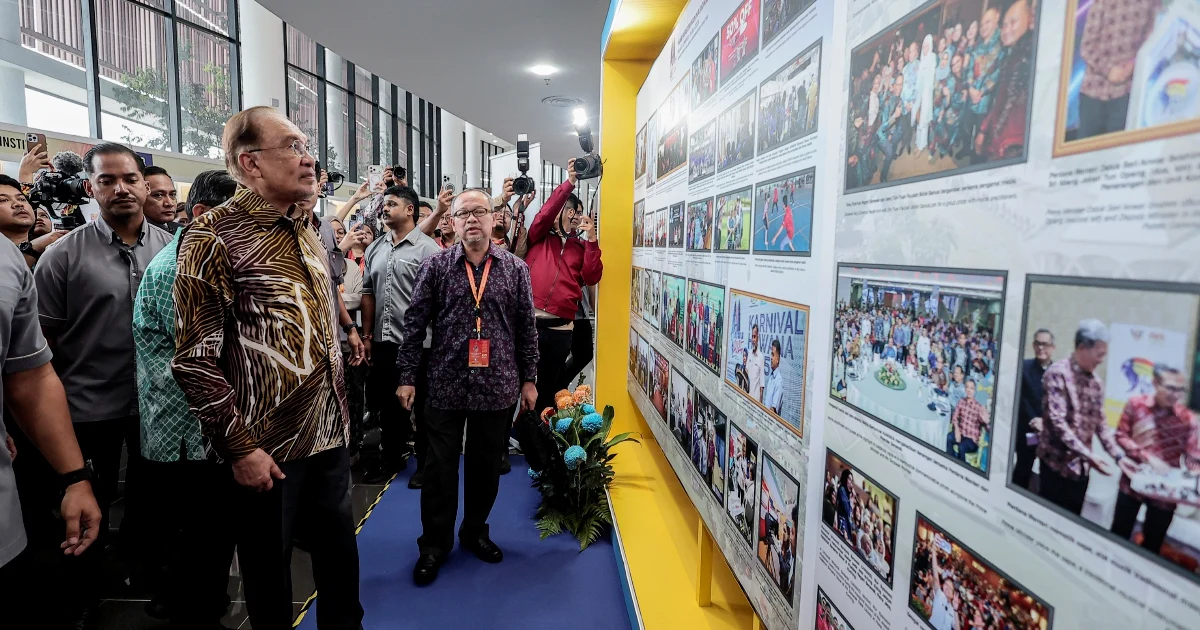
Prime Minister Datuk Seri Anwar Ibrahim has announced a RM1 million government allocation for Tabung Kasih@Hawana 2026, signalling the administration's renewed commitment to supporting journalists and strengthening the media ecosystem. Speaking in his Permatang Pauh constituency, Anwar emphasized that this financial injection reflects the government's recognition of the critical role media practitioners play in democratic discourse and nation-building. The initiative marks a significant step in addressing long-standing concerns about journalist welfare, including income security, health coverage, and professional development opportunities that have historically been constrained by resource limitations in the sector.
The Hawana platform, which represents a comprehensive approach to media industry modernization, addresses multiple challenges facing Malaysian journalism. The welfare fund specifically targets the economic vulnerabilities that journalists face, particularly those working in smaller outlets or as freelancers who lack institutional safety nets. By establishing a dedicated financial mechanism, the government acknowledges that sustainable media freedom requires not merely legal protections but also economic stability for those producing news and analysis. This recognition aligns with international best practices where state and private sector investment in journalist welfare is viewed as integral to maintaining editorial independence and quality reporting standards.
Anwar's announcement comes at a critical juncture for Malaysian media, which has experienced significant transformation over the past two decades. The traditional print and broadcasting sectors have faced revenue pressures from digital disruption, while simultaneously being called upon to maintain rigorous editorial standards and fact-checking capabilities. The RM1 million allocation should be understood within this context as a deliberate intervention to stabilize the profession and create pathways for journalists to remain in the industry without compromising their editorial judgment for financial survival. The fund is particularly relevant given Malaysia's diverse media landscape, where independent outlets operate alongside established players with varying degrees of financial resources.
The Tabung Kasih@Hawana 2026 framework represents an institutional innovation designed to pool resources and distribute support according to identified needs within the journalist community. Such mechanisms can address gaps in conventional employment relationships, provide emergency assistance during personal crises, support professional training and certification, and facilitate transitions for journalists affected by industry consolidation. For Malaysian media practitioners operating across print, broadcast, digital, and multimedia platforms, the fund offers a safety net that encourages them to pursue stories and investigations that serve the public interest even when commercial pressures might otherwise dictate editorial choices.
The government's commitment extends beyond this immediate allocation, with Anwar indicating ongoing support for broader media sector transformation initiatives. This suggests a long-term policy direction rather than a one-time gesture, potentially opening avenues for additional investment in digital infrastructure, journalist training academies, and innovation hubs. For regional observers, Malaysia's approach offers a model for how governments can support press freedom through economic mechanisms rather than regulatory frameworks. While press freedom must ultimately rest on legal protections and professional ethics, the economic foundation provided by initiatives like Hawana 2026 is equally essential for sustainable journalism.
The timing of this announcement reflects broader regional trends where Southeast Asian governments are increasingly engaging with media sector development as an economic and governance issue. Thailand, Indonesia, and the Philippines have implemented various forms of journalist welfare programmes, though results have been mixed. Malaysia's approach, building on the Hawana framework, provides an opportunity to learn from regional experiences and design mechanisms that are culturally appropriate and practically effective. The RM1 million allocation, while substantial, represents an initial commitment that could expand as the fund demonstrates its utility and impact on journalist stability and media quality.
For journalists and media organizations across Malaysia, the fund opens multiple potential benefits. Individual practitioners can anticipate access to health insurance schemes, professional development grants, and emergency assistance mechanisms. Media organizations, particularly smaller operations and independent outlets, may benefit from administrative support and collective purchasing arrangements that reduce operational costs. The fund also creates formal channels for dialogue between government, media practitioners, and civil society stakeholders about the sector's evolving needs and challenges. This institutional structure itself becomes valuable as a mechanism for addressing grievances and coordinating sector-wide responses to industry disruptions.
The announcement also carries implications for Malaysia's standing internationally regarding media freedom and journalist welfare. Global indices measuring press freedom, such as those published by Reporters Without Borders and Freedom House, increasingly incorporate indicators related to journalist safety, economic security, and professional development opportunities. By establishing concrete mechanisms to support these dimensions, Malaysia strengthens its positioning within international comparisons and demonstrates good faith commitment to creating conditions where journalism can flourish. For multinational media organizations considering regional operations and investments, such commitments signal a stable and supportive environment.
Looking forward, the success of Tabung Kasih@Hawana 2026 will depend heavily on transparent governance, inclusive fund management, and regular evaluation of its impact on journalist welfare and media quality. The government's willingness to invest financially must be complemented by genuine consultation with media practitioners about their priority needs and effective mechanisms for fund distribution. Additionally, complementary policy measures—such as supporting digital innovation, ensuring fair advertising revenue distribution, and protecting journalists from harassment—will enhance the welfare fund's effectiveness. The RM1 million commitment thus represents not an endpoint but rather a foundation upon which more comprehensive media sector support can be developed in the coming years.

