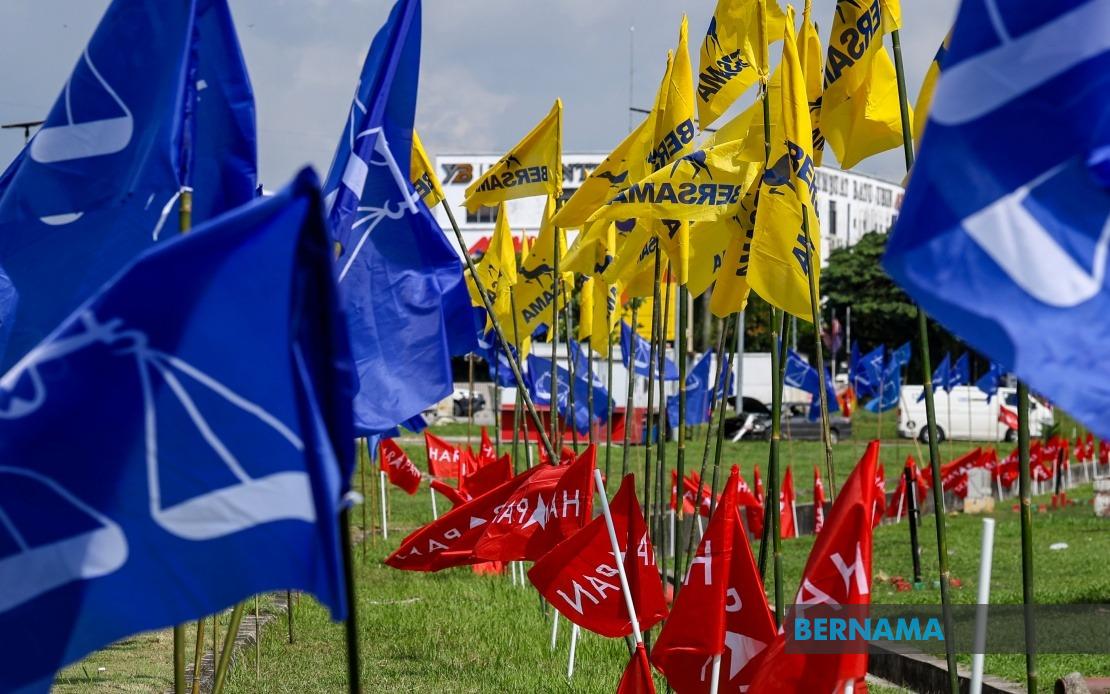
The opening week of campaigning for Johor's 16th state election has unfolded with measured intensity, departing markedly from the spectacle-driven approach of previous election cycles. Rather than mobilizing supporters for mass rallies, competing parties have chosen to concentrate their efforts on direct, one-to-one voter interaction, reflecting broader changes in how Malaysian political organisations now approach electoral contests. This recalibration signals not a lack of enthusiasm but rather a calculated recognition that modern voters respond more keenly to personalised engagement than to stage-managed public events.
The shift towards granular, community-level campaigning represents a fundamental rethinking of electoral strategy among Malaysia's major coalitions. House-to-house canvassing, small neighbourhood gatherings, and targeted community initiatives have become the primary vehicles through which candidates present themselves to voters. According to Prof Datuk Dr Sivamurugan Pandian, Senior Lecturer in Political Sociology at Universiti Sains Malaysia, this methodology serves multiple purposes beyond mere vote-gathering. It furnishes candidates with genuine opportunities to listen directly to constituent concerns whilst simultaneously strengthening party organisational capacity at the grassroots level, where elections are ultimately decided. The approach also permits more efficient deployment of campaign resources, a consideration increasingly important in an era of tighter political budgets and greater scrutiny of spending.
Political analysts tracking the campaign's progress suggest the opening week has functioned primarily as a foundation-building exercise rather than a decisive phase. Sivamurugan emphasised that parties remain deliberately measured in their initial mobilisation, preserving heavier firepower for subsequent weeks when senior national leaders will intensify their presence and campaign activity accelerates sharply. This sequential approach reflects sophisticated campaign management, where the initial phase consolidates organisational structures and identifies persuadable voter cohorts before moving into more resource-intensive phases featuring high-profile appearances and expanded media activity. Parties are essentially using the opening days to gather intelligence on local dynamics whilst simultaneously strengthening their on-ground machinery.
The contemporary evolution of electoral campaigns increasingly emphasises data-driven methodologies and hybrid strategies that seamlessly integrate digital platforms with traditional face-to-face contact. Dr Azmi Hassan, a geostrategist and Senior Fellow at the Nusantara Academy for Strategic Research, highlighted how campaign teams now deploy sophisticated voter categorisation systems, identifying supporters, undecided voters, and opposition sympathisers to tailor messaging accordingly. This represents a dramatic departure from earlier campaign models predicated on large open-air gatherings designed to generate enthusiasm rather than precision targeting. The integration of social media platforms has further transformed how parties construct and disseminate campaign narratives, allowing for real-time adjustment based on audience response and emerging voter concerns.
Despite the profusion of campaign activity across Johor, a coherent thematic framework has yet to crystallise around any single dominant issue. Researcher Mujibu Abd Muis from the Ilham Centre identified three primary narratives animating party campaigns: demonstrations of past governance accomplishments, pledges regarding future development priorities, and appeals to voter concerns about political stability. However, these themes remain relatively abstract and disconnected from the quotidian preoccupations that genuinely motivate voting behaviour. For campaign narratives to generate meaningful electoral impact, they must successfully translate into concrete connections with voter anxieties surrounding cost-of-living pressures, employment opportunities, local infrastructure development, and quality of public services. Without such anchoring to tangible lived experience, even well-crafted messaging risks remaining superficially persuasive.
Geographic concentration of campaign activity in northern Johor's competitive constituencies reveals how parties are strategically allocating limited resources to areas of contested control. Districts including Muar, Tangkak, Segamat, portions of Batu Pahat and Kluang have absorbed disproportionate campaign attention during the opening week, reflecting party calculations regarding which electoral battlegrounds will prove decisive. This geographic prioritisation is not merely about media attention; it signals to local party machinery and candidate organisations that these constituencies hold strategic significance and warrant enhanced organisational commitment. The concentration strategy simultaneously permits parties to achieve deeper penetration in targeted areas rather than dispersing effort across the entire state.
The electoral landscape in Johor remains fundamentally structured around competition between two major coalitions, Barisan Nasional and Pakatan Harapan, whose relative strength varies significantly across different regions of the state. Pakatan Harapan exercises greater influence in southern and western Johor's constituencies, whilst Barisan Nasional's organisational advantages are most pronounced in eastern coastal districts, particularly Mersing and Kota Tinggi. This geographic distribution of coalition strength determines how campaign machinery mobilises throughout the election period, with each coalition concentrating resources in areas where victory appears most attainable. The strategic targeting evident in initial campaign activity essentially reflects parties' realistic assessments of electoral viability in different constituencies.
Voter mobilisation and turnout emerge as critical variables that campaign analysts universally identify as potentially decisive in determining final electoral outcomes. Regardless of campaign sophistication or messaging effectiveness, the ultimate result depends substantially on whether parties successfully mobilise their supporter bases to actually participate in voting. Turnout patterns in Malaysian state elections often shift unexpectedly, influenced by factors ranging from weather conditions to competing civic demands, and in Johor's context, turnout could plausibly advantage either coalition depending on which party's supporters demonstrate greater enthusiasm. The recognition of turnout's importance explains why campaign strategists across all contesting organisations emphasise mobilisation activities alongside voter persuasion efforts.
The 16th Johor state election involves 172 candidates competing for 56 state assembly seats, with polling scheduled for July 11 following early voting opportunities on July 7. This configuration will determine both which parties secure seats and ultimately which coalition commands the state government. The election's significance extends beyond Johor's borders, as results will offer valuable indicators regarding national political sentiment and coalition viability heading towards potential federal-level electoral contests. For Malaysians observing state-level political dynamics, Johor's election provides a window into how major political coalitions currently mobilise supporters and construct electoral narratives in a political environment increasingly shaped by digital communication platforms and targeted voter engagement methodologies rather than mass rallies.

