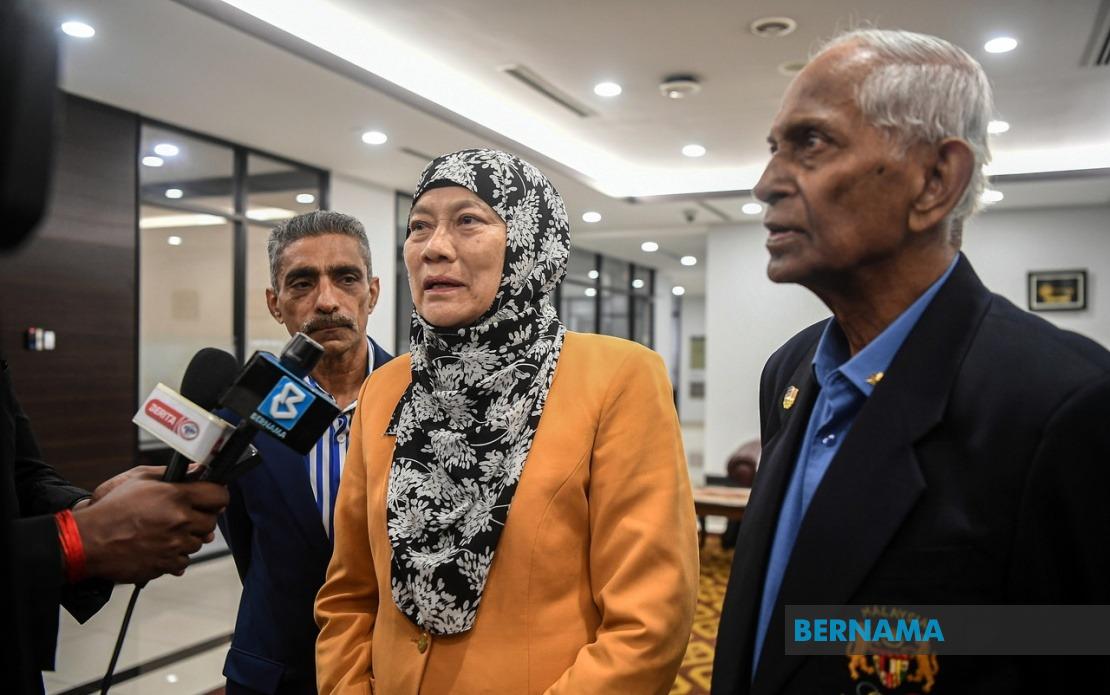
Malaysia's athletics governance is under intense scrutiny after a delegation of former sports officials and Olympians raised alarm over compliance failures at Malaysia Athletics that could result in suspension by the world governing body. The warning came during a meeting at Parliament between representatives of the Reformation in Sports and Excellence (RISE) and Youth and Sports Minister Dr Mohammed Taufiq Johari, signalling growing anxiety within sporting circles about the federation's administrative direction and its consequences for the nation's athletics programme.
Former Sports Commissioner Datuk Zaiton Othman, who led the delegation alongside Olympian Datuk Karu Selvaratnam and former National Athletes Welfare Foundation chairman Datuk Noorul Ariffin Abdul Majeed, articulated the severity of the situation with particular reference to Malaysia's impending role as host of the 2027 SEA Games. Any constitutional amendments or decisions that deviate from World Athletics standards expose Malaysia Athletics to punitive measures ranging from suspension to outright cancellation of registration—consequences that would be acutely embarrassing for a nation preparing to stage a regional championship.
The implications of such sanctions extend far beyond administrative inconvenience. If World Athletics were to take action against Malaysia Athletics, the federation would be barred from organising athletics competitions at the 2027 SEA Games, effectively removing one of the Games' marquee sports from the host nation's purview. More broadly, Malaysian athletes would lose eligibility to compete in World Athletics-sanctioned international events, a restriction that would severely hamper the development and competitive experience of the country's track and field performers on the global stage.
Athletics represents one of the most decorated sports at the SEA Games for Malaysia, consistently contributing a substantial share of the national medal haul alongside swimming and shooting. The sport's centrepiece events—the men's and women's 100 metres and the 4x100 metres relay—capture the imagination of audiences across the region and carry enormous prestige. At recent Games, athletics has delivered 47 gold medals, underscoring its significance to Malaysia's overall performance in the regional competition. Losing the capacity to host these events would represent a substantial diminishment of Malaysia's standing as the 2027 SEA Games organiser.
Zaiton, herself an accomplished former heptathlon athlete known colloquially as the 'Iron Woman', emphasised that the concerns driving the delegation forward extended beyond internal administration. The group of former athletes and Olympians who united to raise the issue harboured genuine apprehension that unresolved governance problems could undermine the performance and development of current national athletes. The logic is straightforward: athletes unable to access international competition through World Athletics channels would suffer in their preparation, ranking, and career progression, creating a cascading harm effect throughout the Malaysian athletics system.
The governance crisis at Malaysia Athletics has simmered beneath the surface for some time. In June, Malaysia Athletics president Karim Ibrahim announced a leave of absence from his leadership role, a tactical move designed to facilitate the constitutional amendments required to bring the federation into alignment with World Athletics standards. The AGM scheduled for later that month would provide the formal occasion to vote through these necessary changes. This development itself acknowledged the existence of constitutional discrepancies between Malaysia Athletics and its world governing body—discrepancies serious enough to warrant presidential disengagement during a critical administrative window.
Karim Ibrahim's own status has been shadowed by previous World Athletics discipline. In 2018, the world governing body suspended him, a sanction that was subsequently upheld by the Court of Arbitration for Sport (CAS) following an appeal. Despite this suspension and its legal confirmation, Karim retained eligibility to contest and serve on the Asian Athletics Federation Executive Council for the 2019–2023 term, an outcome that illustrates the complex interplay between different levels of athletic governance and the varied consequences of regulatory breaches.
Zaiton acknowledged that the government's direct intervention in sports association administration is constitutionally constrained. However, she noted that the Sports Development Act 1997 provides the Youth and Sports Ministry and the Sports Commissioner with sufficient statutory authority to enforce compliance, reprimand non-adherent associations, and ensure that sports bodies operate within the prescribed regulatory framework. This distinction—between overt interference and legitimate oversight—is crucial for Malaysia's governance model, which seeks to balance sporting autonomy with public accountability.
The timing of the RISE delegation's intervention reflects a window of opportunity. With the AGM approaching and constitutional amendments on the agenda, there remains a practical moment to remediate the governance shortcomings before they crystallise into World Athletics sanctions. The delegation's appeal to the Sports Minister, backed by the authority of former administrators, Olympians, and the RISE movement, was designed to emphasise that corrective action remains within reach if pursued with urgency and commitment.
For Malaysian sports observers and athletes, the Malaysia Athletics governance episode represents a broader lesson in institutional stewardship. The federation's difficulties underscore how technical breaches of constitutional alignment with international bodies, though seemingly arcane, carry profound consequences for an entire sport and nation. The 2027 SEA Games provide both a deadline and an incentive: Malaysia must resolve its athletics governance deficiencies before hosting duties commence, lest the nation finds itself unable to showcase one of its traditional strengths on the regional stage.

