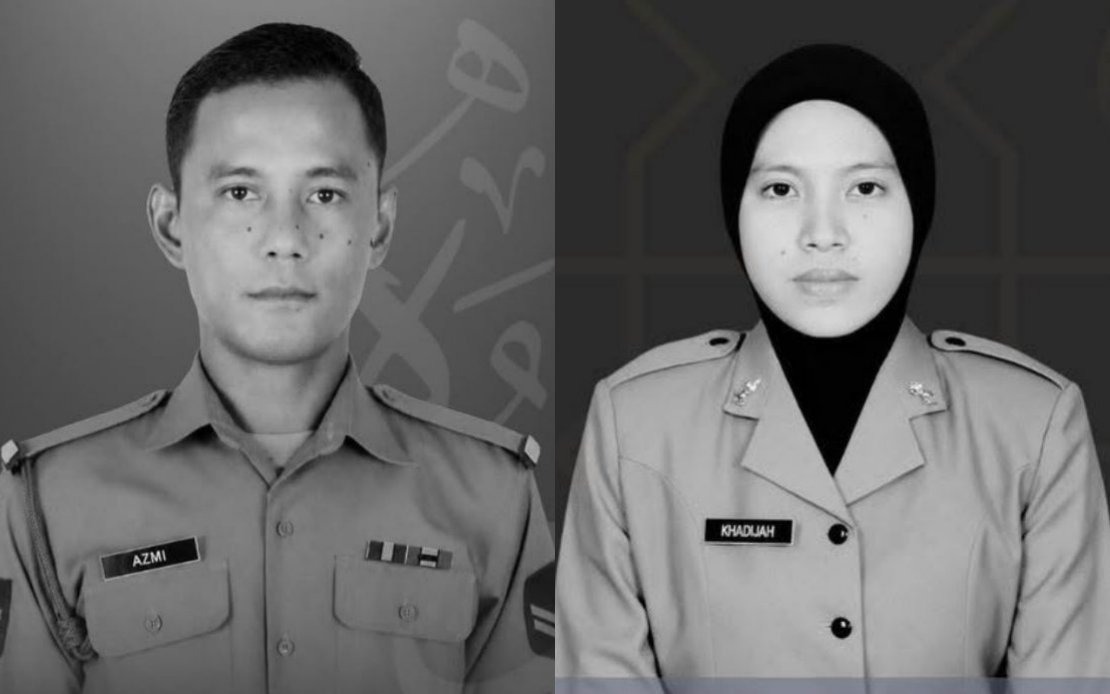
A training exercise at a military facility in Kedah turned tragic on June 16 when two Malaysian Army personnel lost their lives during a grenade-throwing session at Hobart Camp shooting range in Gurun. The Malaysian Army has now formally identified the deceased as Corporal Norazmi Abu Bakar, who served with the 6th Battalion, Royal Malay Regiment, and Private Siti Khadijah Sungip, attached to the 1st Squadron, Royal Army Engineers Regiment.
The incident occurred at 10.57 am when both soldiers sustained critical injuries during what was officially designated as RAJD Combat Enhancement Training, conducted under the supervision of the 2nd Infantry Division. Despite receiving emergency medical attention and being rushed to Sultan Abdul Halim Hospital in Sungai Petani, neither personnel survived transportation to the medical facility. The severity of their wounds proved incompatible with life, marking a sobering reminder of the inherent risks associated with live-fire and explosive ordnance training.
Following protocol in such matters, the remains of both fallen soldiers have been transferred to Sultanah Bahiyah Hospital in Alor Setar, where post-mortem examinations will be conducted to establish additional medical details. This procedural step is standard practice in military fatalities and helps provide families with comprehensive information regarding the circumstances surrounding their loved ones' deaths.
The Malaysian military's response has been swift and comprehensive. General Tan Sri Azhan Md Othman, the Army Chief, immediately ordered a full and thorough investigation into what caused the explosion. Such investigations are critical for understanding whether the incident resulted from equipment malfunction, procedural breach, training protocol violation, or other factors. The findings will be instrumental in determining what systemic or operational changes may be necessary to prevent similar occurrences.
General Azhan also issued a formal statement expressing profound sorrow and extending condolences to the families of both deceased personnel. He urged the grieving families to find strength during this difficult period, acknowledging the profound loss and the challenges that lie ahead for those who knew and worked with Corporal Norazmi and Private Siti Khadijah. Such gestures, while not removing the pain of bereavement, demonstrate institutional recognition of individual sacrifice and the human cost of military service.
For the Malaysian Armed Forces, this incident underscores the ongoing tension between operational readiness and personnel safety. Grenade-throwing exercises are fundamental components of combat training, essential for ensuring soldiers develop proficiency with explosive weapons. However, they remain among the more dangerous training activities conducted in any military environment. The balance between realistic preparation and acceptable risk is delicate, and incidents like this one inevitably prompt reassessment of that equilibrium.
The Army has committed to a comprehensive review of all training safety protocols and procedures. This review is expected to encompass equipment maintenance and inspection standards, trainer qualification and oversight mechanisms, safety briefing comprehensiveness, and adherence to established procedures during live-fire exercises. Such reviews typically involve examining whether current practices align with international military training standards and whether additional safeguards can be implemented without compromising the effectiveness of combat preparation.
Malaysia's military has experienced previous training accidents over the years, and each incident has generally led to procedural refinements. The institutional learning process, though it comes at a tragic human cost, has generally resulted in improved safety records across most training environments. The commitment expressed in this statement suggests the Army intends to apply that same learning curve to understand and remedy whatever factors contributed to this particular explosion.
For the broader Malaysian Armed Forces community, this incident carries particular weight. Both deceased personnel were relatively junior enlisted ranks undertaking professional development training, a routine activity that reinforces skills and maintains operational capability. The fact that such a standard exercise resulted in fatalities will resonate throughout the military, potentially affecting morale and raising questions among service members about the adequacy of current safeguards.
The investigation phase will be critical in determining whether this was an isolated equipment failure, a tragic accident with no clear preventive measures, or whether procedural lapses contributed to the outcome. Families of the deceased, as well as the broader public, will likely await the investigation's conclusions to understand what transpired during those fatal moments at Hobart Camp.
This tragedy also highlights the often-overlooked reality of military service in Malaysia: that beyond border security operations and peacekeeping deployments, significant risks exist during routine training activities. Personnel who volunteer to serve their country face dangers not only during operational deployments but also during the preparation phases that precede actual service. The loss of Corporal Norazmi Abu Bakar and Private Siti Khadijah Sungip serves as a somber reminder of that reality and the true cost of military readiness.