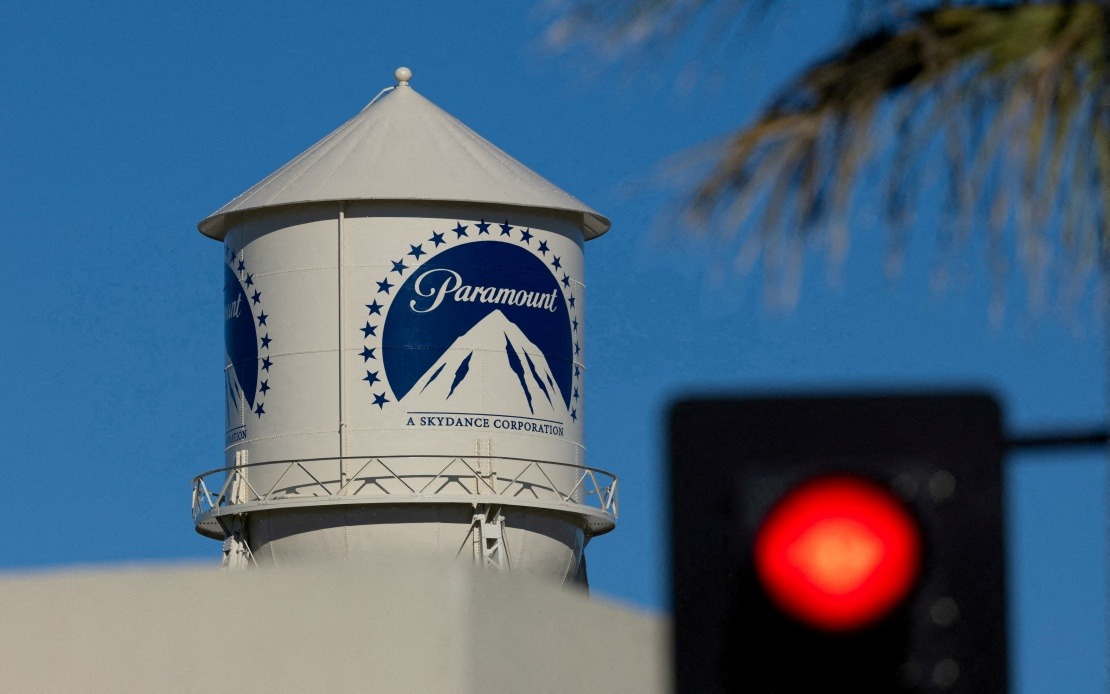
Paramount's ambitious plan to acquire Warner Bros Discovery has hit a significant roadblock following aggressive legal action from 12 United States states contesting the transaction on competition grounds. The entertainment conglomerate, which is backed by the Ellison family's investment interests, has effectively paused its pursuit of the merger pending the outcome of the antitrust challenge or a final deadline of June 1, 2027, according to court filings made public on Friday.
A federal judge had previously issued a temporary suspension of the deal lasting until mid-August, signalling that the court would carefully evaluate the plaintiffs' request for a preliminary injunction that would block the merger entirely. This judicial step demonstrated that the bench recognized legitimate competitive concerns warranting serious deliberation. The coalition of states contesting the acquisition includes California, among other jurisdictions, each raising substantive questions about what consolidation of this magnitude would mean for market dynamics across the entertainment sector.
At the heart of the states' argument lies concern that combining these two major entertainment enterprises would substantially reduce competition in the marketplace for theatrical film releases, thereby creating adverse pressure on cinema operators who depend on a diverse supply of competitive content. The states have successfully convinced the court that Paramount and Warner Bros Discovery, operating jointly, would control a sufficiently large share of film distribution to justify initial measures restraining the transaction. This threshold finding—that the merged entity would wield considerable market power—proved determinative in prompting the temporary halt.
The contrast between regulatory approaches highlights the complexity surrounding mega-mergers in the modern media landscape. The United States Department of Justice, under the current administration, had determined that allowing the takeover would pose no meaningful threat to competition or consumer welfare, neither in the television and streaming sectors nor in film production operations. This clearance came without any conditions or requirements that the parties modify their plans. However, the European Commission took a markedly different analytical approach, ultimately permitting the deal but only after imposing a series of conditions designed to mitigate potential anticompetitive effects.
The transaction itself represents a remarkable escalation in consolidation ambitions within Hollywood. Originally, Netflix had secured an agreement to purchase Warner Bros' streaming platform and studio assets, a deal that would have represented substantial value in itself. Paramount, however, refused to be sidelined and dramatically increased its offer to encompass not merely the streaming and studio components but the entire Warner Bros Discovery organisation, including valuable broadcast television properties such as CNN. This strategic manoeuvre transformed the acquisition into a US$111 billion undertaking, fundamentally reshaping the negotiating landscape.
For Malaysian and Southeast Asian media professionals and industry observers, this development carries important implications for understanding how Western regulatory authorities approach media consolidation. Malaysia's own communications and multimedia sector operates under regulatory frameworks that often reference international precedents, making the outcome of this American legal challenge potentially instructive. The states' emphasis on theatrical cinema competition speaks to concerns about vertical integration and the concentration of power over content distribution—issues with resonance across Asia-Pacific markets where cinema remains culturally significant and economically important.
The involvement of Larry Ellison's family fortune in backing Paramount adds an intriguing dimension to the proceedings. Ellison's known alignment with President Donald Trump potentially influences perceptions about the deal, though the Justice Department's approval occurred under the Trump administration, suggesting that political considerations did not override federal competition policy in this instance. Nevertheless, the fact that enforcement agencies and courts may operate under different legal and political pressures creates uncertainty about the deal's ultimate fate.
The timeline established by the court—allowing the deal to proceed either following a judicial ruling or by June 2027 at the latest—essentially gives all parties clarity about the duration of legal uncertainty. For Paramount, this extended waiting period creates obvious challenges in terms of strategic planning and capital allocation. For Warner Bros Discovery, the suspended status generates operational complications and ongoing uncertainty about its corporate future. Industry observers will closely monitor both the preliminary injunction hearing and any subsequent appeals or legal manoeuvres.
This case exemplifies broader tensions within the entertainment industry between economies of scale and competitive market structures. Paramount's aggressive bidding reflects confidence that greater size would generate efficiencies and competitive advantages, particularly in an era when streaming services command unprecedented importance. The states' counter-argument suggests that such consolidation would ultimately harm consumers by reducing the number of major competitors and potentially limiting the diversity of content available through theatrical release windows.
The suspension also raises questions about Netflix's position in this evolving scenario. Having lost its opportunity to acquire Warner Bros' streaming operations to Paramount's higher bid, the streaming giant now witnesses potential legal obstacles that might reshape the entire competitive landscape. If Paramount's deal ultimately fails, the path for Netflix or other acquirers seeking Warner Bros assets would fundamentally change.
For investors monitoring major media transactions globally, the Paramount-Warner Bros situation underscores the unpredictability now surrounding massive entertainment mergers. Even deals that receive government approval remain vulnerable to legal challenges from state authorities, particularly when those states can credibly articulate specific markets where concentration would reduce competition. This legal uncertainty extends the period during which both companies must operate in suspended animation, unable to fully integrate operations or commit unreservedly to future strategic directions.

