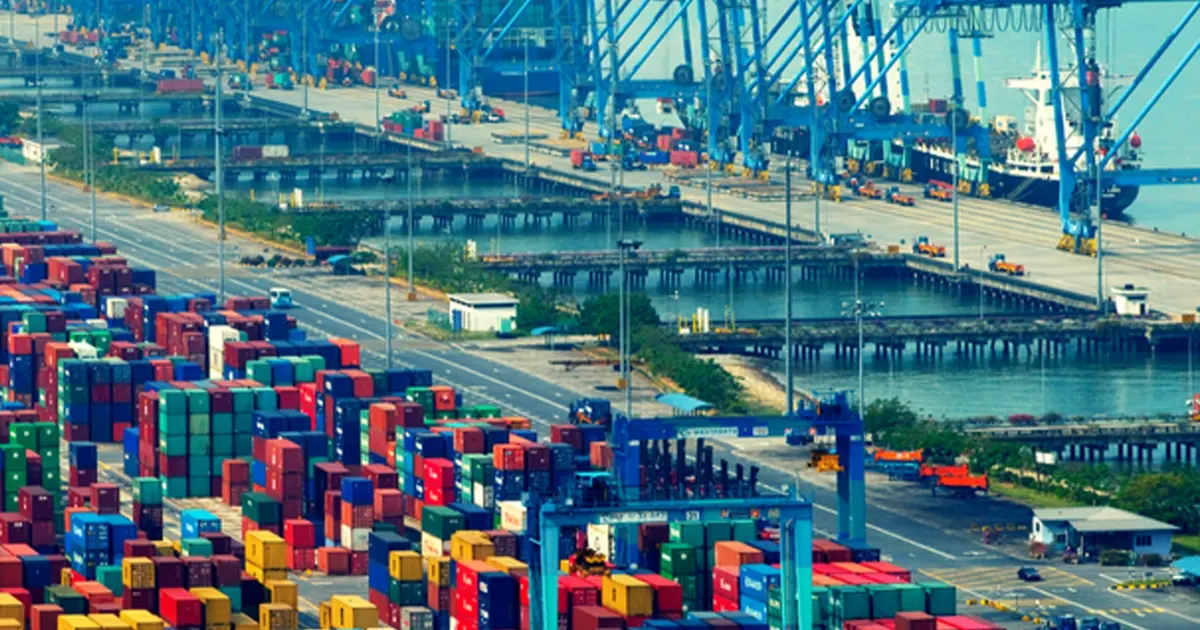
Malaysia's Port Klang Free Zone (PKFZ) is demonstrating impressive momentum in its operational recovery, having achieved RM108 million in revenue alongside an 86% reactivation rate, according to Transport Minister Loke Siew Fook. The milestone underscores a significant turnaround for the facility, which has faced structural and operational challenges in recent years and now appears positioned to reclaim its role as a vital node in Southeast Asia's maritime trade landscape.
The sustained recovery trajectory over the past 18 months reflects deliberate efforts to rehabilitate one of Malaysia's largest purpose-built free zones. Located strategically at Port Klang, the nation's principal container port, PKFZ serves as a critical intermediary for regional logistics operations, warehousing, and value-added services. The facility's resurgence carries implications not only for Malaysia's maritime competitiveness but for regional supply chain efficiency more broadly, as companies relying on this hub rebuild confidence in its operational reliability and service quality.
Reaching 86% reactivation represents substantial progress, though operators and policymakers remain focused on closing the final performance gap. Each increment towards complete operational capacity carries weight in a sector where marginal efficiency gains translate into measurable cost savings for importers, exporters, and logistics providers. The current trajectory suggests that achieving near-total reactivation may be within sight, though challenges around tenant occupancy, service standardisation, and infrastructure optimisation likely persist.
The revenue generation of RM108 million demonstrates that the market retains demand for PKFZ's services once operations achieve acceptable standards. This financial performance validates the broader investment in reactivation, encouraging further stakeholder commitment from tenants, service providers, and government agencies supporting the facility. For Malaysia, the outcome strengthens the case for continued infrastructure modernisation at Port Klang, which remains among Asia's busier container terminals despite regional competition from Singapore, Port Tanjung Pelepas, and other regional alternatives.
The recovery process illuminates the critical importance of operational governance and infrastructure quality in maintaining regional logistics competitiveness. PKFZ's challenges and subsequent turnaround provide instructive lessons for policymakers across Southeast Asia managing similar maritime facilities. Consistent performance improvement requires coordinated action across port authorities, customs agencies, private sector partners, and regulatory bodies—a lesson increasingly relevant as regional supply chains recover from pandemic-related disruptions and reassess resilience.
Minister Loke's assessment of steady, encouraging growth signals confidence from the transport ministry in PKFZ's trajectory. This ministerial endorsement carries weight with international logistics operators and financial institutions evaluating Malaysia's maritime infrastructure reliability. Enhanced political commitment to the facility's success can accelerate resolution of outstanding operational issues and attract renewed commercial interest from companies previously hesitant about utilising the zone.
For Malaysian exporters and importers, PKFZ's recovery improves access to competitive logistics options within the country's major port complex. Companies previously forced to route cargo through alternative facilities or neighbouring jurisdictions may find renewed value in domestic solutions, potentially reducing logistics costs and transit times. The zone's specialisation in high-value goods, electronics components, and regional distribution services positions it to capture growth in these expanding categories as regional trade volumes increase.
The 86% reactivation figure masks considerable complexity in what remains incomplete. Understanding which operational segments have achieved full activation and which still require attention proves essential for assessing the facility's genuine readiness for increased traffic. Achieving the final percentage points often demands disproportionate effort, particularly if remaining gaps involve critical infrastructure, regulatory approval processes, or capacity constraints in specific service categories.
Looking forward, PKFZ's continued momentum depends on sustained investment in infrastructure modernisation, competitive service pricing relative to regional alternatives, and consistent operational reliability. The zone's success will ultimately reflect whether it can retain and expand its tenant base, attract new service operators, and deliver measurable efficiency advantages over competing logistics hubs in the region. Minister Loke's characterisation of the past 18 months as demonstrating steady growth provides baseline confidence, but the crucial test lies in whether PKFZ can maintain this trajectory whilst achieving operational excellence comparable to leading Asian maritime facilities.
The broader context matters significantly for understanding PKFZ's recovery prospects. Regional supply chain reorganisation following pandemic disruptions has heightened awareness among multinational companies of the need for diversified logistics infrastructure. Malaysia's geographic position, established port infrastructure, and growing digital trade capabilities position the nation favourably within this environment. PKFZ's reactivation thus extends beyond a single facility's operational performance; it reflects Malaysia's capacity to maintain competitive maritime infrastructure supporting regional commerce and positioning the country as a reliable logistics partner within Asia's evolving supply chain architecture.

