Ringgit Outlook 2026: Where Malaysia's Currency Stands
After a strong run in 2025, where is the Malaysian ringgit heading in 2026? Here is a plain-language look at recent movements and analyst forecasts.
The day's essential Malaysian news, briefed.
After a strong run in 2025, where is the Malaysian ringgit heading in 2026? Here is a plain-language look at recent movements and analyst forecasts.
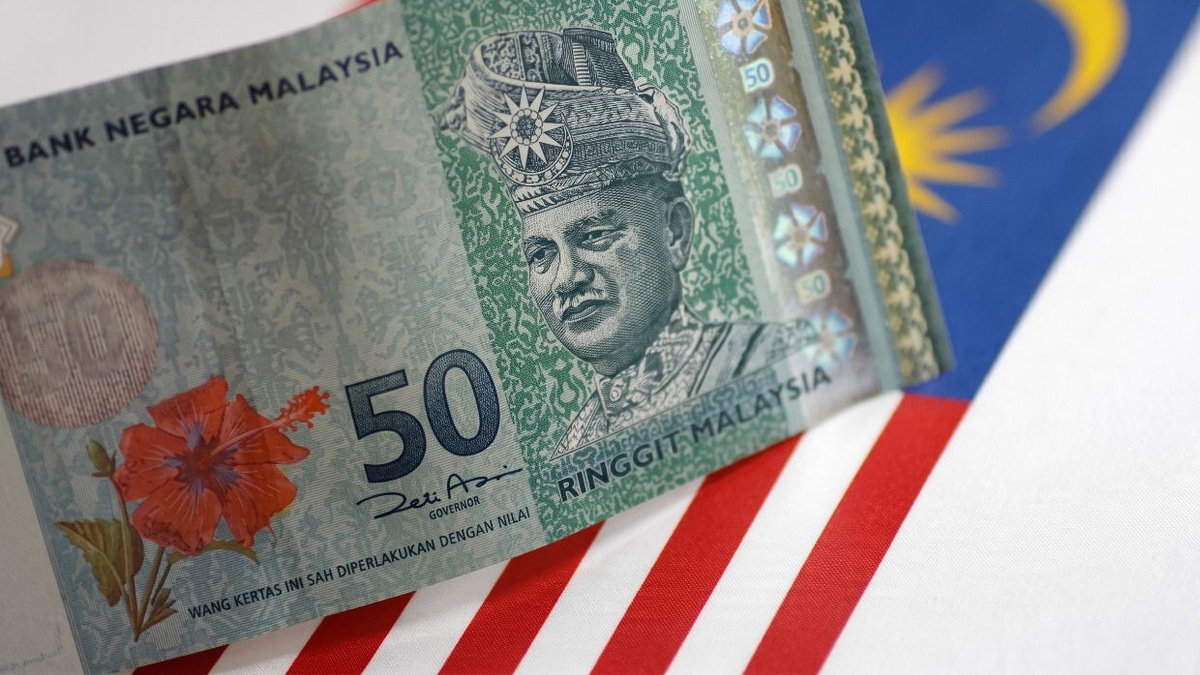
The ringgit is positioned for a significant recovery after a weak first half, with Bank Negara Malaysia's push to attract foreign-exchange inflows and Malaysia's solid trade performance expected to drive the currency stronger by year-end.
Malaysia's government-linked investment companies have tripled their domestic deployment to RM20.3 billion in 2025 under the GEAR-uP programme, part of a five-year RM120 billion initiative to drive socioeconomic reform and industrial transformation.
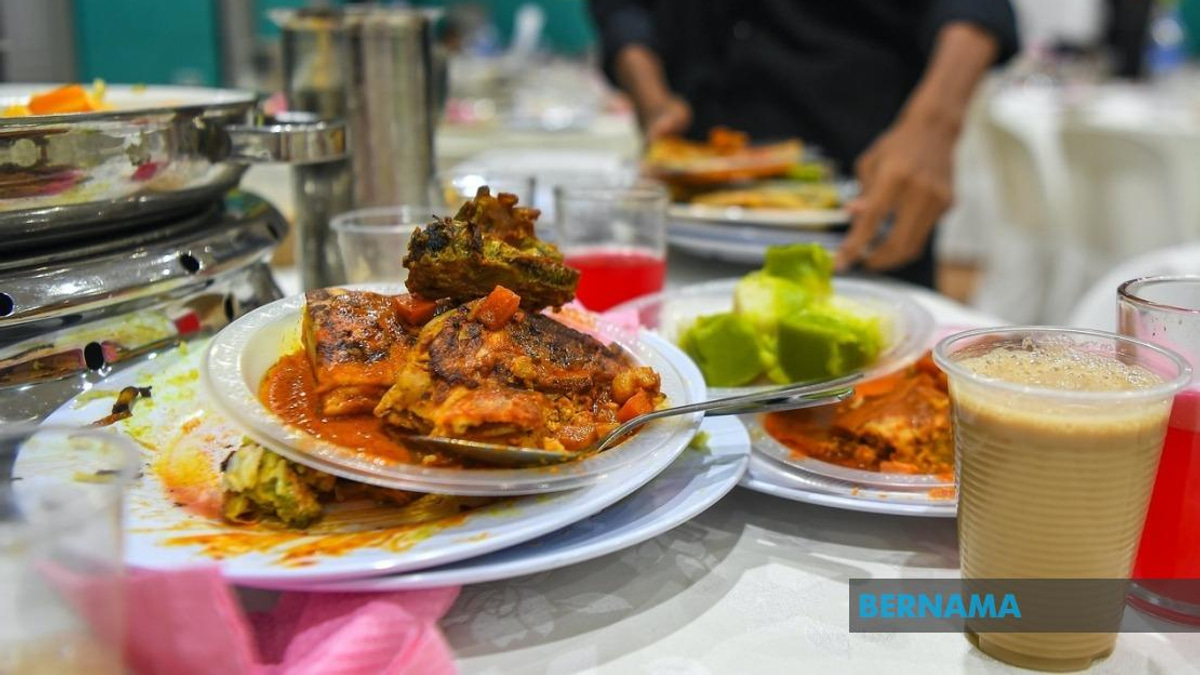
Malaysia's household food waste problem is driven by rising incomes and lifestyle changes, with wealthier urban areas generating significantly more waste than rural communities, according to the nation's Chief Statistician.
MBSB Investment Bank has upgraded its 2026 GDP growth forecast to 4.5%, citing stronger-than-expected first-half momentum and robust export performance. The positive outlook suggests Bank Negara Malaysia will maintain the Overnight Policy Rate at 2.75%.
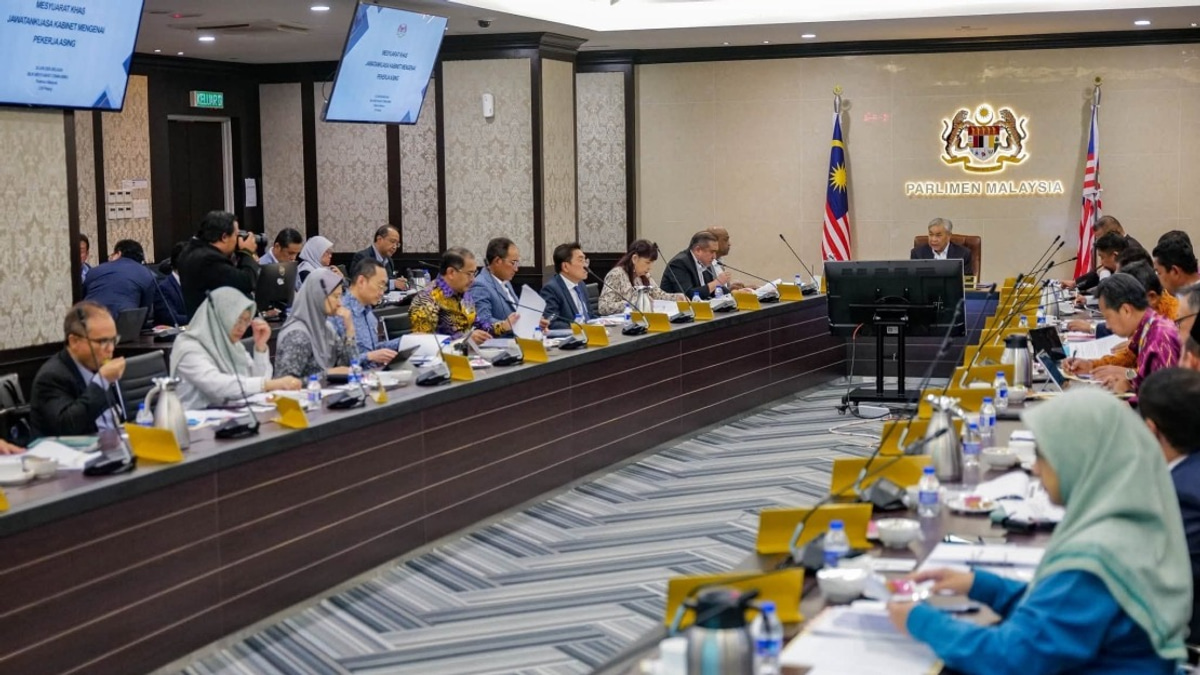
Malaysia is restructuring its foreign worker management system to enhance efficiency and coordination, Deputy Prime Minister Ahmad Zahid announced following a Cabinet Committee meeting focused on aligning labour policy with industry requirements.
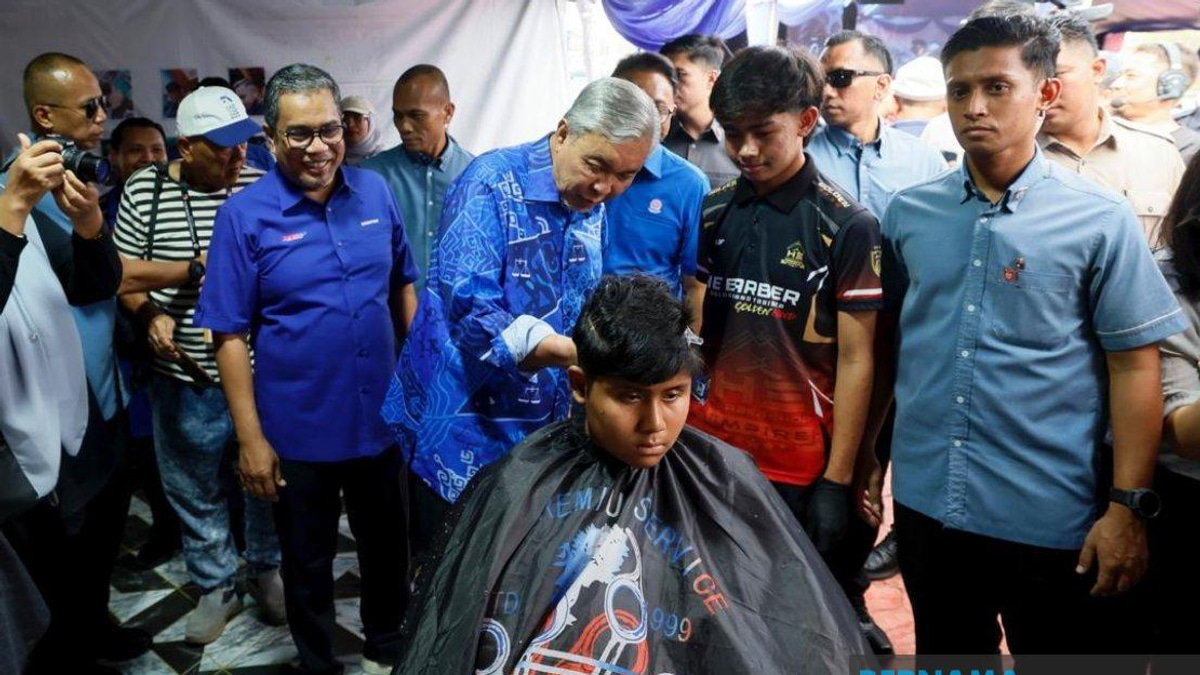
Malaysia's unemployment rate declined to 2.9% last year from 3.2% in 2024, driven largely by expanded vocational training and skills development programmes, Deputy Prime Minister Ahmad Zahid announced.
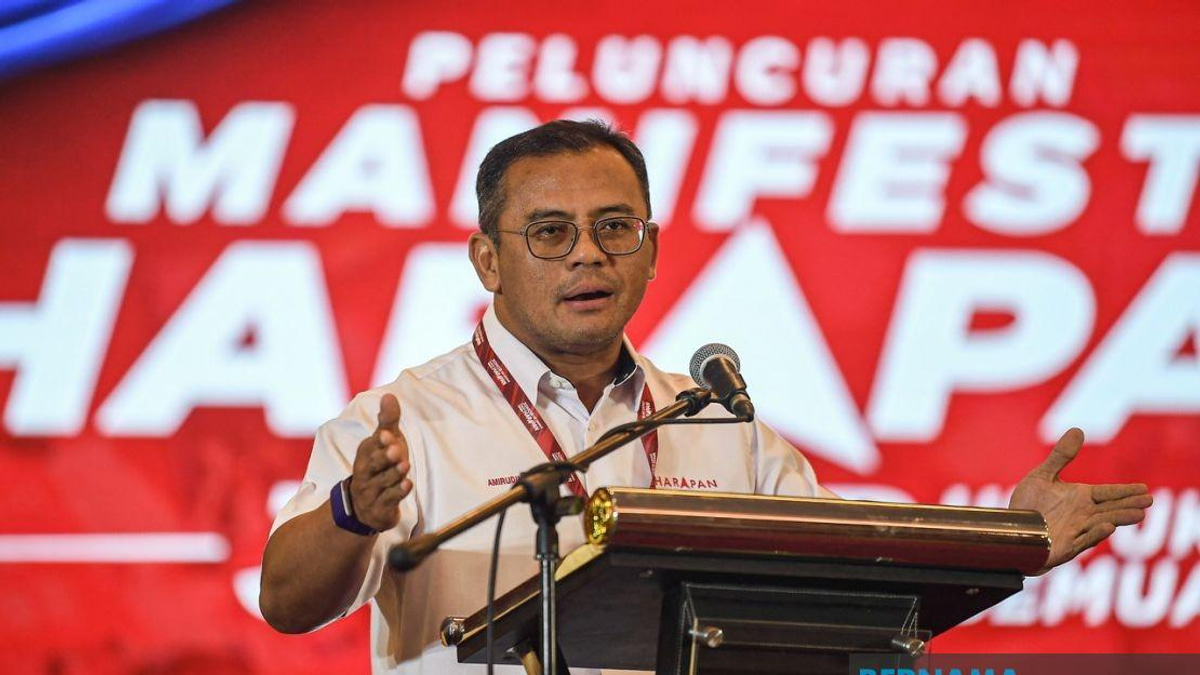
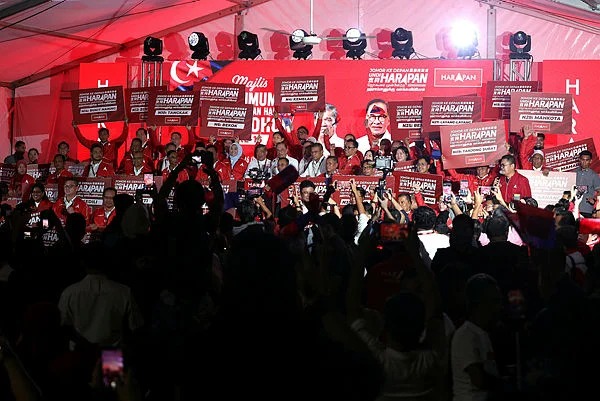
Senior Pakatan Harapan figures have highlighted the coalition's economic achievements, pointing to ringgit gains and regional GDP growth as campaign messaging in advance of the 16th Johor state election.
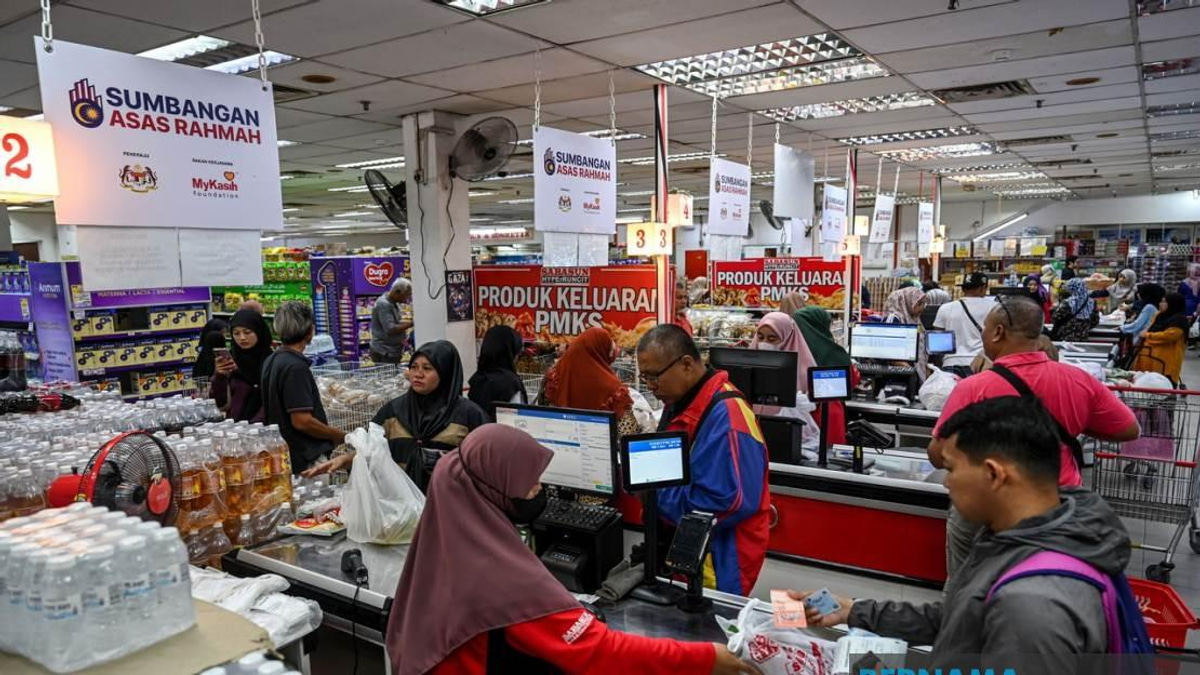
Prime Minister Datuk Seri Anwar Ibrahim has indicated the MADANI Government is examining ways to boost assistance under the STR and SARA cash aid schemes, contingent on favourable economic circumstances and upcoming Budget provisions.
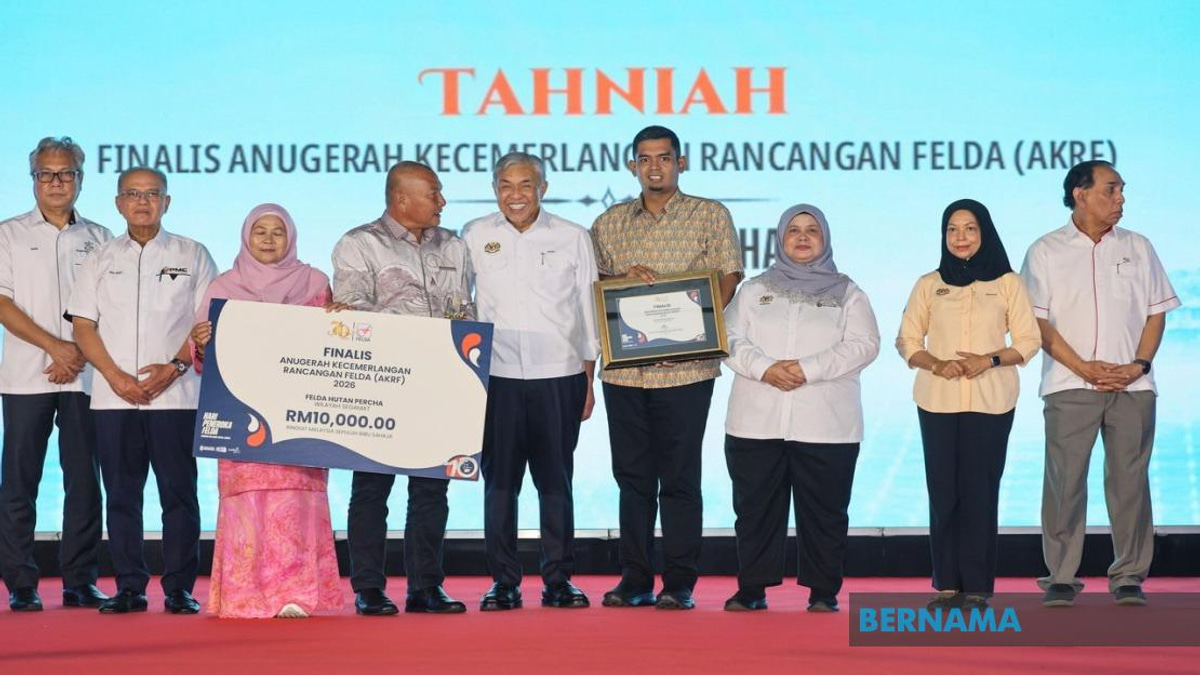
Deputy Prime Minister Ahmad Zahid Hamidi has called for rural development to transcend national boundaries, positioning Malaysian rural entrepreneurs to capture opportunities in ASEAN and the global halal economy during World Rural Development Day celebrations.
Malaysia's 2026 fiscal deficit is projected at 3.6% of GDP, only marginally above the government's 3.5% target, despite an additional RM25 billion fuel subsidy allocation to maintain RON95 petrol at RM1.99 per litre.
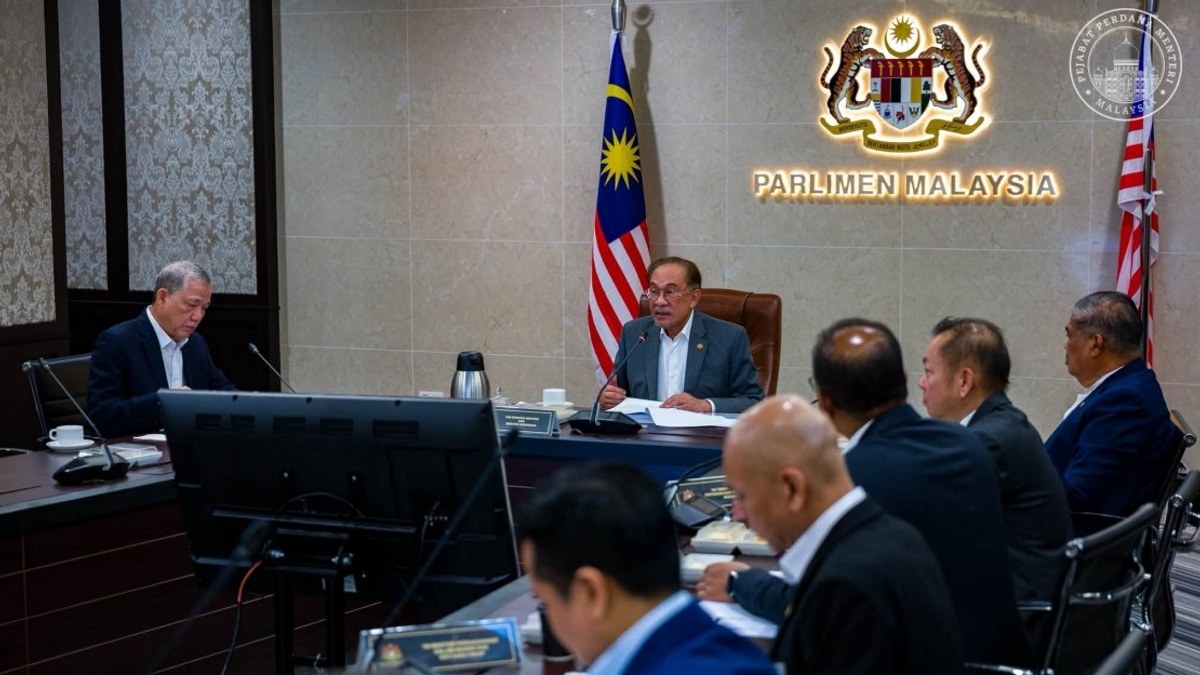
Prime Minister Anwar Ibrahim has tasked the agriculture ministry with developing immediate countermeasures to protect Malaysia's food production and farming livelihoods as a Super El Niño weather event looms from November onwards.
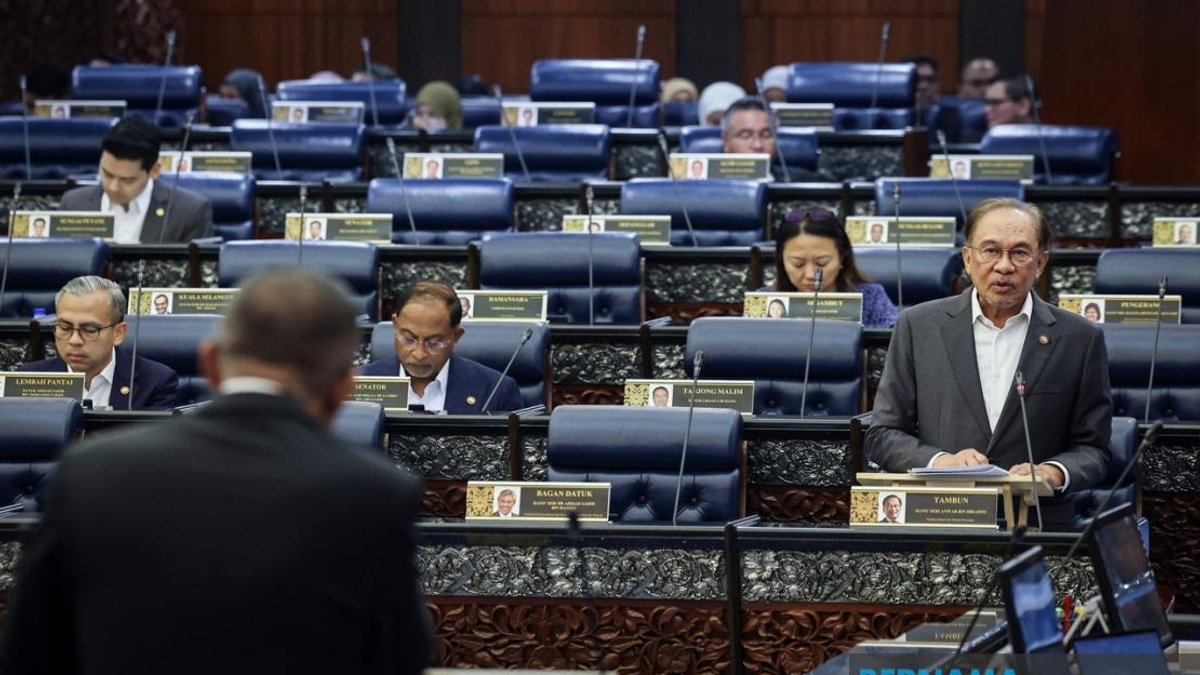
The government-backed SJPP has greenlighted RM4.9 billion in financing for over 6,000 small and medium enterprises during the first half of 2026, reinforcing the MADANI administration's commitment to bolster business sector resilience.
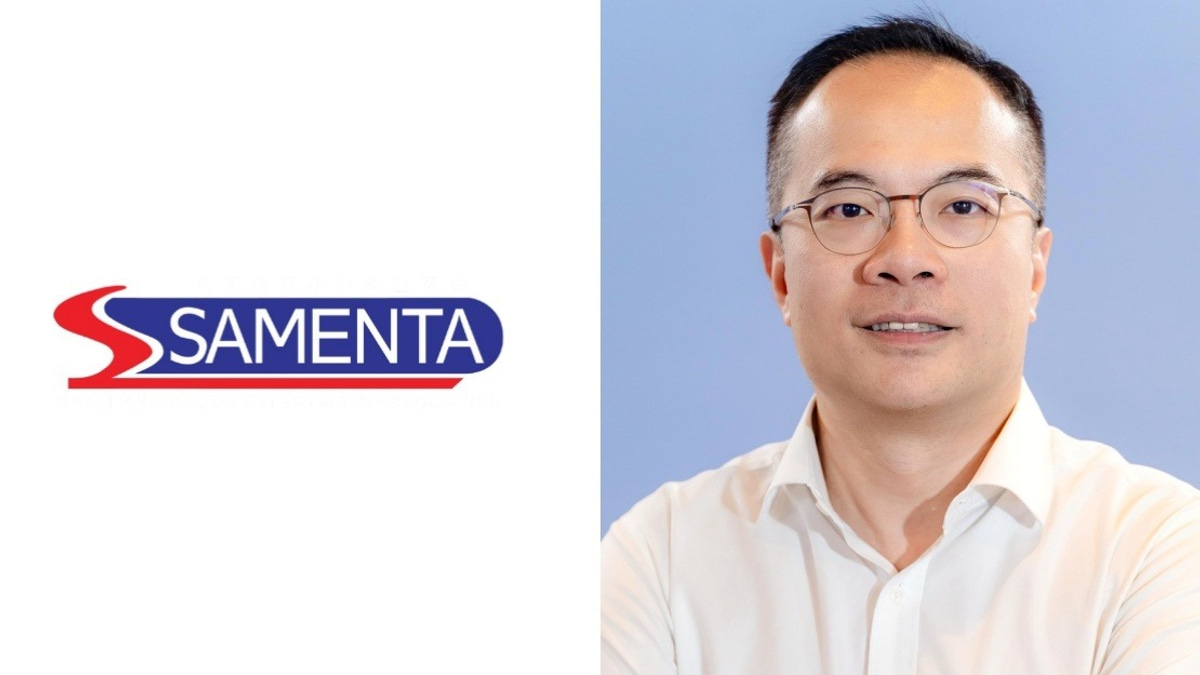
Malaysia's Small and Medium Enterprises Association is pushing government financing agencies to release regular transparency reports and establish whistleblower mechanisms to prevent cronyism and political interference in MSME funding decisions.
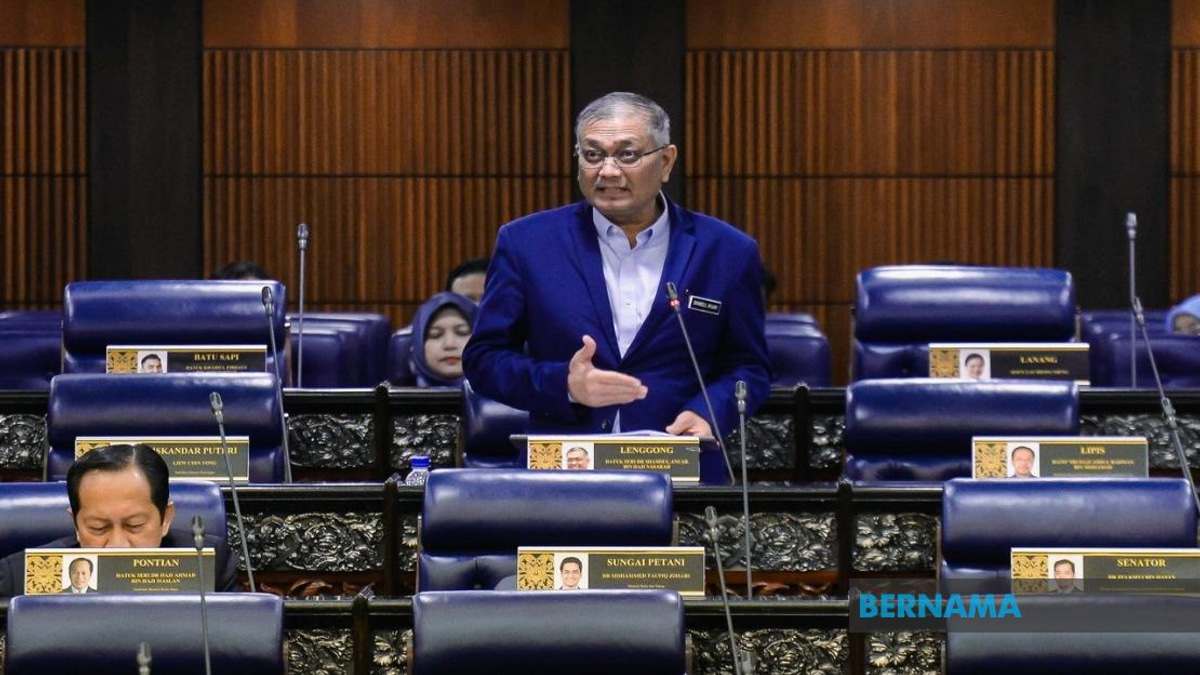
Malaysian authorities have dismantled illegal cryptocurrency mining operations on an unprecedented scale, confiscating more than 75,000 machines through coordinated enforcement efforts involving police and utility companies.
%22%2F%3E%3C%2Fpattern%3E%3C%2Fdefs%3E%3Crect%20width%3D%22100%25%22%20height%3D%22100%25%22%20fill%3D%22url(%23ph58lug)%22%2F%3E%3Crect%20width%3D%22100%25%22%20height%3D%22100%25%22%20fill%3D%22url(%23ph58lup)%22%2F%3E%3Ctext%20x%3D%2250%25%22%20y%3D%2250%25%22%20text-anchor%3D%22middle%22%20dominant-baseline%3D%22central%22%20fill%3D%22rgba(255%2C255%2C255%2C0.95)%22%20font-family%3D%22Georgia%2C%20'Times%20New%20Roman'%2C%20serif%22%20font-weight%3D%22700%22%20font-size%3D%22194%22%20letter-spacing%3D%22-0.02em%22%3ECabinet%3C%2Ftext%3E%3C%2Fsvg%3E)
Malaysia's Cabinet has approved a review of the e-invoice system and mandatory EPF contributions for non-citizen workers, citing burdens on traders and employers amid global economic uncertainty.
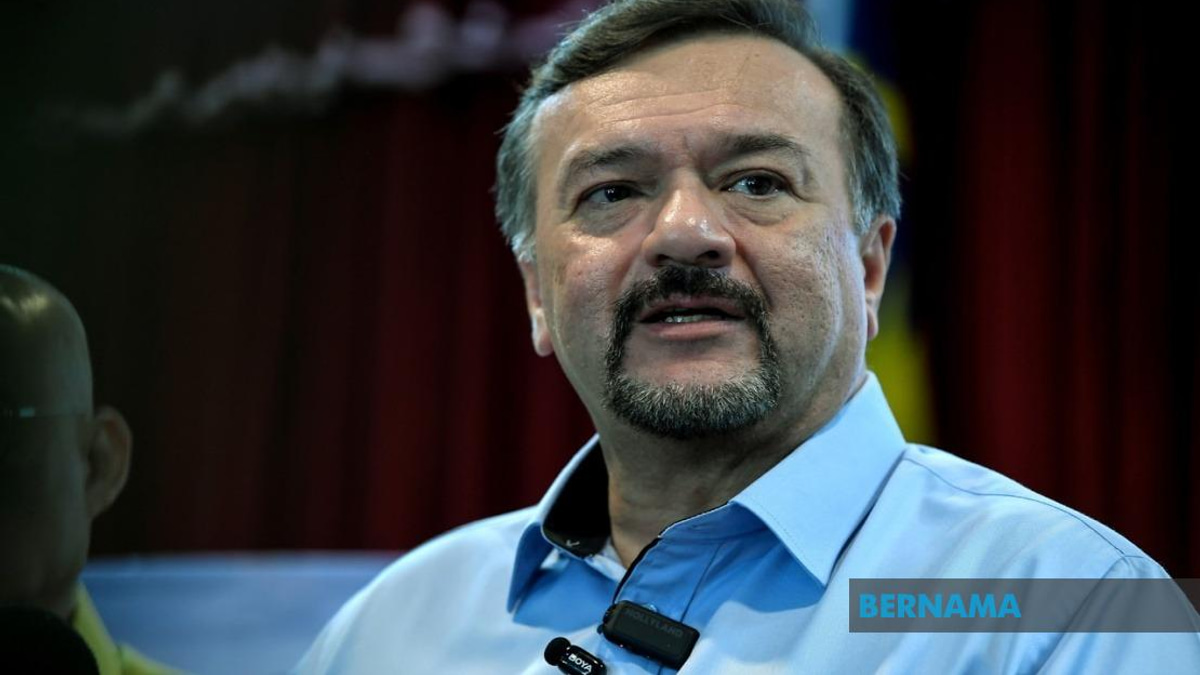
Malaysia's Finance Minister II Datuk Seri Amir Hamzah Azizan announced plans to strengthen Langkawi's domestic and international connectivity through increased flight frequencies and improved ferry services, while tackling SME competitiveness issues including tax and customs procedures.
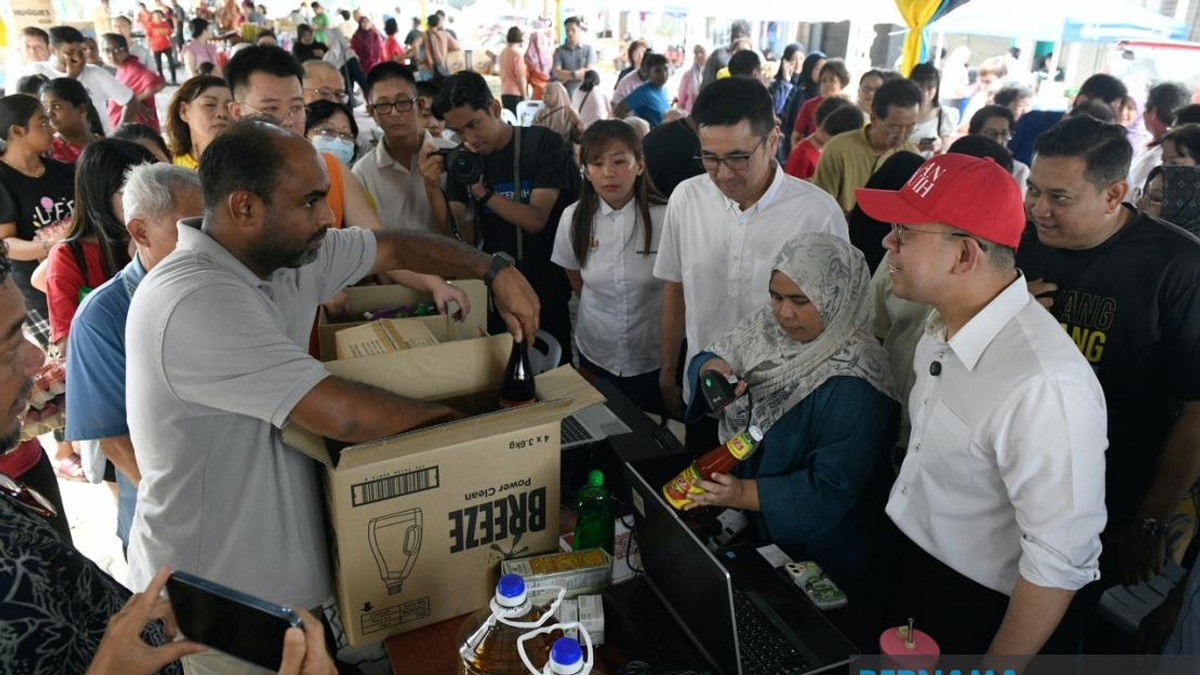
Malaysia's Ministry of Entrepreneur and Cooperatives Development is intensifying efforts to help small businesses and cooperatives capitalise on a thriving retail sector, with wholesale and retail trade reaching RM175 billion in sales.
%22%2F%3E%3C%2Fpattern%3E%3C%2Fdefs%3E%3Crect%20width%3D%22100%25%22%20height%3D%22100%25%22%20fill%3D%22url(%23ph136lug)%22%2F%3E%3Crect%20width%3D%22100%25%22%20height%3D%22100%25%22%20fill%3D%22url(%23ph136lup)%22%2F%3E%3Ctext%20x%3D%2250%25%22%20y%3D%2250%25%22%20text-anchor%3D%22middle%22%20dominant-baseline%3D%22central%22%20fill%3D%22rgba(255%2C255%2C255%2C0.95)%22%20font-family%3D%22Georgia%2C%20'Times%20New%20Roman'%2C%20serif%22%20font-weight%3D%22700%22%20font-size%3D%22170%22%20letter-spacing%3D%22-0.02em%22%3EMalaysia%3C%2Ftext%3E%3C%2Fsvg%3E)
Malaysia's Cabinet Committee will convene next week under Deputy Prime Minister Zahid's leadership to address escalating foreign worker concerns, particularly affecting the food and beverage sector and broader labour market stability.
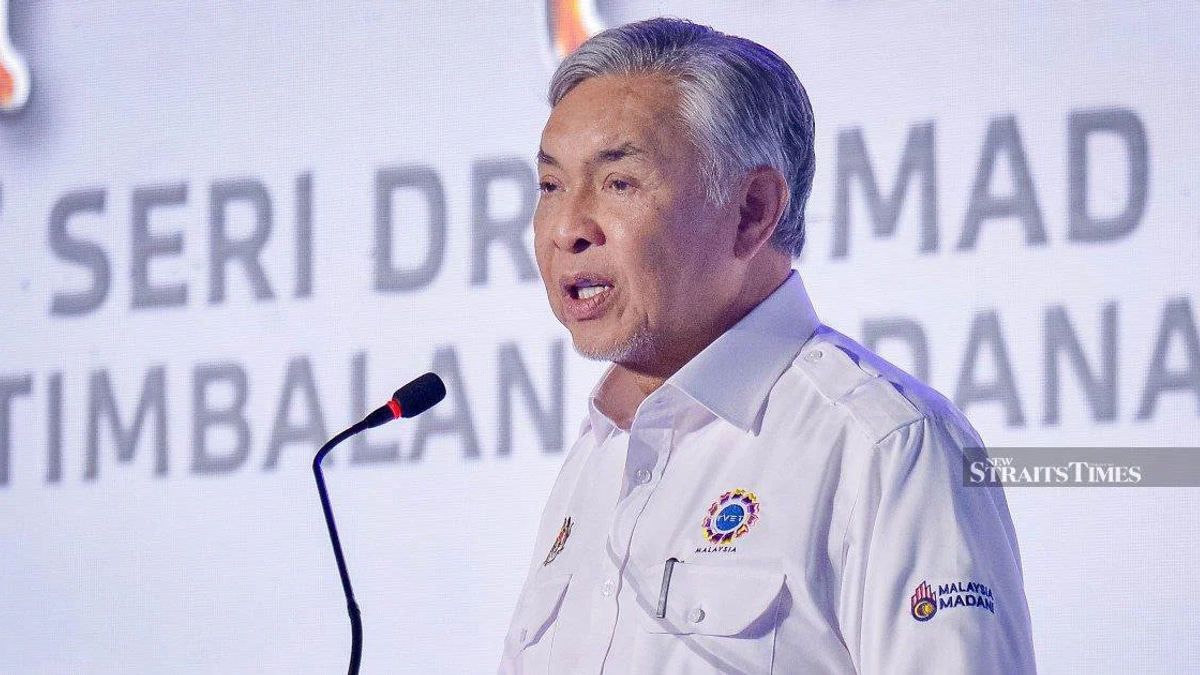
Deputy Prime Minister Ahmad Zahid Hamidi will chair a Cabinet committee meeting next week to address escalating foreign worker issues, with particular focus on the food and beverage sector's labour challenges.
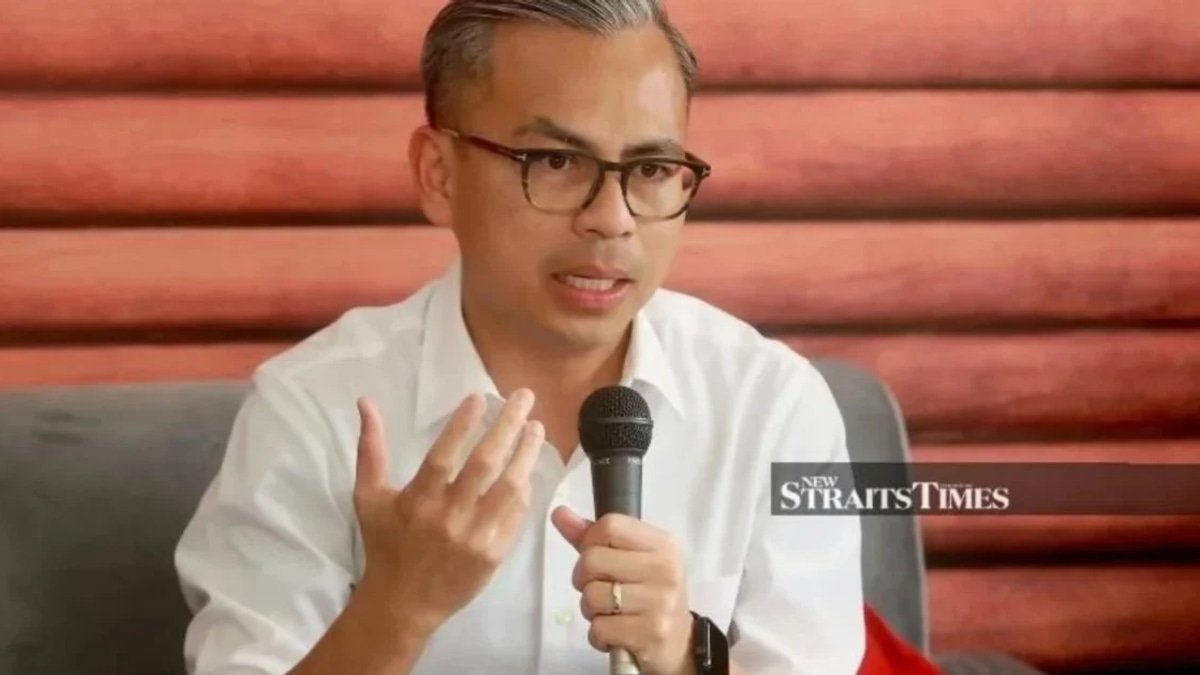
Prime Minister Anwar Ibrahim's recent diplomatic missions to Russia and Turkmenistan have yielded tangible economic benefits, with government officials crediting these visits for securing lower subsidised diesel prices announced last week.
%22%2F%3E%3C%2Fpattern%3E%3C%2Fdefs%3E%3Crect%20width%3D%22100%25%22%20height%3D%22100%25%22%20fill%3D%22url(%23ph23hlfg)%22%2F%3E%3Crect%20width%3D%22100%25%22%20height%3D%22100%25%22%20fill%3D%22url(%23ph23hlfp)%22%2F%3E%3Ctext%20x%3D%2250%25%22%20y%3D%2250%25%22%20text-anchor%3D%22middle%22%20dominant-baseline%3D%22central%22%20fill%3D%22rgba(255%2C255%2C255%2C0.95)%22%20font-family%3D%22Georgia%2C%20'Times%20New%20Roman'%2C%20serif%22%20font-weight%3D%22700%22%20font-size%3D%22194%22%20letter-spacing%3D%22-0.02em%22%3ECabinet%3C%2Ftext%3E%3C%2Fsvg%3E)
Malaysia's Cabinet will convene a dedicated committee meeting on foreign workers next week, chaired by Deputy Prime Minister Ahmad Zahid Hamidi, to address labour shortages affecting multiple sectors including food and beverage.
%22%2F%3E%3C%2Fpattern%3E%3C%2Fdefs%3E%3Crect%20width%3D%22100%25%22%20height%3D%22100%25%22%20fill%3D%22url(%23ph2ihu4g)%22%2F%3E%3Crect%20width%3D%22100%25%22%20height%3D%22100%25%22%20fill%3D%22url(%23ph2ihu4p)%22%2F%3E%3Ctext%20x%3D%2250%25%22%20y%3D%2250%25%22%20text-anchor%3D%22middle%22%20dominant-baseline%3D%22central%22%20fill%3D%22rgba(255%2C255%2C255%2C0.95)%22%20font-family%3D%22Georgia%2C%20'Times%20New%20Roman'%2C%20serif%22%20font-weight%3D%22700%22%20font-size%3D%22272%22%20letter-spacing%3D%22-0.02em%22%3EAnwar%3C%2Ftext%3E%3C%2Fsvg%3E)
Prime Minister Anwar Ibrahim has instructed local authorities to accelerate their approval processes, aiming to remove bureaucratic obstacles that hinder Malaysia's economic competitiveness and investment appeal.
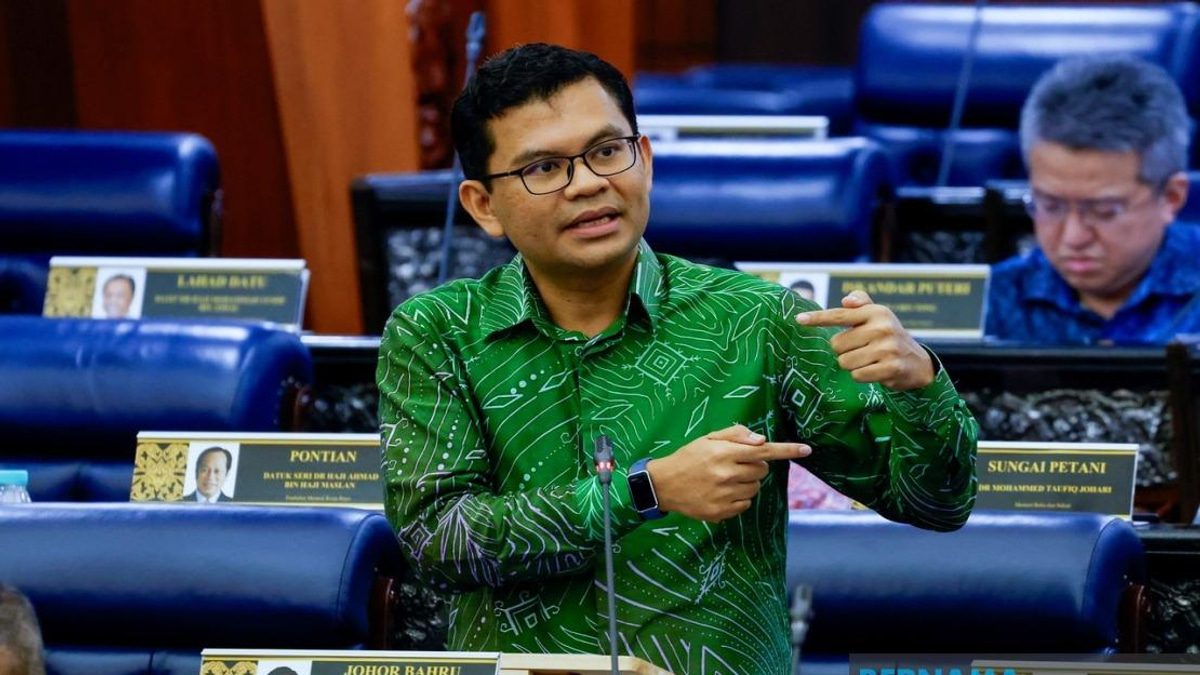
Malaysia's labour market remained stable in the first half of 2026, with unemployment dropping 20% to 6,197 people by mid-June. Employment placements through government programmes increased sharply, signalling economic resilience despite global headwinds.
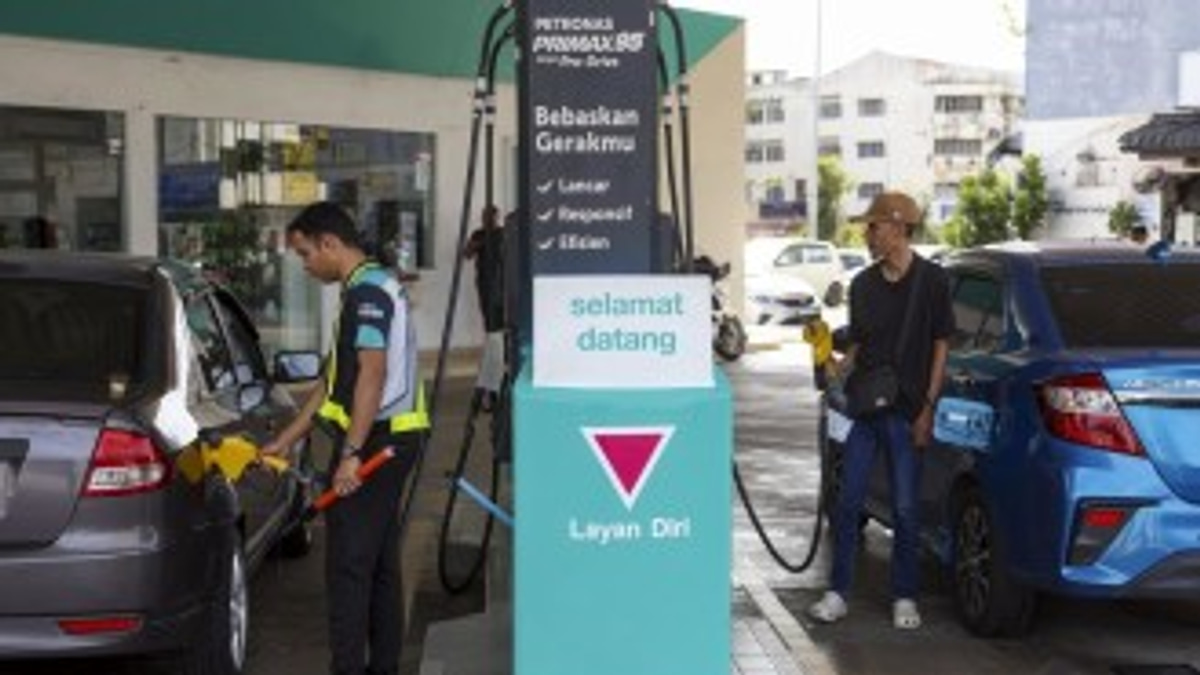
Petronas fuel supplies across its nationwide station network will remain stable and adequate through August, the government confirmed. A new Crisis Management Task Force monitors fuel security amid global energy tensions.
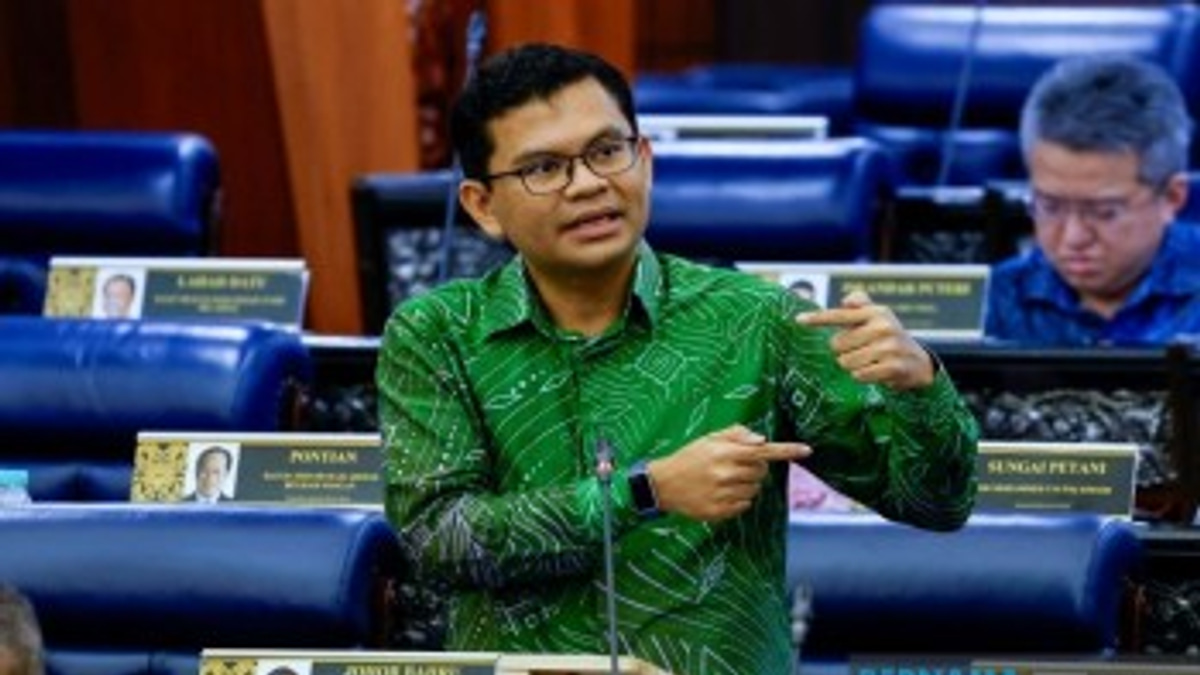
Malaysia's Economy Minister Akmal Nasrullah says over RM4 billion remains available under Bank Negara Malaysia's SME Stabilisation Relief Facility, with approvals exceeding RM700 million for more than 1,000 enterprises so far.
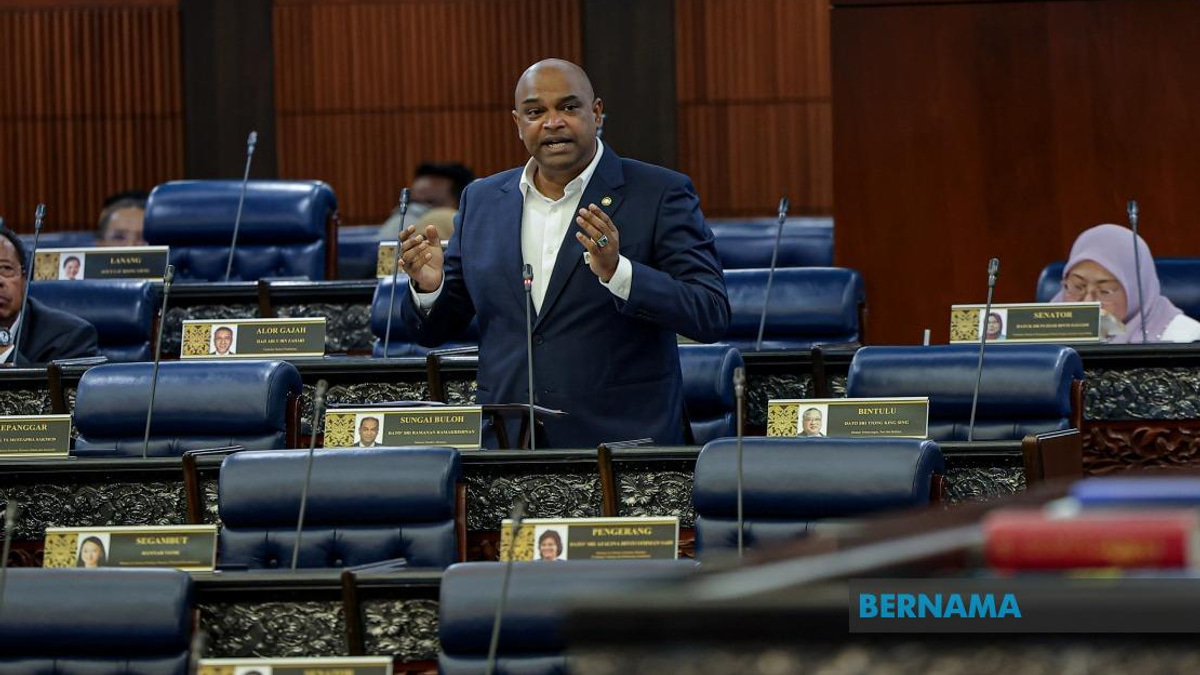
Malaysia's Human Resources Minister has clarified that business closures and downsizing, rather than artificial intelligence, are the primary drivers of employment losses. Nearly 43,000 workers have been retrenched since January, with Kuala Lumpur hardest hit.
%22%2F%3E%3C%2Fpattern%3E%3C%2Fdefs%3E%3Crect%20width%3D%22100%25%22%20height%3D%22100%25%22%20fill%3D%22url(%23ph497k6g)%22%2F%3E%3Crect%20width%3D%22100%25%22%20height%3D%22100%25%22%20fill%3D%22url(%23ph497k6p)%22%2F%3E%3Ctext%20x%3D%2250%25%22%20y%3D%2250%25%22%20text-anchor%3D%22middle%22%20dominant-baseline%3D%22central%22%20fill%3D%22rgba(255%2C255%2C255%2C0.95)%22%20font-family%3D%22Georgia%2C%20'Times%20New%20Roman'%2C%20serif%22%20font-weight%3D%22700%22%20font-size%3D%22170%22%20letter-spacing%3D%22-0.02em%22%3EMalaysia%3C%2Ftext%3E%3C%2Fsvg%3E)
Prime Minister Anwar Ibrahim attributes Malaysia's advancement in the global competitiveness index to stronger civil service efficiency and institutional reforms, highlighting the government's focus on modernisation.
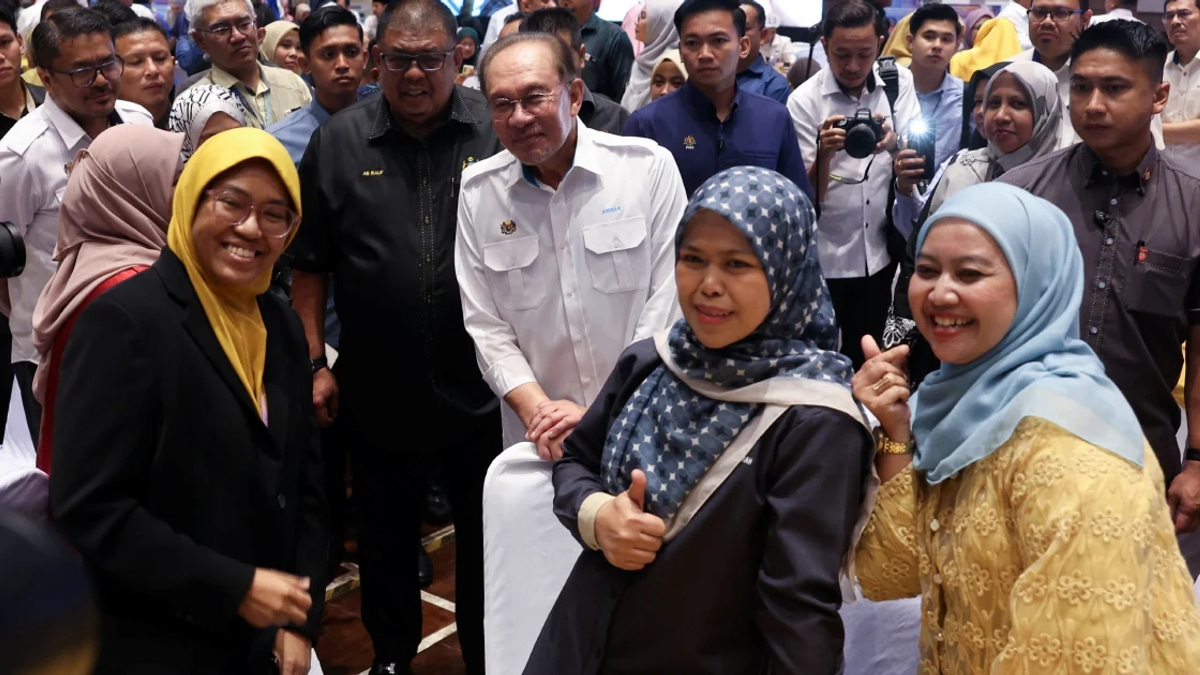
Prime Minister Anwar Ibrahim has attributed Malaysia's significant climb in the IMD World Competitiveness Index 2026—from 23rd place to 15th—to the dedication and reform efforts of the nation's civil service.
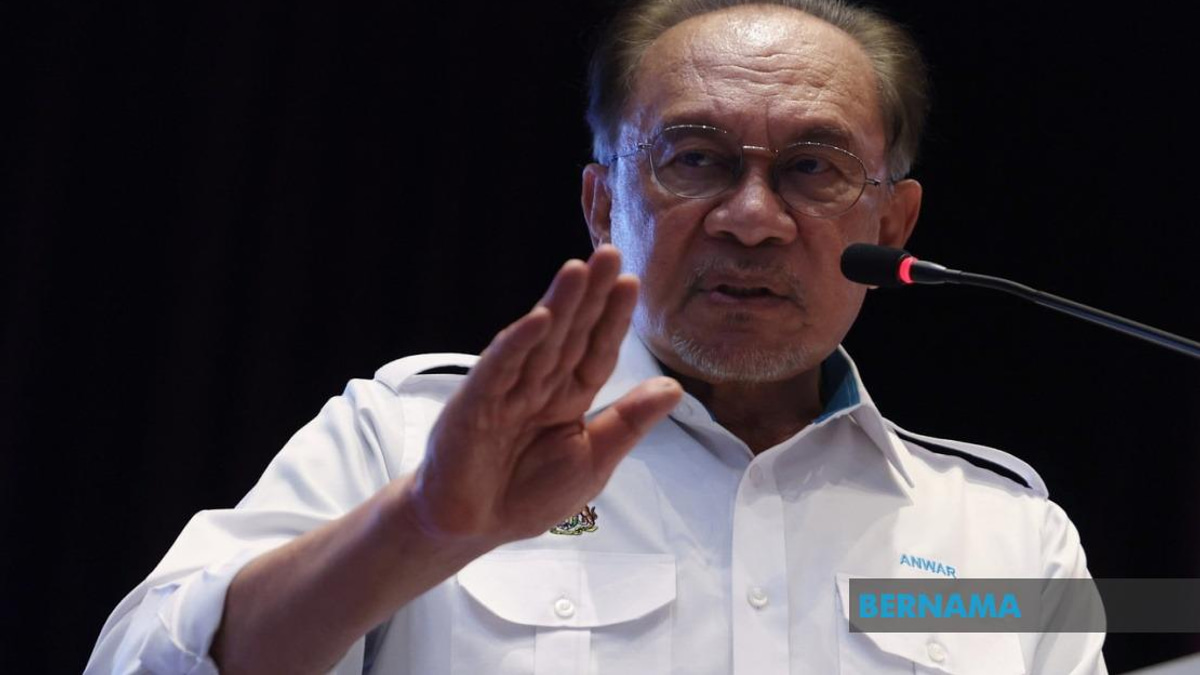
Prime Minister Anwar Ibrahim has credited Malaysia's civil service for the country's improved showing in the IMD World Competitiveness Index 2026, where Malaysia jumped eight places to rank 15th globally.
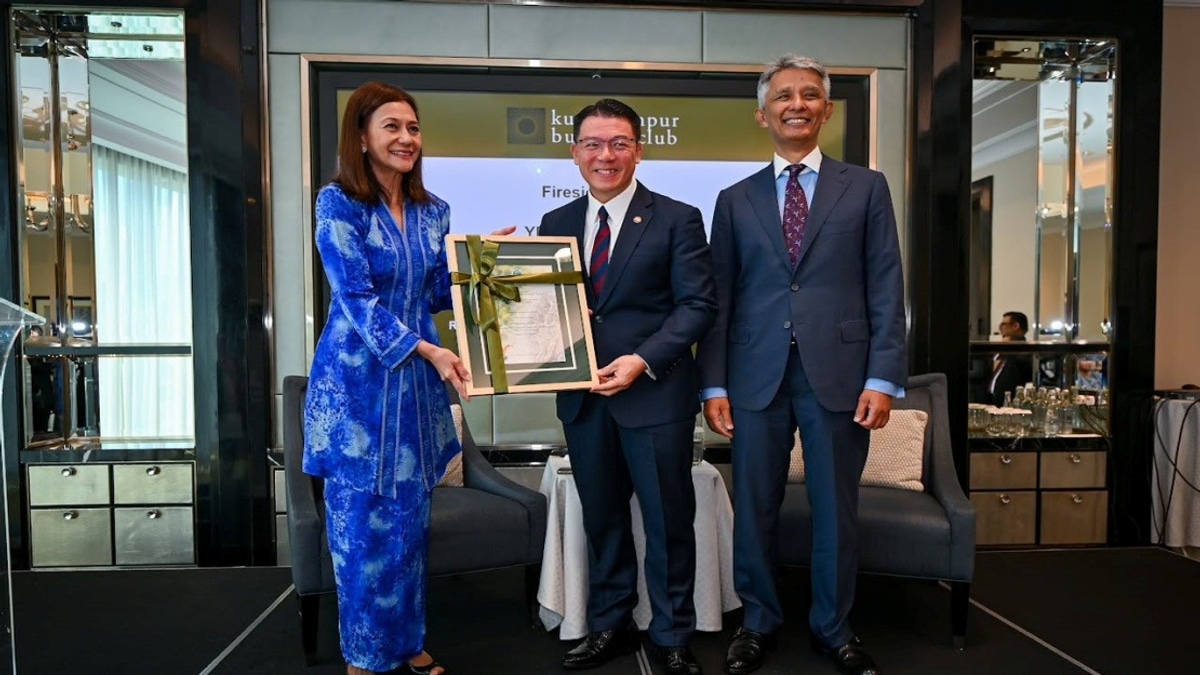
Housing Minister Nga Kor Ming has underscored the importance of consistent policy implementation under the MADANI framework to deepen Malaysia's economic reforms and maintain investor confidence for long-term growth.
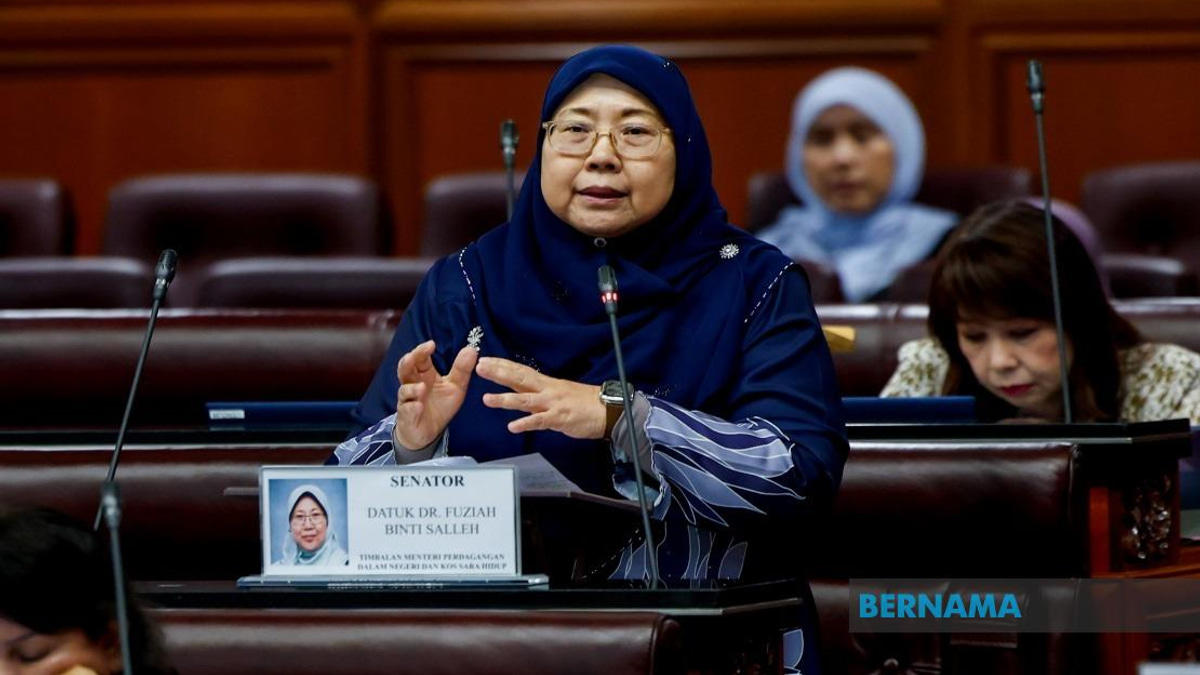
The Malaysia Competition Commission has concluded that the residential property sector shows no signs of anti-competitive behaviour affecting house prices, according to Deputy Domestic Trade Minister Datuk Dr Fuziah Salleh.
%22%2F%3E%3C%2Fpattern%3E%3C%2Fdefs%3E%3Crect%20width%3D%22100%25%22%20height%3D%22100%25%22%20fill%3D%22url(%23ph44s5wg)%22%2F%3E%3Crect%20width%3D%22100%25%22%20height%3D%22100%25%22%20fill%3D%22url(%23ph44s5wp)%22%2F%3E%3Ctext%20x%3D%2250%25%22%20y%3D%2250%25%22%20text-anchor%3D%22middle%22%20dominant-baseline%3D%22central%22%20fill%3D%22rgba(255%2C255%2C255%2C0.95)%22%20font-family%3D%22Georgia%2C%20'Times%20New%20Roman'%2C%20serif%22%20font-weight%3D%22700%22%20font-size%3D%22272%22%20letter-spacing%3D%22-0.02em%22%3ESabah%3C%2Ftext%3E%3C%2Fsvg%3E)
Sabah's pork market faces mounting pressure as live pig prices climb to RM16 per kilogramme, creating hardship for traders and consumers. The deputy agriculture minister has flagged the situation as concerning.
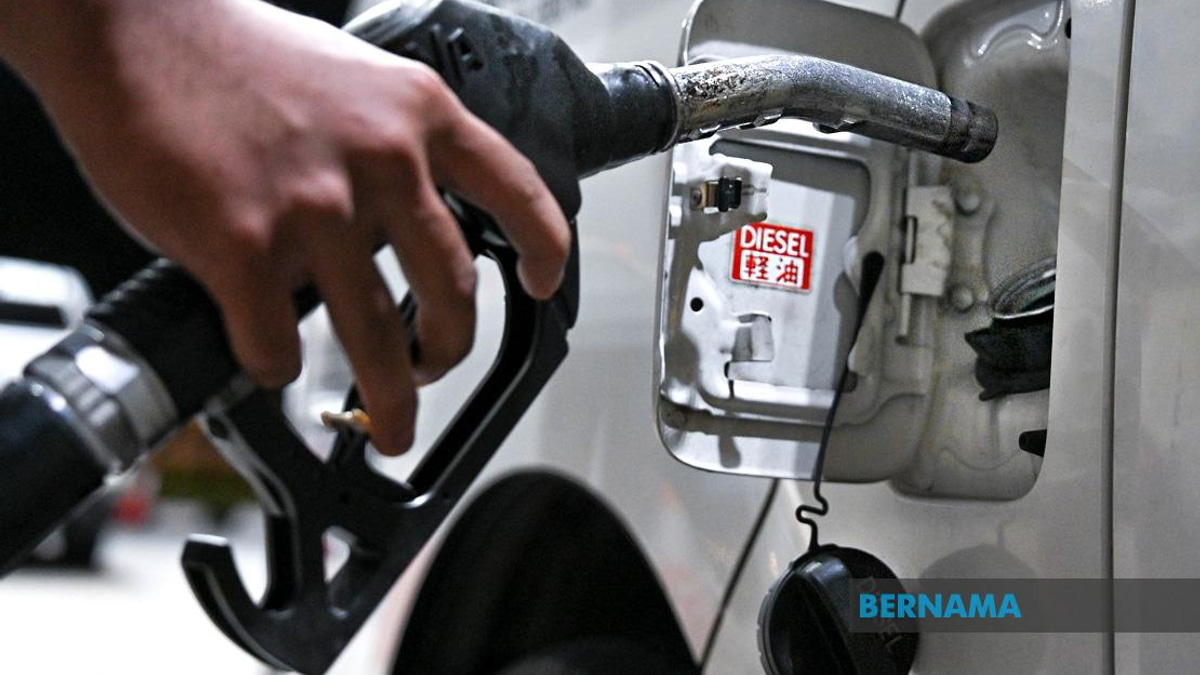
Malaysia's government will launch the BUDI MADANI Diesel programme on July 1, capping subsidised diesel at RM2.10 per litre for 700,000 eligible vehicle owners. The initiative aims to save RM2 billion annually by curbing smuggling and subsidy abuse.
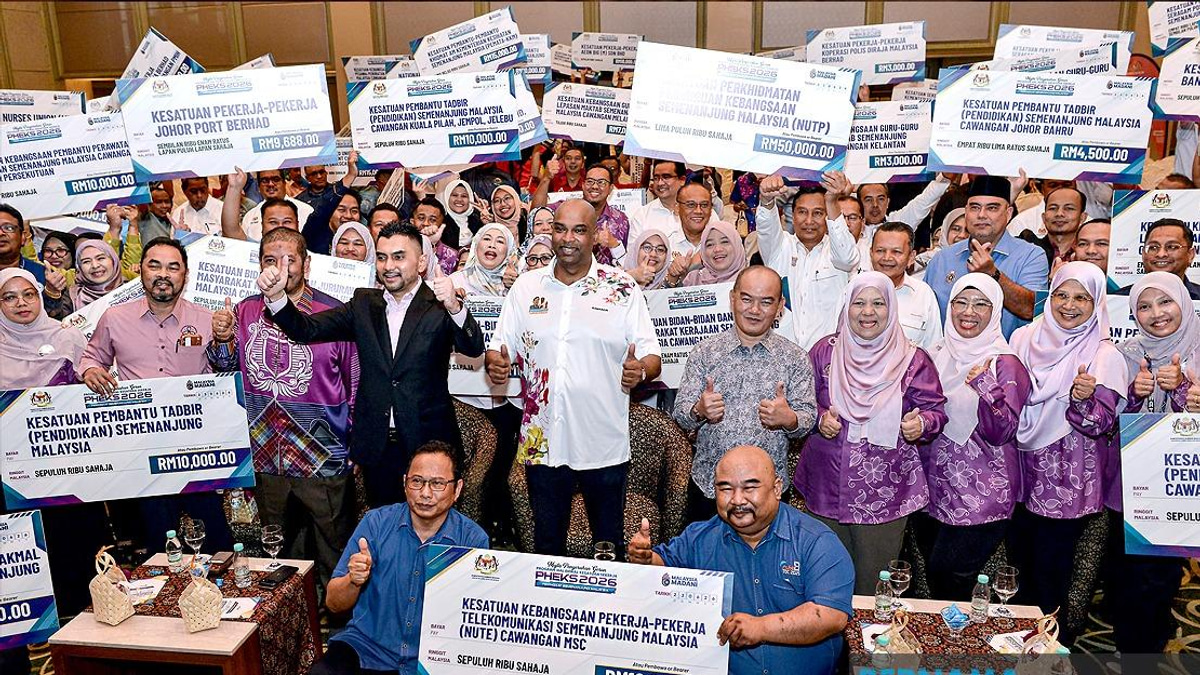
Malaysia's union membership stands at just 6% of the total workforce despite 1.06 million members across 786 registered unions. Human Resources Minister Datuk Seri R. Ramanan says awareness of union benefits remains limited.
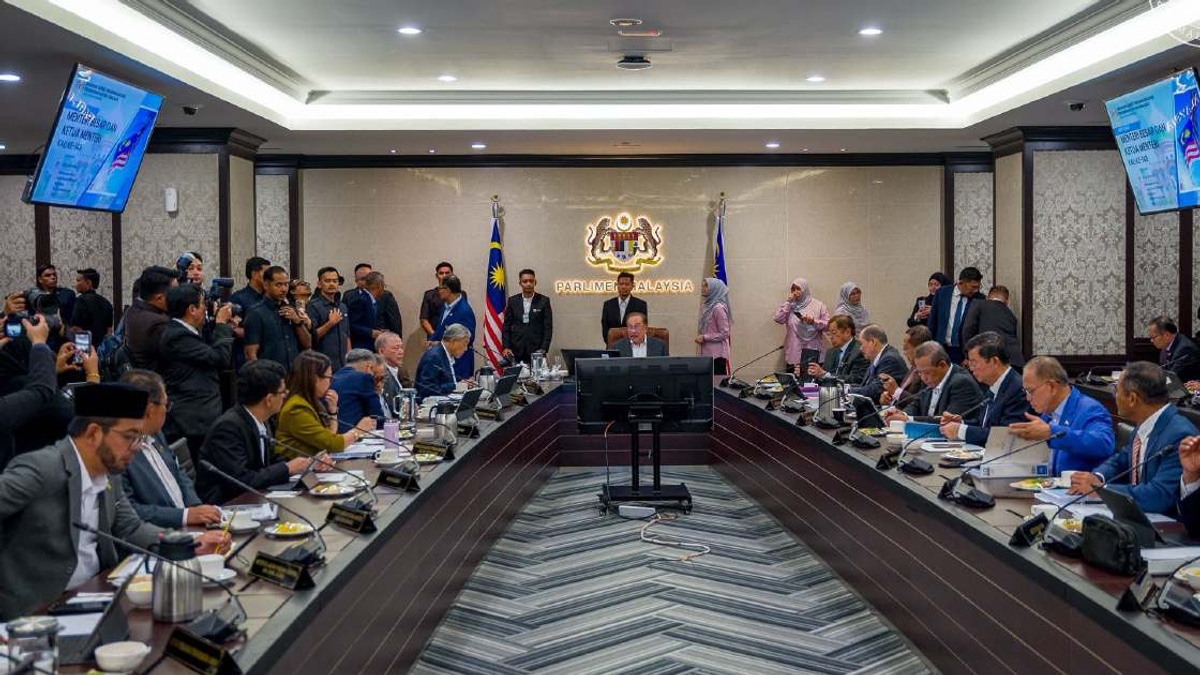
Prime Minister Anwar Ibrahim convened the 149th meeting of state leaders at Parliament to address economic recovery strategies, with focus on safeguarding Malaysia's growth amid international instability and Middle Eastern tensions.
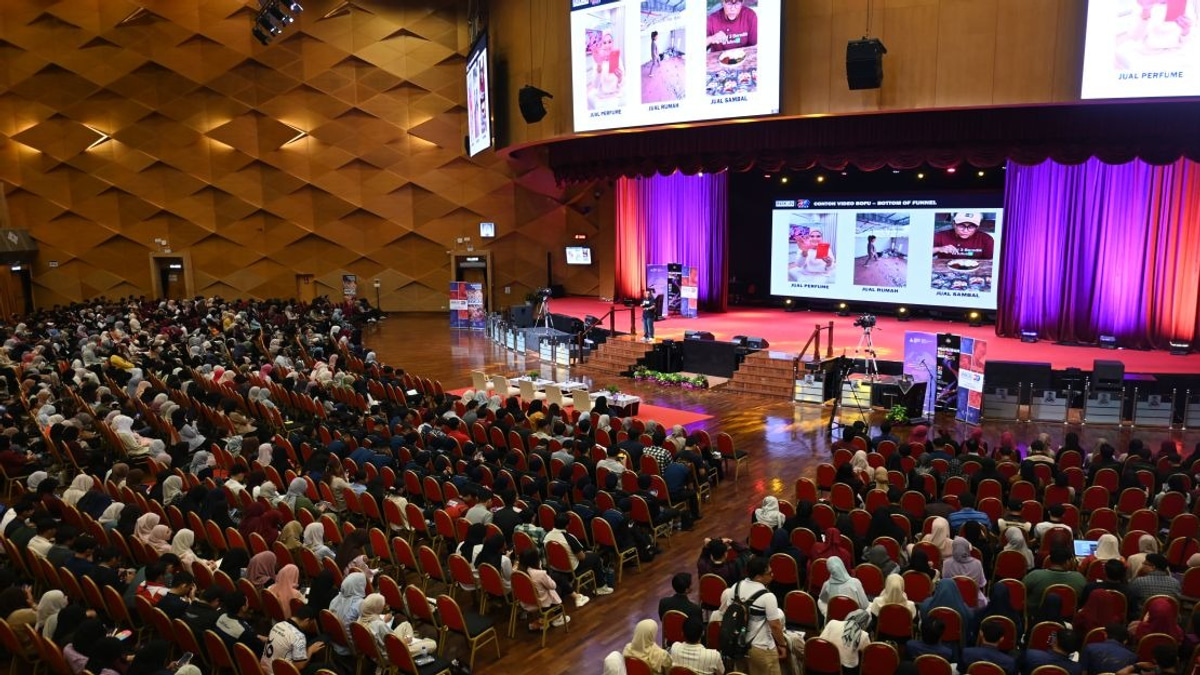
A landmark entrepreneurship seminar organised by INSKEN and UiTM attracted nearly 7,000 participants nationally, earning a Malaysia Book of Records distinction and signalling strong youth interest in business ventures.
Malaysia is reducing subsidised diesel prices to RM2.10 per litre from July, with the government citing early success of its targeted subsidy system using MyKad verification to combat fuel smuggling and subsidy leakage.
%22%2F%3E%3C%2Fpattern%3E%3C%2Fdefs%3E%3Crect%20width%3D%22100%25%22%20height%3D%22100%25%22%20fill%3D%22url(%23ph39isdg)%22%2F%3E%3Crect%20width%3D%22100%25%22%20height%3D%22100%25%22%20fill%3D%22url(%23ph39isdp)%22%2F%3E%3Ctext%20x%3D%2250%25%22%20y%3D%2250%25%22%20text-anchor%3D%22middle%22%20dominant-baseline%3D%22central%22%20fill%3D%22rgba(255%2C255%2C255%2C0.95)%22%20font-family%3D%22Georgia%2C%20'Times%20New%20Roman'%2C%20serif%22%20font-weight%3D%22700%22%20font-size%3D%22226%22%20letter-spacing%3D%22-0.02em%22%3EMental%3C%2Ftext%3E%3C%2Fsvg%3E)
Malaysia faces a projected RM25.3 billion economic burden from mental health issues by 2030 unless intervention measures are implemented urgently, with depression cases among adults doubling since 2019.
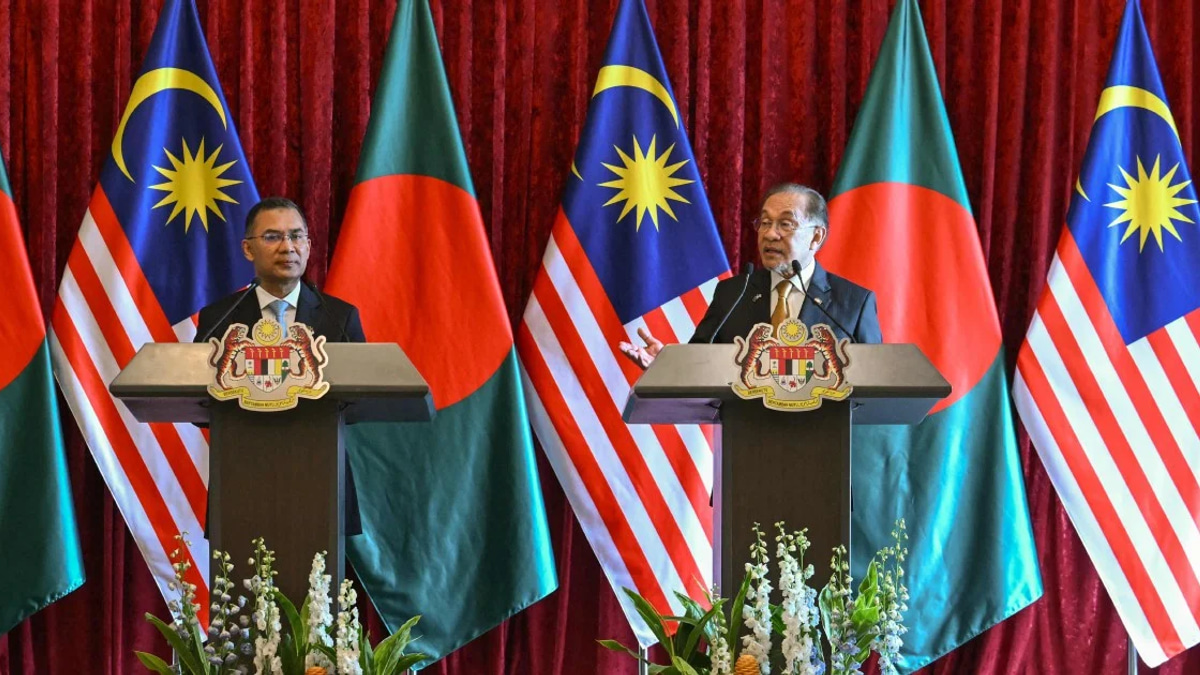
Prime Minister Anwar Ibrahim has committed to cracking down on the exploitation of Bangladeshi migrant workers, acknowledging their indispensable role in Malaysia's economic framework and pledging comprehensive protective measures.
%22%2F%3E%3C%2Fpattern%3E%3C%2Fdefs%3E%3Crect%20width%3D%22100%25%22%20height%3D%22100%25%22%20fill%3D%22url(%23ph3mk5zg)%22%2F%3E%3Crect%20width%3D%22100%25%22%20height%3D%22100%25%22%20fill%3D%22url(%23ph3mk5zp)%22%2F%3E%3Ctext%20x%3D%2250%25%22%20y%3D%2250%25%22%20text-anchor%3D%22middle%22%20dominant-baseline%3D%22central%22%20fill%3D%22rgba(255%2C255%2C255%2C0.95)%22%20font-family%3D%22Georgia%2C%20'Times%20New%20Roman'%2C%20serif%22%20font-weight%3D%22700%22%20font-size%3D%22272%22%20letter-spacing%3D%22-0.02em%22%3ETEKUN%3C%2Ftext%3E%3C%2Fsvg%3E)
Malaysia's entrepreneur financing agency TEKUN Nasional is piloting a 24-hour approval process for loans under RM20,000, set to launch within two to three months. The initiative aims to ease cash-flow pressures for micro and small businesses.
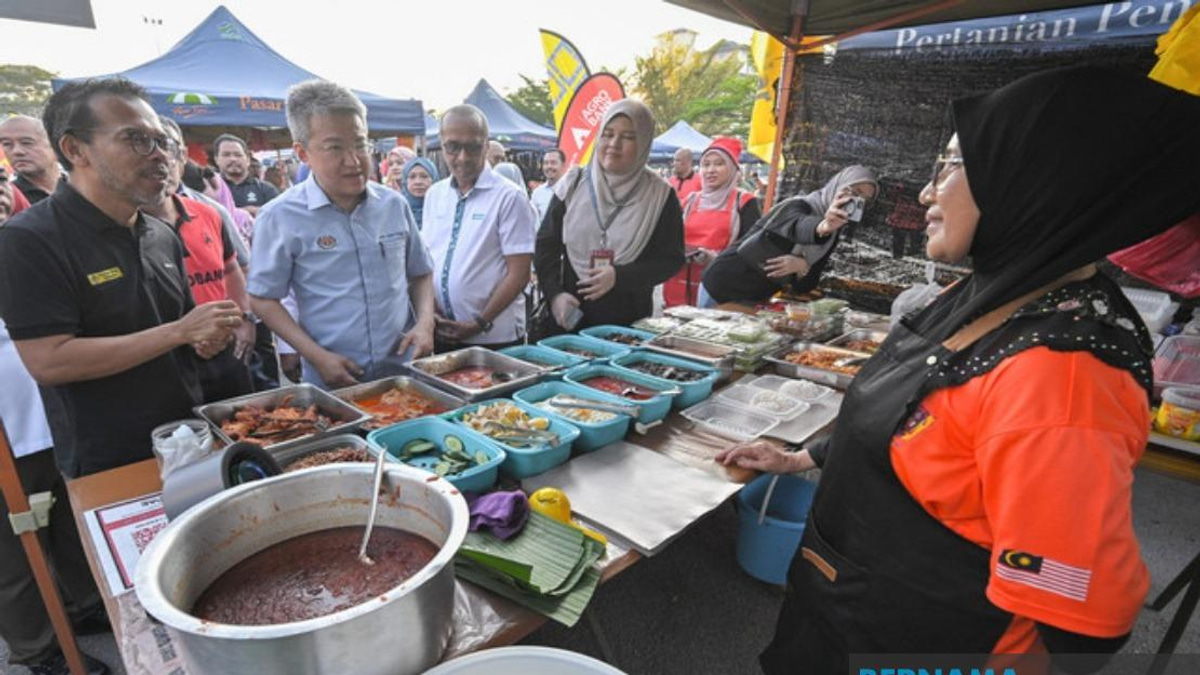
Malaysia's government has committed RM9.8 billion through six major financial institutions to expand microfinance access for hawkers and small traders, with a grassroots approach bringing lenders directly to market communities.
%22%2F%3E%3C%2Fpattern%3E%3C%2Fdefs%3E%3Crect%20width%3D%22100%25%22%20height%3D%22100%25%22%20fill%3D%22url(%23ph2exp5g)%22%2F%3E%3Crect%20width%3D%22100%25%22%20height%3D%22100%25%22%20fill%3D%22url(%23ph2exp5p)%22%2F%3E%3Ctext%20x%3D%2250%25%22%20y%3D%2250%25%22%20text-anchor%3D%22middle%22%20dominant-baseline%3D%22central%22%20fill%3D%22rgba(255%2C255%2C255%2C0.95)%22%20font-family%3D%22Georgia%2C%20'Times%20New%20Roman'%2C%20serif%22%20font-weight%3D%22700%22%20font-size%3D%22320%22%20letter-spacing%3D%22-0.02em%22%3E300%3C%2Ftext%3E%3C%2Fsvg%3E)
The Ministry of Entrepreneur Development and Cooperatives has channelled nearly RM100 million to more than 4,300 entrepreneurs in Melaka, bolstering MSME expansion and job creation in the state.

Malaysia faces a mounting property crisis with 14,201 completed residential units valued at RM2.77 billion remaining unsold, signalling a fundamental misalignment between construction and household incomes.
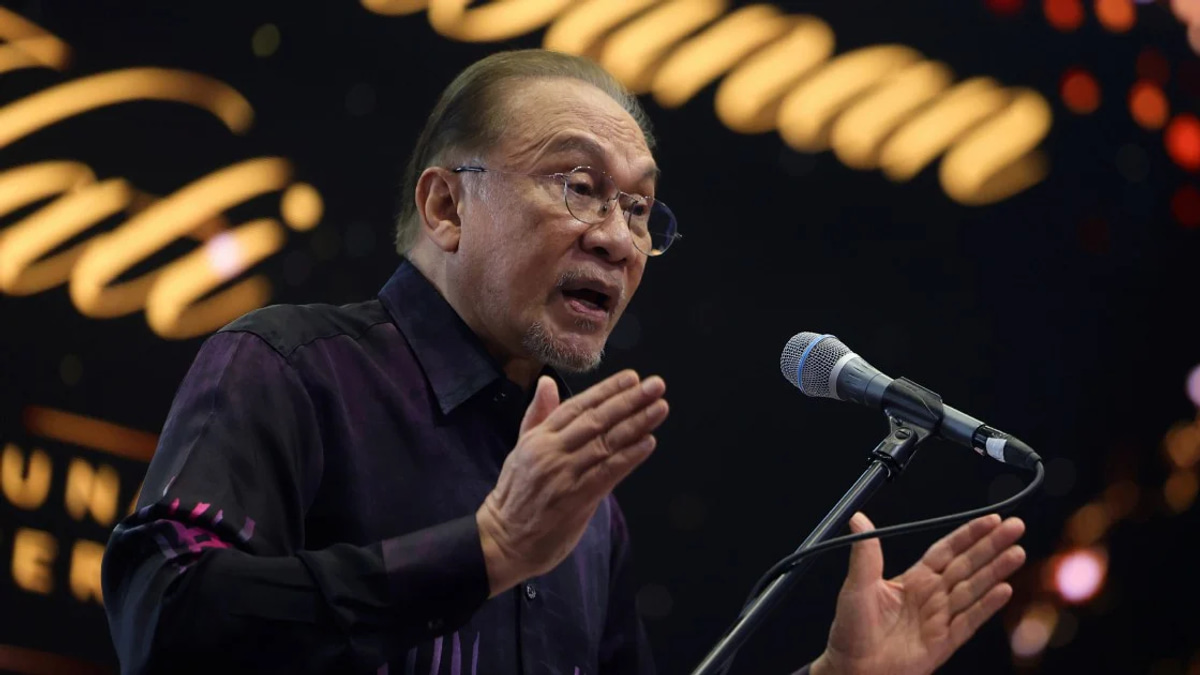
Prime Minister Anwar Ibrahim has outlined Malaysia's transformation towards a technology-driven economy centred on semiconductors, innovation and artificial intelligence, signalling a strategic departure from traditional sectors.
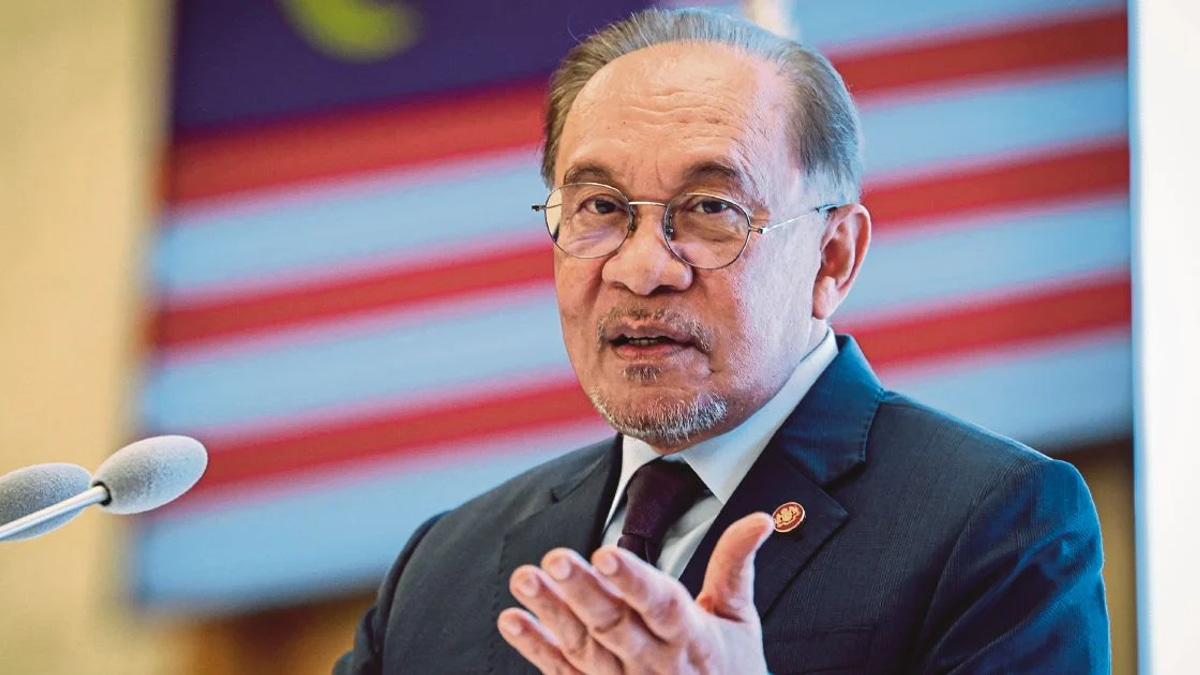
Prime Minister Datuk Seri Anwar Ibrahim says Turkmenistan's decision to grant Petronas a stake in a major gas field underscores global recognition of Malaysia's political stability, national unity, and economic capabilities.

Malaysia's government initiative to provide free 2026 FIFA World Cup broadcasts through RTM and Unifi TV is reducing financial pressure on food premises and households, Communications Minister Datuk Fahmi Fadzil said.
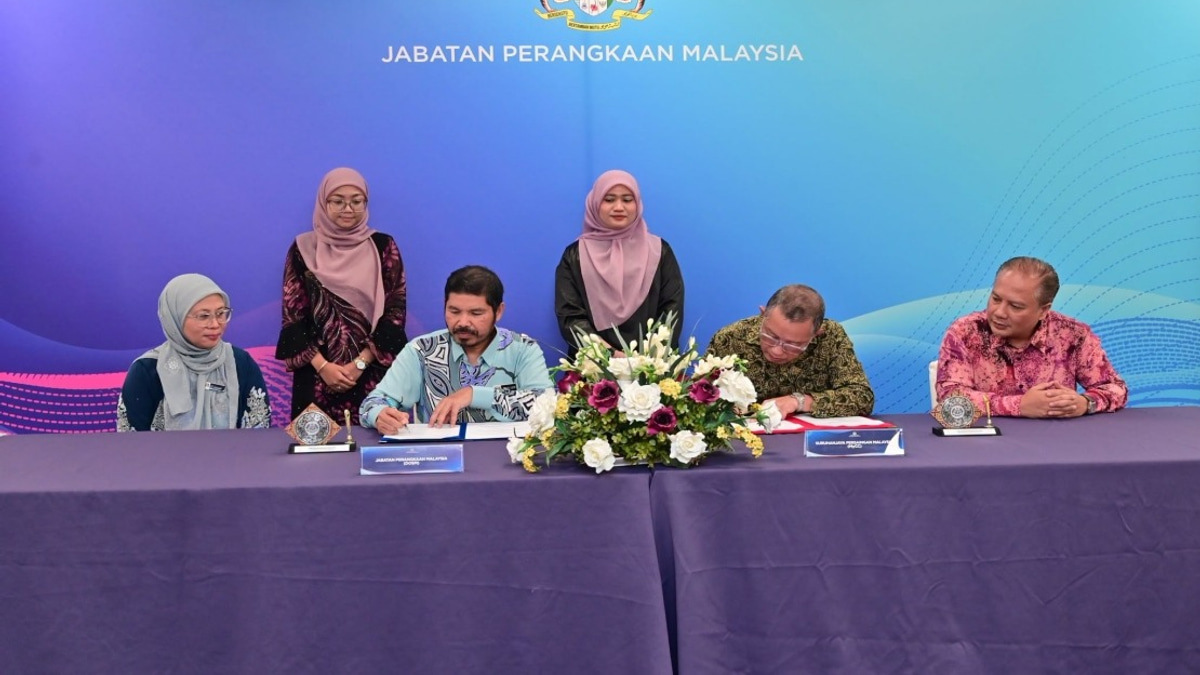
The Malaysia Competition Commission and Department of Statistics Malaysia have signed a memorandum of understanding to enhance data sharing, economic analysis, and capacity building initiatives aimed at strengthening competition enforcement and policy implementation across the economy.
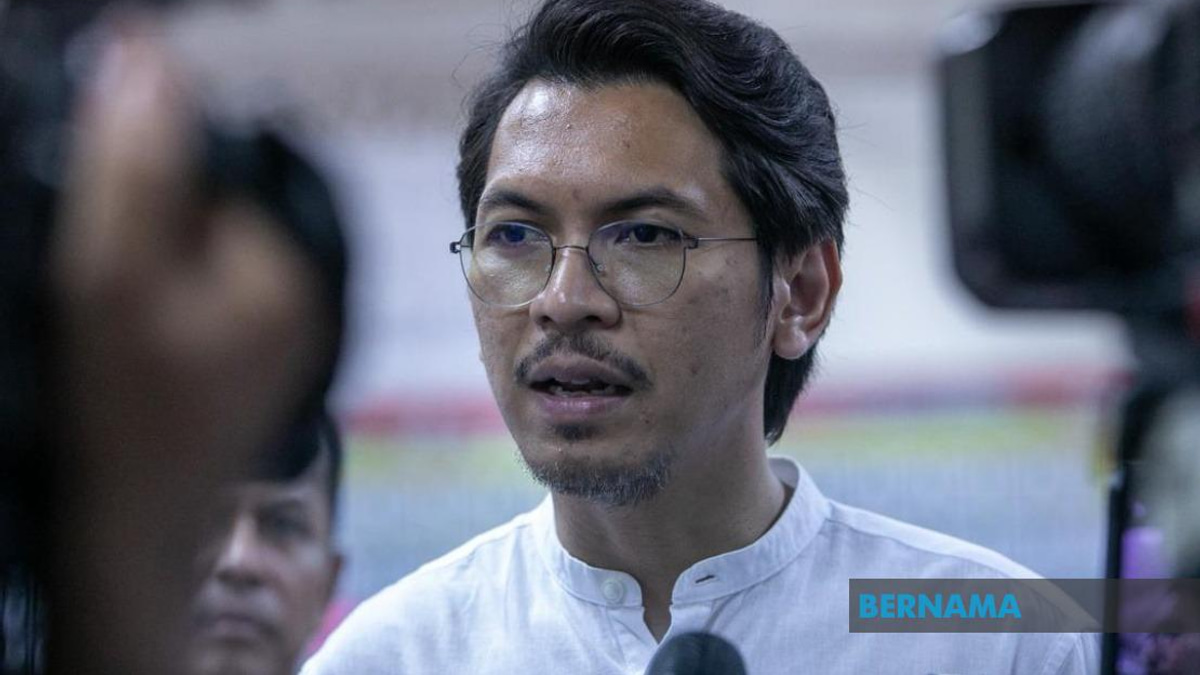
A potential peace agreement between the US and Iran could help stabilise global oil prices and reopen vital shipping routes, according to Malaysia's Political Secretary to the Finance Minister, though full recovery will require time.
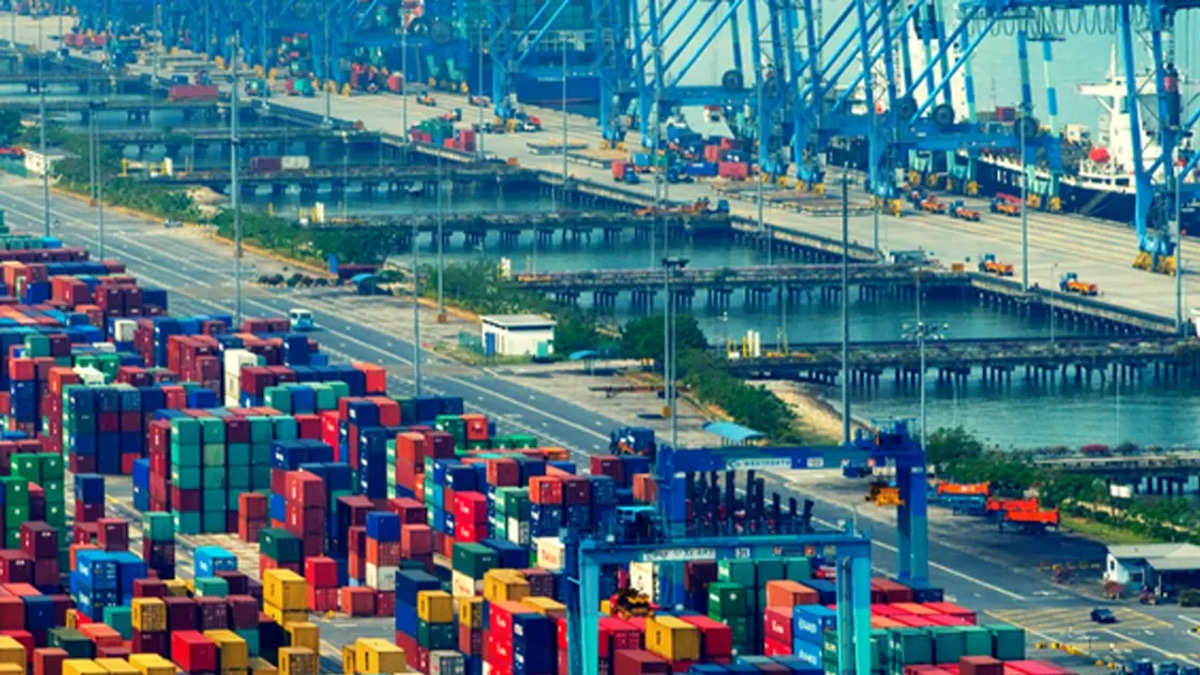
The Port Klang Free Zone has generated RM108 million in revenue while reaching 86% reactivation of its operations, reflecting steady recovery in Malaysia's key maritime logistics hub over the past 18 months.
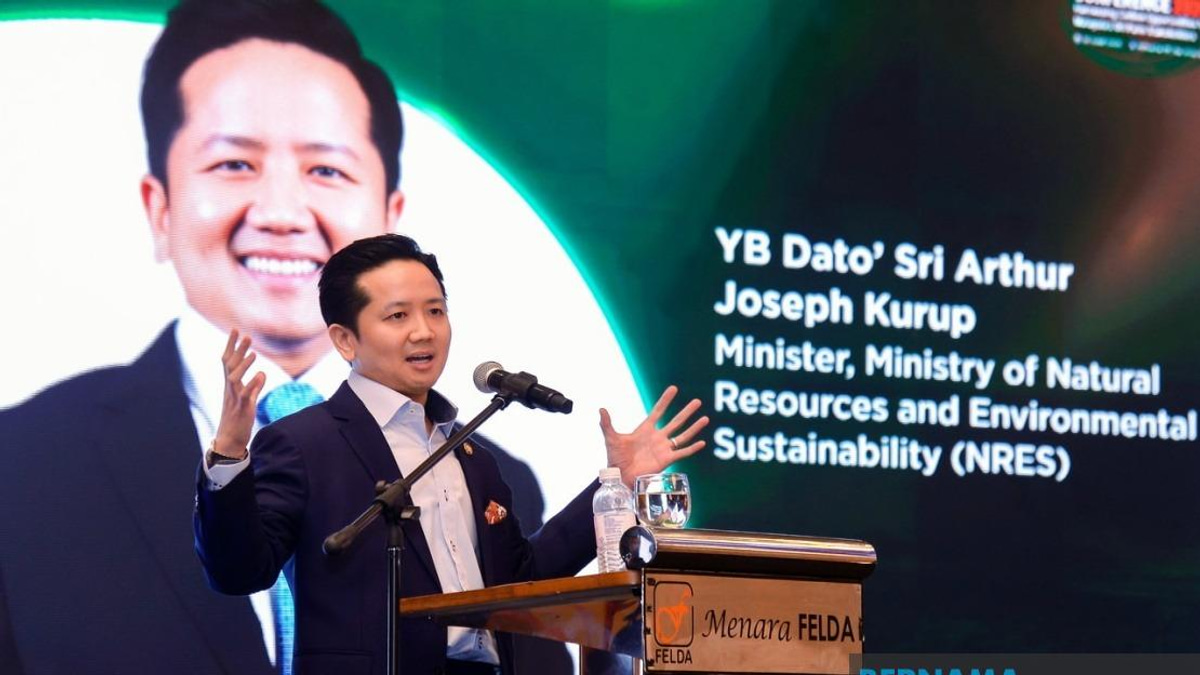
Malaysia's government is refining its carbon tax implementation strategy, with Natural Resources Minister Datuk Seri Arthur Joseph Kurup confirming the policy will proceed while remaining flexible on timing and scope.
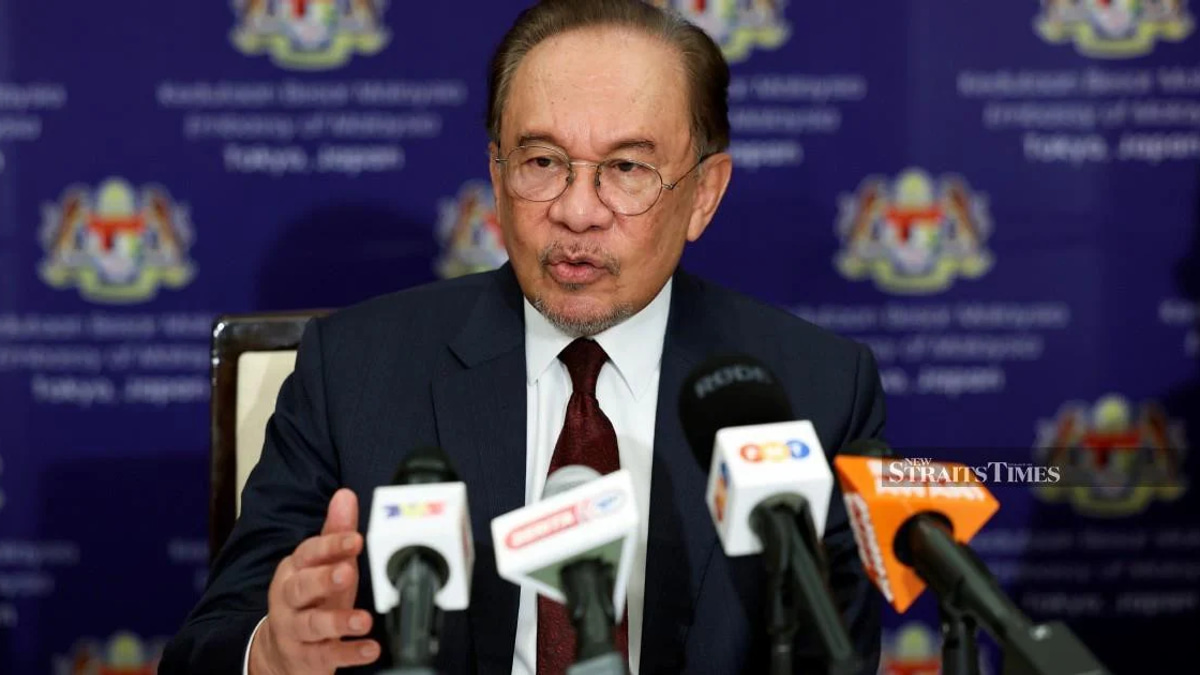
Malaysia's government-linked investment companies have increased their financial backing for Bumiputera-owned enterprises to RM2 billion in 2026, marking a 54% jump from RM1.3 billion the previous year.
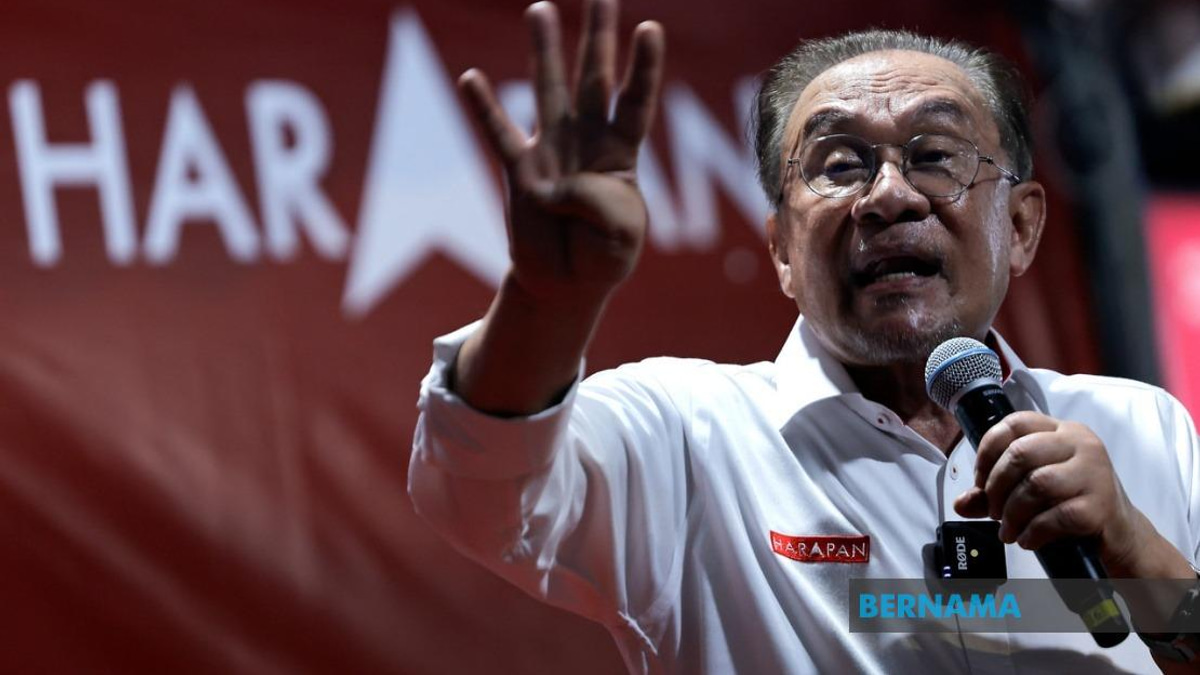
The Armed Forces Veterans Affairs Corporation and the National Entrepreneurship Institute have launched an intensive masterclass programme targeting 180 veteran entrepreneurs, combining practical business training with field-based monitoring to build competitive Bumiputera enterprises.
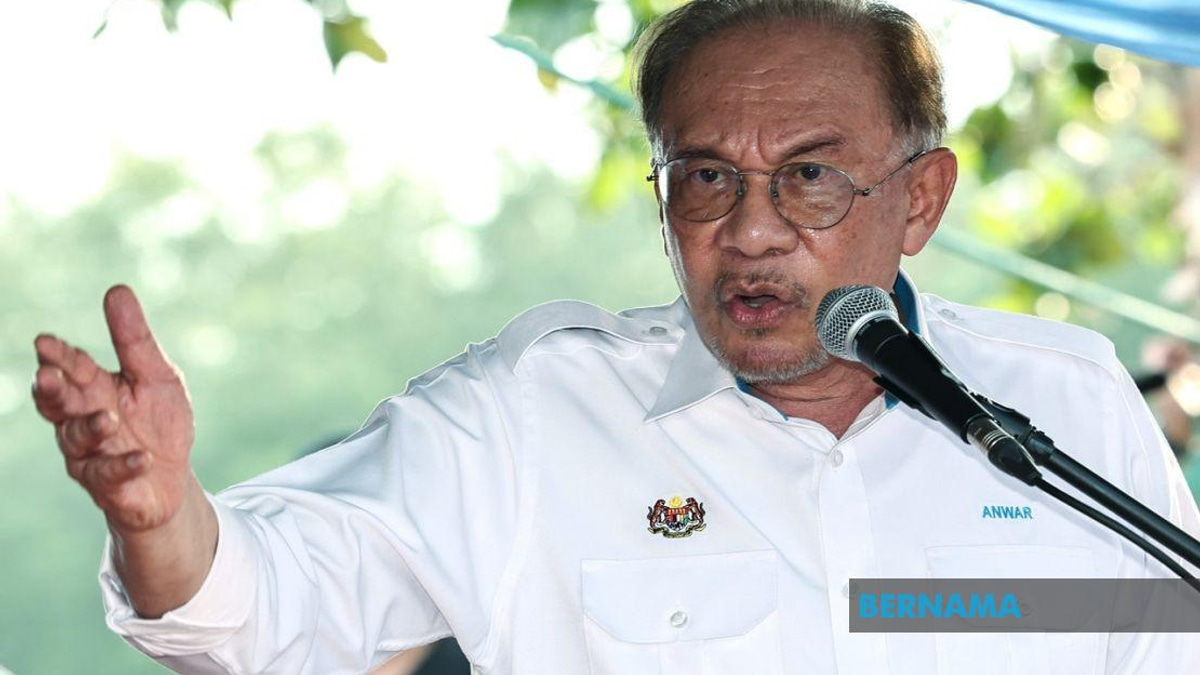
Prime Minister Datuk Seri Anwar Ibrahim has stressed that Malaysia's economic development must equitably benefit all sectors of society, particularly rural communities, rather than focusing solely on large-scale and high-tech initiatives.