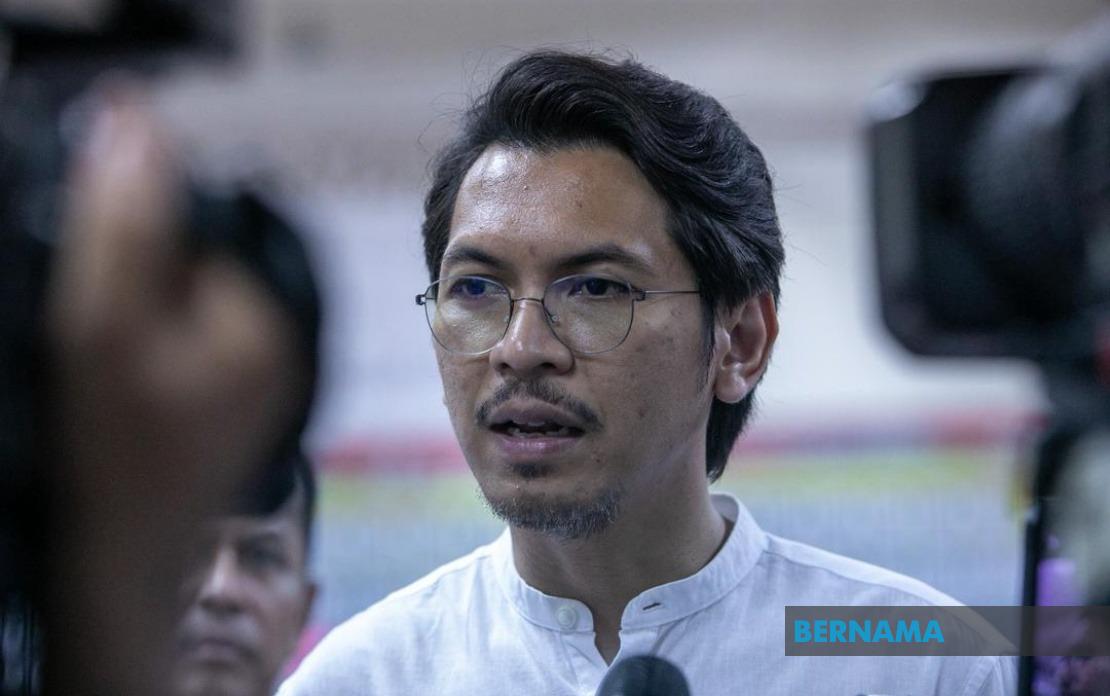
A memorandum of understanding between the United States and Iran holds promise for moderating international crude oil prices and easing supply chain disruptions, according to Muhammad Kamil Abdul Munim, Political Secretary to Malaysia's Minister of Finance. Speaking at a government ceremony in Kuala Kangsar, he cautioned however that whilst the accord represents a significant diplomatic breakthrough, the tangible benefits to Malaysian consumers and businesses will emerge gradually rather than immediately.
The potential peace settlement addresses months of escalating tensions in the Middle East, particularly around the Strait of Hormuz, one of the world's most critical maritime chokepoints through which approximately one-third of globally traded seaborne petroleum passes daily. Reopening this vital corridor to regular commercial traffic would immediately relieve the premium prices imposed by geopolitical risk and would restore predictability to energy supply routes that have been disrupted and rendered hazardous for merchant shipping and tanker operations.
Muhammad Kamil emphasised that achieving stable oil prices across global markets cannot occur overnight, as the immediate aftermath of any agreement must still contend with accumulated surcharges embedded throughout supply chains during the period of heightened tension. Insurance premiums for vessels transiting sensitive waters, logistical costs incurred from rerouting shipments through alternative maritime passages, and elevated transport expenses all contributed to higher delivered costs for crude oil reaching Asian and other regional markets. These overhead expenses will take considerable time to unwind even after diplomatic tensions ease.
Prime Minister Datuk Seri Anwar Ibrahim has expressed optimism regarding the negotiation trajectory, though he acknowledged that formal completion of the accord between Washington and Tehran remains conditional upon reaching a comprehensive final agreement within a 60-day window. The existence of a framework agreement signals genuine movement toward conflict resolution, yet the achievement of durable peace arrangements in this region historically requires extensive diplomatic work and verification mechanisms.
Malaysia's government has adopted a pragmatic stance regarding domestic energy costs while geopolitical uncertainties persist. The administration maintains subsidised pricing for RON95 petrol at RM1.99 per litre, a policy decision that shields ordinary Malaysians from the full impact of global oil market volatility, distinguishing the nation's approach from many comparable economies that have allowed retail fuel prices to fluctuate directly with international benchmarks. This commitment reflects recognition that fuel prices influence inflation pressures throughout the broader economy and affect household purchasing power across all income segments.
Government economic policymakers, operating through the Economic Action Council framework, are conducting ongoing assessments to determine appropriate intervention measures for the coming four to six months whilst international oil markets stabilise and the full implications of any US-Iran accord become evident. Muhammad Kamil indicated that the administration remains committed to preventing sharp cost increases from cascading into consumer prices for essential goods and services, particularly as normality returns to global energy markets.
The targeted petrol subsidy scheme known as BUDI MADANI RON95, which provides qualifying households with 200 litres of subsidised fuel monthly, is itself subject to periodic reassessment. Officials will evaluate programme parameters based on actual movements in international oil prices and broader macroeconomic conditions before determining whether to expand access, maintain current quotas, or adjust the initiative in response to changing circumstances. This flexible approach allows policymakers to calibrate assistance levels appropriately as market dynamics evolve.
Beyond immediate energy considerations, Malaysia's diplomatic engagement with Russia represents a deliberate strategy to diversify the nation's resource and energy partnerships. Prime Minister Anwar Ibrahim's official visit to Moscow signals governmental intent to explore expanded bilateral cooperation spanning trade, diplomatic alignment, and energy security arrangements. As a relatively small trading economy, Malaysia recognises the strategic imperative of cultivating relationships with major resource-producing nations and economic powers rather than concentrating dependency on any single geopolitical alignment.
Russia possesses substantial hydrocarbon reserves and significant economic capabilities that could complement Malaysia's development objectives and energy requirements. By strengthening channels of engagement and exploring mutually beneficial arrangements, the Malaysian government positions the nation to negotiate more favourable terms for resource procurement and to develop alternative partnerships that enhance economic resilience. This approach acknowledges that energy security fundamentally depends upon maintaining diversified supply sources and cooperative relationships with multiple international actors.
The convergence of the potential US-Iran peace accord with Malaysia's active diplomatic and economic repositioning reflects a broader regional recalibration occurring across Southeast Asia in response to evolving Middle Eastern dynamics and international energy markets. For Malaysian policymakers and businesses, the prospect of reduced geopolitical risk premiums in crude oil pricing carries immediate implications for manufacturing competitiveness, transportation logistics costs, and consumer price stability. Yet prudent planning requires acknowledging that even positive diplomatic developments translate into economic benefits only after intervening months during which adjustment processes work through global supply chains and market mechanisms.
The Malaysian government's multifaceted approach—combining domestic price interventions, targeted subsidy programmes, economic council monitoring, and strategic international partnership development—demonstrates sophisticated recognition that energy security and economic stability depend upon both managing immediate household impacts and positioning the nation advantageously within evolving global energy and diplomatic architectures. As the US-Iran negotiations progress toward their 60-day deadline, Malaysian officials and citizens alike will be monitoring whether the diplomatic momentum sustains and translates into the anticipated relief for global oil markets.

