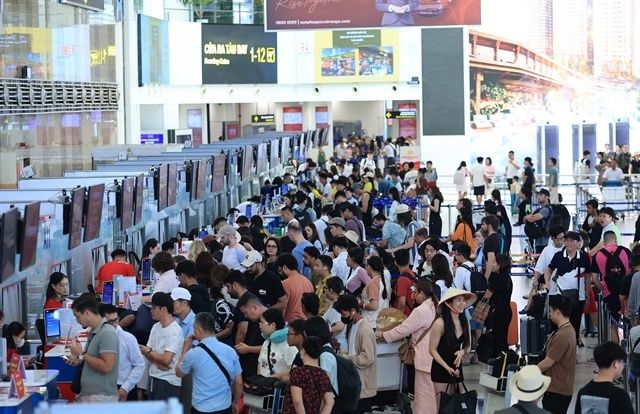
Vietnam has moved to strengthen passenger protection in civil aviation by introducing Government Decree No. 208, which establishes comprehensive compensation requirements for flight disruptions. The regulation, issued this week, will become enforceable from the start of next month and represents a significant expansion of consumer rights in the country's airline sector. The decree codifies obligations that carriers must follow when flights experience delays, cancellations, or rescheduling, marking a shift toward stricter accountability for airlines operating in Southeast Asia's second-largest aviation market.
Under the new Vietnamese framework, airlines face clear thresholds for what constitutes a delay requiring action. Any departure postponement exceeding 15 minutes beyond the scheduled time qualifies as a delay, while disruptions lasting four hours or more are classified as long delays. This 15-minute standard aligns broadly with international practice and provides passengers with a transparent benchmark for their rights. By establishing these precise definitions, the decree eliminates ambiguity that previously allowed carriers to claim minor delays fell outside compensation requirements, a common frustration in regional aviation.
Carriers operating in Vietnam must now proactively communicate with affected passengers whenever delays occur. Airlines are obliged to notify travellers promptly, issue formal apologies, and explain the reasons behind postponements. Beyond initial notification, airlines must continuously update passengers by providing revised departure times to airport operators and terminal service providers, ensuring this information appears on flight information displays at least every 30 minutes. This transparency requirement transforms passenger experience by keeping travellers informed throughout extended waits, reducing uncertainty and anxiety associated with flight disruptions.
Material support becomes mandatory when delays stretch beyond two hours. Airlines must provide drinking water or issue vouchers of equivalent monetary value to affected passengers. For overnight disruptions occurring between 10pm and 7am, carriers must arrange sleeping or resting accommodation appropriate to local conditions, or offer alternative solutions acceptable to passengers. Daytime delays between 7am and 10pm require airlines to arrange suitable rest facilities according to airport capabilities. These provisions acknowledge that extended delays impose genuine hardships on travellers, particularly those stranded during nighttime hours far from home.
The decree grants passengers substantial flexibility in addressing their travel needs when delays stem from airline responsibility. If carriers cause delays, airlines must waive all restrictions on itinerary changes or rebookings and eliminate any applicable surcharges. Passengers can request rebooking on alternative flights or rerouting to their final destinations without facing financial penalties. This protection prevents airlines from profiting through rebooking fees when operational failures create the need for schedule changes, addressing a longstanding grievance in global aviation where passengers bore costs for airline-caused disruptions.
Schedule changes—deliberate alterations to departure times for identified flight numbers—trigger separate compensation mechanisms. When carriers advance or delay scheduled departures by five hours or more, passengers gain the right to full ticket refunds or rebooking on alternative itineraries. Airlines must also offer rescheduled departures matching passenger preferences or alternative flights within 72 hours upon request. However, carriers retain discretion over schedule changes of four hours or less earlier, or 15 minutes or less later, allowing minor adjustments without triggering compensation obligations. This tiered approach balances passenger interests with operational flexibility for minor schedule variations.
Flight cancellations represent the most severe disruption addressed by the decree. The regulation defines a cancelled flight as one not operated under a flight number for which at least one confirmed passenger held a valid ticket. When cancellations occur, airlines must notify passengers immediately, apologize, and provide reasons for the cancellation. If the airline bears responsibility, carriers must rebook passengers on suitable alternative itineraries or flights reaching final destinations, while waiving restrictions and surcharges. Alternatively, airlines may refund full fares or unused ticket portions, giving passengers genuine choice in how disruptions are resolved.
The Vietnamese government has delegated detailed implementation authority to the Minister of Construction, who will prescribe non-refundable advance compensation amounts, payment timelines, and carrier reporting obligations. This administrative structure allows flexibility in compensation levels as the decree matures, potentially enabling adjustments based on operational experience and economic conditions. The delegation also creates accountability mechanisms requiring airlines to publish information and report disruptions systematically, building transparency into the aviation system.
For Malaysian and Southeast Asian travellers, Vietnam's decree represents a regional trend toward strengthening passenger protections that had previously lagged international standards. The regulation exceeds requirements in some neighbouring jurisdictions, potentially establishing benchmarks influencing policy discussions elsewhere in the region. Vietnamese carriers operating international routes, including services to Malaysia, will need to comply with these standards, potentially improving service standards across the region as competition pressures other airlines to match protections. The decree also creates compliance challenges for foreign airlines serving Vietnam, particularly regarding accommodation provisions and compensation administration, reflecting implementation complexities common across developing aviation markets.
The regulation's effectiveness will ultimately depend on enforcement mechanisms and passenger awareness. Clear communication of passenger rights and accessible complaint procedures will determine whether the decree achieves its protective intent or remains largely symbolic. Airlines must invest in systems to track delays, manage rebookings, and process refunds efficiently, transforming operational procedures. The Vietnamese aviation sector's response to these requirements will offer lessons for other Southeast Asian nations considering similar passenger protection frameworks, particularly as the region experiences rapid air travel growth and increasing consumer expectations for service standards.